
🎯 Core Theme & Purpose
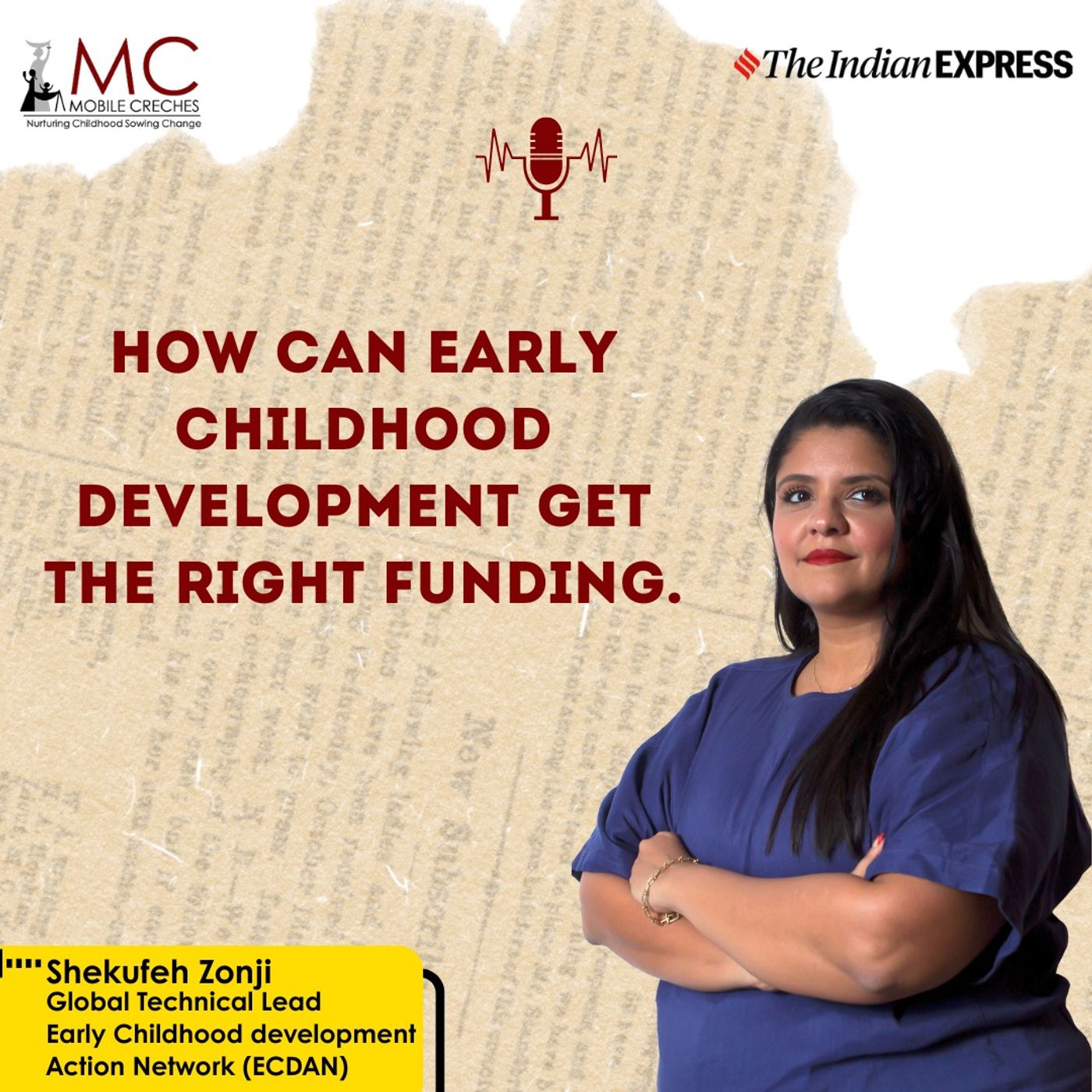
This episode of Express Podcast focuses on the critical need for sustainable and adequate financing for Early Childhood Development (ECD). It highlights how consistent investment in ECD can yield significant social and economic returns, impacting long-term health, learning, and productivity. The discussion is particularly beneficial for policymakers, development professionals, and anyone interested in understanding the financial challenges and strategic solutions for prioritizing early years investment.
📋 Detailed Content Breakdown
• The Underfunding Challenge: Despite government recognition of children as the future, ECD budget allocations as a share of GDP or national budgets remain persistently low. This points to a gap between rhetoric and financial commitment, suggesting a deeper issue than simply finding more money.
• Financing ECD: A Systemic Problem: Financing is described as “breaking down at every single link in the system.” Countries have strong policies but lack funding, or have budget lines that exist but aren’t properly executed. Early childhood spending is often scattered across ministries, making it difficult to track or prioritize effectively.
• The Cost of Inaction vs. Investment: The economic arguments for ECD are overwhelming, with the cost of inaction being 8-19 times the cost of investing. For example, in Burundi, every dollar invested in ECD yields an $18 return by 2050. This demonstrates the high social and economic return on investment.
• The “Every one’s Priority, Nobody’s Budget” Dilemma: A key challenge is that ECD, falling under multiple ministries (health, education, social protection), becomes everyone’s responsibility and thus, often, no one’s. This fragmentation prevents dedicated budget lines and accountability, unlike primary education which often has a legal mandate and dedicated funding.
• Designing Financing for Equity: Beyond just expanding coverage, financing decisions should be designed to drive equity. This means recognizing ECD as infrastructure and a workforce development issue, not just a social program. Innovative financing instruments like social impact bonds and ESG investments are being explored.
• India’s ECD Landscape: India has a large young population and existing infrastructure like ICDS. However, public investment in pre-primary education is relatively modest compared to other countries. Opportunities lie in leveraging existing structures, promoting state-level innovation due to its federal structure, and reframing ECD as economic infrastructure crucial for women’s labor force participation.
💡 Key Insights & Memorable Moments
• “Every one’s priority, nobody’s budget”: This quote succinctly captures the core problem of fragmented responsibility in ECD financing. • ECD as Economic Infrastructure: A powerful reframing, moving ECD from a social program to a fundamental economic investment, critical for human capital formation and workforce development. • Burundi’s $1 yields $18: A striking statistic highlighting the immense economic returns of investing in early childhood. • The disconnect between policy and funding: While many countries have recognized ECD’s importance through policy, the actual financial commitment and systematic funding mechanisms are often lacking.
🎯 Way Forward
- Establish Dedicated and Sustainable Revenue Streams: Move beyond annual budget allocations by exploring dedicated funding mechanisms like tobacco settlements, lottery funds, or a percentage of specific tax revenues to ensure consistent ECD financing. This matters for long-term planning and program stability.
- Integrate ECD Financing into Broader Economic Frameworks: Frame ECD investments not just as social spending, but as critical economic infrastructure that supports workforce development, particularly for women’s labor force participation. This appeals to a wider range of stakeholders and funding sources.
- Strengthen Cross-Sectoral Collaboration and Data Systems: Develop integrated data systems that track ECD spending across all relevant ministries and provide clear costing for service delivery. This is essential for effective budgeting, accountability, and evidence-based policy.
- Leverage and Scale State-Level Innovations: Encourage and learn from pilot programs and innovations happening at the sub-national (state or provincial) level, especially in federal systems like India, to create scalable and contextually relevant financing models. This allows for adaptability and practical learning.
- Develop and Promote “Financing Toolkits”: Create practical toolkits for governments and partners that guide them through costing services, identifying revenue gaps, and matching financing instruments to ECD needs, thereby moving from talking points to concrete action.