
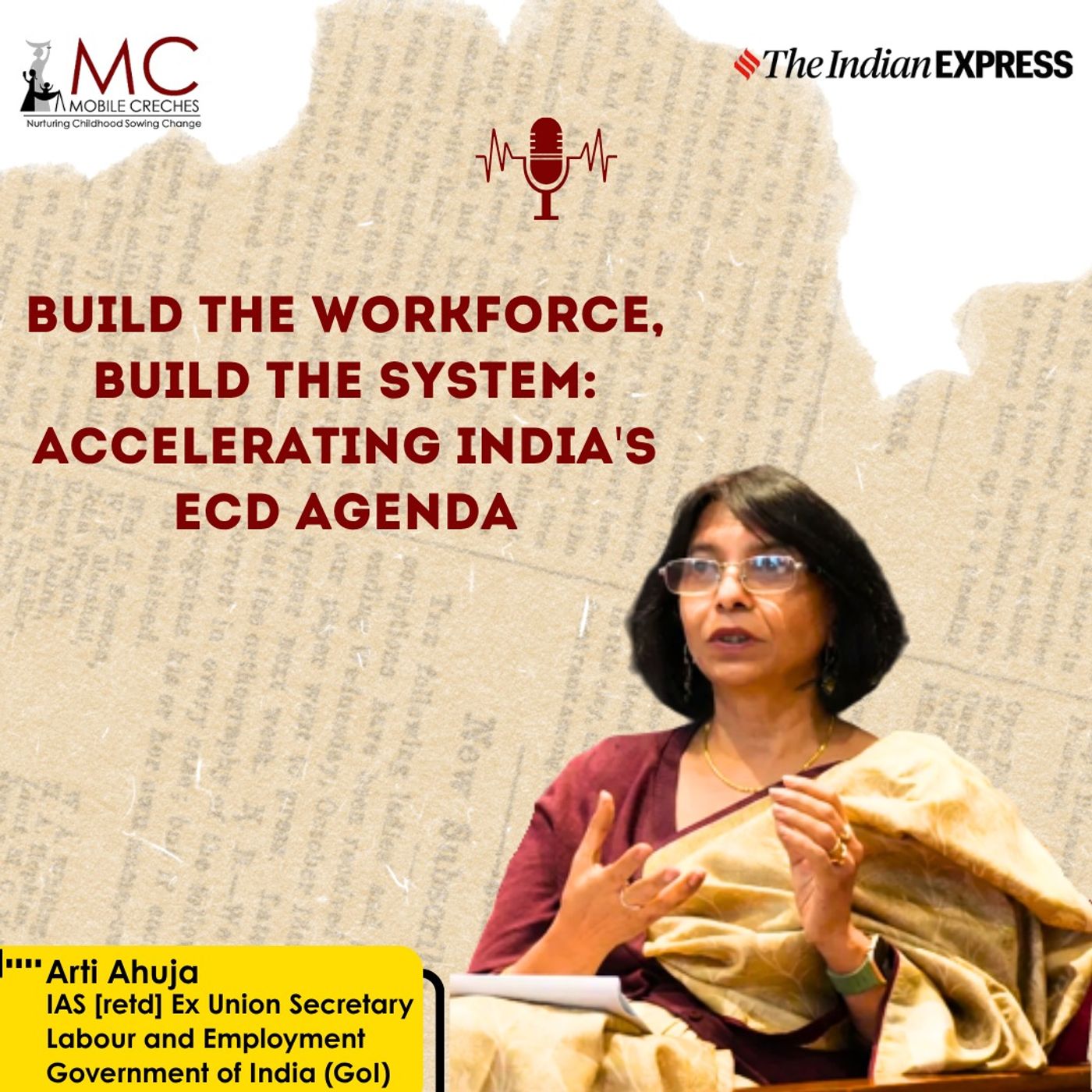
🎯 Core Theme & Purpose
This podcast episode delves into the critical role of quality childcare as an economic and social infrastructure, vital for enabling women’s participation in the workforce. It argues that investing in childcare is not a welfare issue but a fundamental economic imperative for national growth. The discussion is particularly relevant for policymakers, business leaders, and individuals concerned with gender equality and economic development.
📋 Detailed Content Breakdown
• Childcare as an Economic Imperative: The episode stresses that quality childcare is one of the most important investments a society can make for its future, crucial for cognitive, emotional, social, and physical development in early years. Consistent care during this period lays the foundation for lifelong learning and well-being.
• Impact on Women’s Workforce Participation: For working parents, especially those with young children, access to safe, affordable, and reliable childcare reduces stress, improves work-life balance, and allows for greater participation in the workforce. This is framed as a key enabler of women’s economic empowerment.
• Childcare as a “Care Economy” Component: Childcare is identified as a crucial component of the care economy, essential for fostering women’s participation in the workforce. The economic benefits are highlighted, with studies suggesting that closing the gender gap in employment could significantly boost GDP.
• The “Bazaar” of Childcare and its Informal Structure: The episode points out the existence of an informal childcare economy, often informal workers caring for children while mothers work. This informal sector highlights a societal need but lacks formal recognition, standards, and adequate compensation for caregivers.
• The Need for a Societal Shift in Perspective: A significant portion of the discussion focuses on reframing childcare from a welfare or charity issue to an economic infrastructure need. This requires collaboration between the ‘samaj’ (society), ‘sarkar’ (government), and ‘bazaar’ (market) to create a robust ecosystem.
• International Models and Best Practices: The episode references models from Nordic countries, Germany, Japan, and Singapore, where government support, apprenticeship programs, and national training standards for childcare professionals are implemented. These examples illustrate how to elevate childcare to a skilled profession.
💡 Key Insights & Memorable Moments
• “Quality child care is not just about welfare; it’s about economic infrastructure.” - Arati Ahuja. This highlights the core argument of the episode, shifting the perspective from a social service to a critical economic enabler. • The statistic that closing the gender gap in employment could raise a country’s GDP by 27% underscores the immense economic potential unlocked by effective childcare solutions. • The episode uses the analogy of the “bazaar” to describe the existing informal childcare economy, emphasizing the need to formalize and professionalize these services. • The discussion on the “U-shaped curve” of women’s workforce participation based on income levels suggests a nuanced approach is needed, as women’s participation often declines in middle-income stages before potentially rising again.
🎯 Way Forward
- Formalize and Professionalize Informal Caregivers: Recognize and certify individuals currently operating in the informal childcare “bazaar,” providing them with training and establishing quality standards to ensure better care and fair compensation. This matters for improving care quality and creating formal employment opportunities.
- Integrate Childcare into National Economic Policy: Frame childcare not as a social welfare program but as a critical component of economic infrastructure, akin to roads or power grids, in national development plans. This ensures dedicated funding and strategic long-term planning.
- Promote Public-Private Partnerships (PPPs) for Childcare: Leverage successful PPP models from other sectors and countries to create scalable, sustainable, and high-quality childcare solutions, encouraging innovation and efficiency. This matters for broader reach and improved service delivery.
- Incentivize Employers to Support Childcare: Encourage businesses to invest in on-site or subsidized childcare facilities and flexible work arrangements, recognizing the business benefits of a supported workforce, as seen in industries like electronics and automotive manufacturing. This matters for direct employer support and increased female workforce participation.
- Shift Societal Mindset to Value Care Work: Promote a cultural understanding that childcare is essential for societal progress and economic growth, not solely the responsibility of women or families. This matters for creating a supportive environment that encourages broader participation and investment in quality care.