
🎯 Core Theme & Purpose
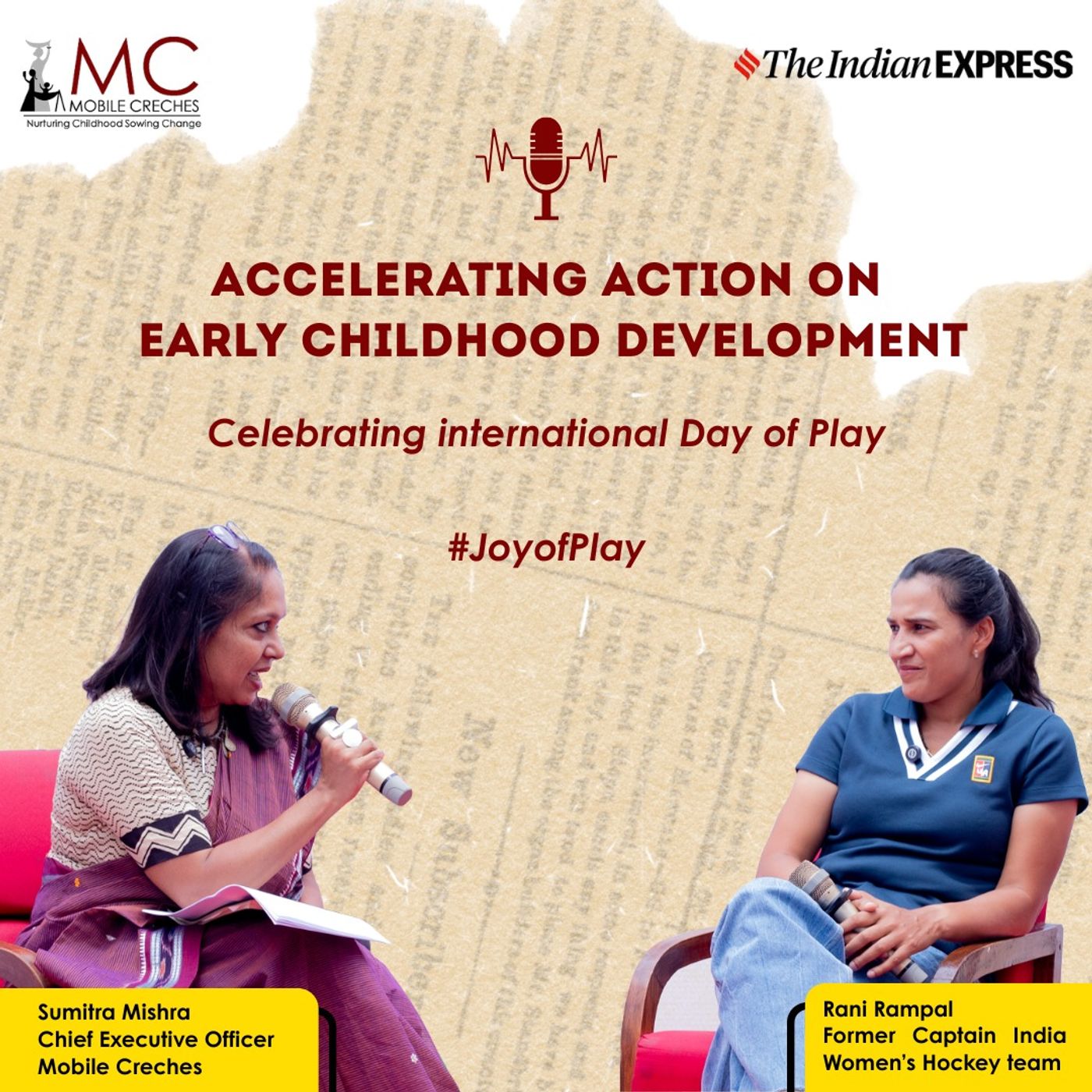
This episode of the “Express Podcasts” series, in association with Mobile Crèches, delves into the critical importance of early childhood development (ECD) and play-based learning. It highlights the unique challenges and opportunities in providing quality ECD for children from migrant and construction worker families. The discussion is essential for policymakers, educators, social workers, and anyone concerned with equitable child development in India.
📋 Detailed Content Breakdown
• The Scale of Early Childhood in India: India has over 158 million children under the age of six, all with a fundamental right to holistic development. This underscores the immense responsibility and the need for robust ECD programs. • The Foundation of Early Childhood Development: ECD is crucial for building strong foundations in learning, communication, and social skills. It also supports healthy brain growth and emotional well-being, setting children up for future success. • Mobile Crèches’ Mission: For over five decades, Mobile Crèches has been dedicated to ensuring children of migrant and construction workers receive quality care, nutrition, and early learning opportunities vital for their thriving. This long-standing commitment addresses a critical gap in ECD provision for vulnerable populations. • The Impact of Play-Based Learning: The episode emphasizes that play is not just recreation but a powerful teaching tool. It fosters crucial life skills like resilience, discipline, teamwork, and decision-making, far beyond what traditional academic learning can offer. • Challenges and Support for Marginalized Children: The discussion highlights the difficult circumstances of children whose parents are daily wage laborers or construction workers, often leaving them in mobile crèches daily. The quality of care and early learning provided by institutions like Mobile Crèches plays a transformative role in their lives, offering stability and opportunity. • The Role of the ‘Village’ in Child Rearing: Beyond parents, a supportive ecosystem involving anganwadi workers, crèche staff, community members, and policymakers is vital. Providing adequate training and support to these caregivers is crucial for ensuring children’s holistic development.
💡 Key Insights & Memorable Moments
• Play as a Foundational Skill: “I feel the most important thing sports teaches you is that you can’t give up in life.” - Rani Rampal. This quote encapsulates how sports instill resilience and a never-give-up attitude, lessons crucial for navigating life’s challenges. • The Transformative Power of Early Intervention: The insights from Rani Rampal regarding her childhood hardships and Sumitra Mishra’s description of the nurturing environment at Mobile Crèches highlight the stark contrast and the profound impact of early childhood interventions on a child’s trajectory. • Beyond Academics: Developing the Whole Child: The emphasis on sports and play as vehicles for teaching discipline, teamwork, emotional regulation, and decision-making demonstrates a holistic approach to development that transcends rote learning. • Empowering Mothers Through Childcare: Providing safe and stimulating environments for children allows mothers, especially those in precarious employment, to focus on their work with peace of mind, knowing their children are cared for and developing. This has a ripple effect on family well-being. • The Need for Systemic Support: The call for better infrastructure, trained caregivers, and integrating play into formal education underscores the systemic changes required to prioritize ECD.
🎯 Way Forward
- Policy Integration of Play-Based Learning: Governments should mandate and fund the integration of play-based learning methodologies across all early childhood education curricula, ensuring it’s not an optional add-on but a core component. This matters because it recognizes play’s fundamental role in cognitive and socio-emotional development.
- Enhanced Support and Training for ECCE Providers: Invest in comprehensive training and certification programs for Anganwadi workers and crèche staff, focusing on ECD best practices, child psychology, and play-based pedagogy. This matters to ensure the quality of care and education provided to the most vulnerable children.
- Creation of Safe Play Spaces: Urban and rural planning must prioritize the creation of accessible, safe, and stimulating play spaces, including parks and community centers, for all children, especially in underserved areas. This matters for physical health, social interaction, and cognitive stimulation.
- Cross-Sectoral Collaboration for ECD: Foster stronger partnerships between government bodies, NGOs like Mobile Crèches, educational institutions, and the private sector to create a robust ecosystem supporting early childhood development. This matters because collective action amplifies impact and ensures comprehensive care.
- Public Awareness Campaigns on ECD’s Importance: Launch widespread public awareness campaigns highlighting the long-term benefits of ECD and play-based learning for individual children and national development. This matters to shift societal perception and secure greater investment and support for early years.