
🎯 Core Theme & Purpose
This episode delves into India’s energy security concerns, particularly its reliance on imports and the geopolitical factors affecting supply chains. It examines the ramifications of the West Asia conflict on India’s LPG and oil imports, alongside domestic political developments like the upcoming West Bengal assembly elections and China’s border infrastructure advancements. The discussion is beneficial for policymakers, energy sector professionals, and citizens concerned about economic stability and national security.
📋 Detailed Content Breakdown
-
Energy Security and the Strait of Hormuz Conflict: The escalating conflict in West Asia has created a “pressure point” for Indian households, impacting the critical Strait of Hormuz, a key chokepoint for oil and gas movement. India’s significant import dependence, especially for LPG, is directly threatened by disruptions in this region.
-
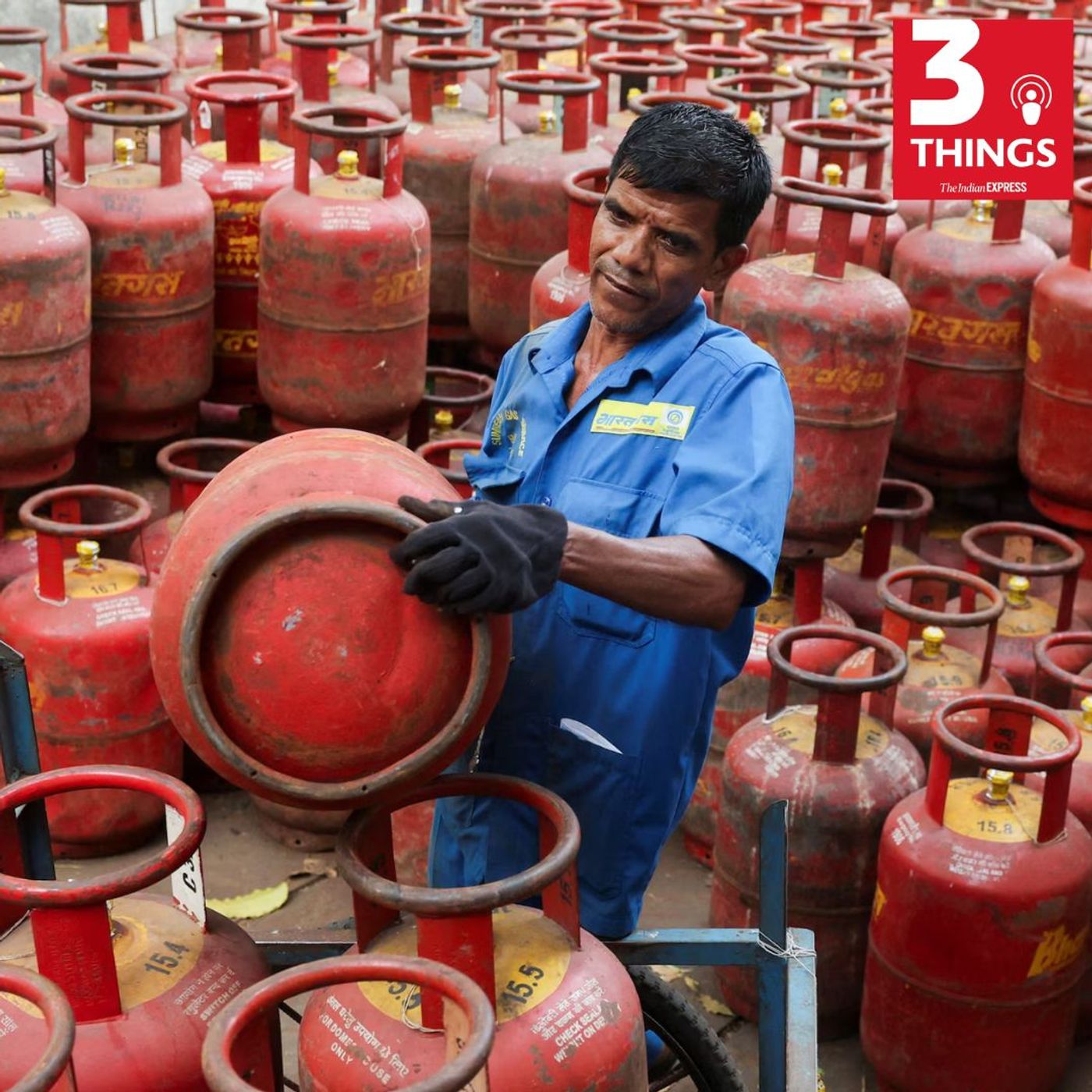
LPG Import Vulnerability: Approximately 40% of India’s crude oil imports and a substantial portion of its natural gas pass through the Strait of Hormuz. For LPG specifically, a staggering 90% of imports are at risk if the strait is significantly disrupted, highlighting a critical vulnerability in domestic energy supply.
-
Domestic Measures for LPG Shortage: In response to potential shortages, the Indian government is encouraging consumers to book LPG cylinders only when needed and to switch to piped natural gas (PNG) where available. Diversion of commercial LPG supplies and maximizing domestic refinery production are also key strategies.
-
China’s Border Infrastructure: China has constructed hundreds of “well-off villages” along India’s northern frontier, close to the Line of Actual Control (LAC). These settlements, often featuring large, robust buildings, are strategically located, with some dating back to 2019 and many now occupied, raising concerns about their dual-use civil and military potential.
-
West Bengal Election Scheduling: The Election Commission of India has announced the poll schedule for five upcoming assembly elections, including West Bengal. Notably, West Bengal, which had an eight-phase election in 2021, will now vote in just two phases this time, amidst a charged political environment.
-
Government’s Response to Hoarding and Black Marketing: To combat hoarding and black marketing of LPG, authorities are conducting intensified raids and inspections, with significant enforcement actions reported in states like Uttar Pradesh. Alternative fuel options are also being temporarily permitted for commercial sectors to ease the pressure on LPG supply.
💡 Key Insights & Memorable Moments
- The “90% LPG Import Risk”: The statistic that 90% of India’s LPG imports are vulnerable due to potential disruptions in the Strait of Hormuz is a stark indicator of the country’s precarious energy security situation.
- Dual-Use Border Villages: The construction of Chinese “well-off villages” near the LAC, potentially serving dual civil and military purposes, represents a significant strategic concern for India’s border security.
- Election Tally Reduction: The drastic reduction in the number of phases for the West Bengal assembly elections from eight in 2021 to just two this year is a notable shift in electoral logistics.
- “Vibrant Villages” Initiative: India’s “Vibrant Villages Programme” aims to develop border villages into modern tourist attractions, potentially counteracting China’s infrastructure buildup and encouraging local retention against migration.
🎯 Way Forward
- Diversify Energy Import Sources: India must aggressively pursue diversification of its energy import sources beyond the Strait of Hormuz to mitigate geopolitical risks and ensure stable supply. This includes exploring new trade routes and strengthening ties with alternative energy-producing nations.
- Accelerate Domestic Renewable Energy Transition: A robust transition to domestic renewable energy sources is crucial to reduce long-term reliance on volatile imported fossil fuels and enhance energy independence.
- Enhance Border Infrastructure and Surveillance: India should continue to strengthen its own border infrastructure and surveillance capabilities in regions facing similar strategic advancements by neighboring countries to maintain territorial integrity and respond effectively to security challenges.
- Ensure Fair Distribution and Prevent Black Marketing: Strict enforcement against hoarding and black marketing of essential commodities like LPG is vital to protect consumers from price gouging and ensure equitable access, especially during times of supply constraint.
- Strengthen Diplomatic Engagements: Continuous and proactive diplomatic engagement with key global players and regional neighbors is essential to de-escalate tensions in critical trade zones and secure reliable energy supply lines.