
🎯 Core Theme & Purpose
This episode delves into the cascading impacts of the Iran-US conflict on India’s economy, particularly its food and hospitality sectors. It highlights the unprecedented legal developments in India regarding end-of-life care with the Supreme Court’s first order approving passive euthanasia. The discussion also touches upon the establishment of a new oil refinery in the US with an unexpected Indian connection. This episode is crucial for policymakers, business owners in the food and energy sectors, and individuals interested in India’s legal and economic landscape.
📋 Detailed Content Breakdown
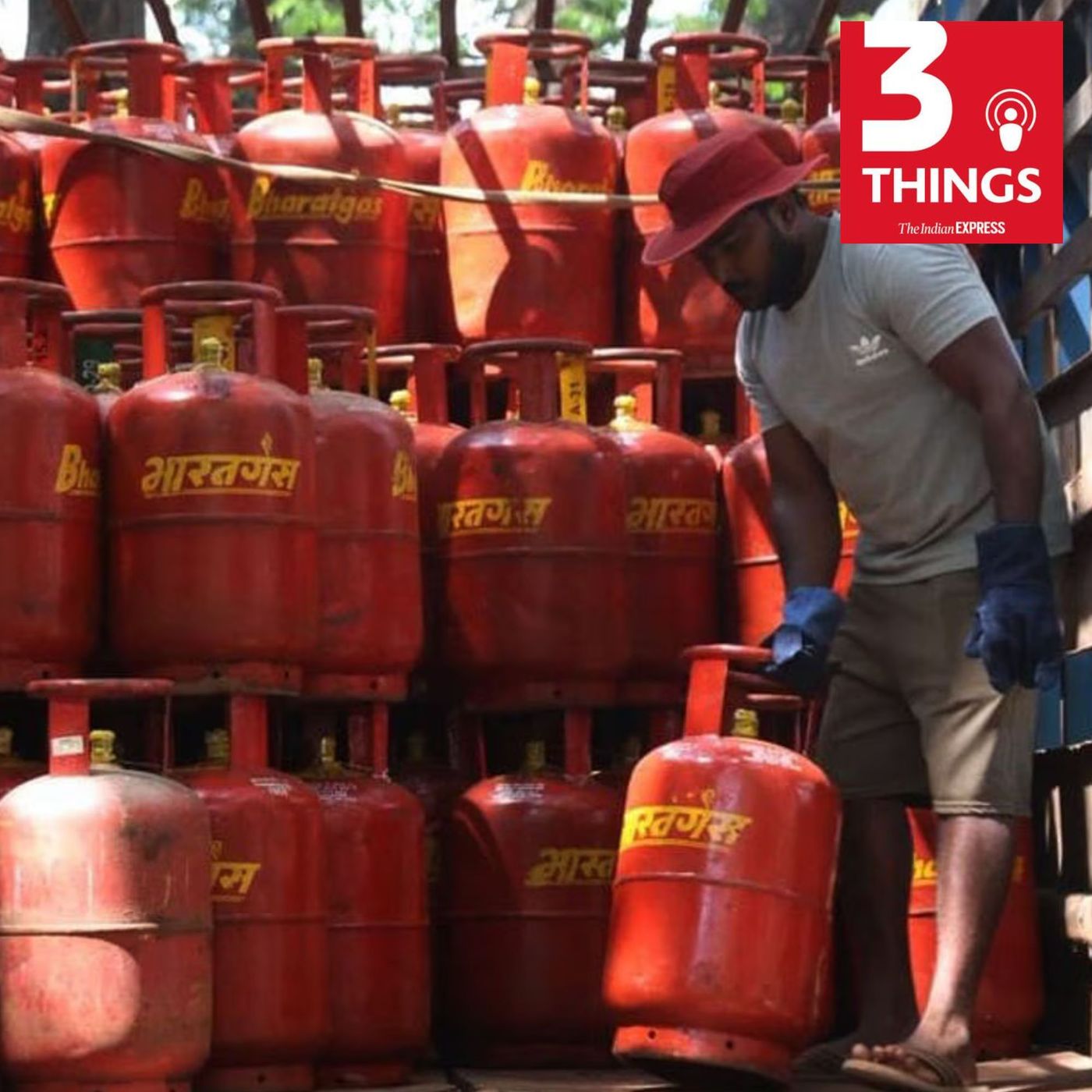
• Impact of Middle East Conflict on Indian Businesses: The conflict in West Asia has led to a halt in crude oil supplies due to disruptions in the Strait of Hormuz. This has caused a sharp drop in LPG supplies, as 80% of India’s LPG imports pass through this crucial waterway. Restaurants and eateries across India are being forced to scale back operations, with industry leaders warning of potential closures if prices continue to rise.
• India’s First Passive Euthanasia Case: The Supreme Court has approved the withdrawal of life-sustaining treatment for 32-year-old Harish Rana, who has been in a vegetative state since 2013. This marks India’s first court order allowing passive euthanasia, establishing a legal framework for end-of-life decisions under specific guidelines. The ruling acknowledges the complexities of end-of-life care and the role of family in decision-making when patients cannot communicate their wishes.
• Challenges for the Food Industry: The LPG crisis has forced restaurants to adapt by reducing or eliminating fried items from their menus and focusing on rice-based dishes that consume less fuel. Many establishments are also shifting towards electric appliances like induction stoves, although this presents its own set of challenges due to the initial design of kitchens for gas-based cooking. The cost of these electric appliances has also increased, further straining businesses.
• State Government and Federal Responses: While the central government has assured sufficient LPG stock, state governments are reportedly writing letters to the union government for immediate intervention to provide adequate cylinders. In Bangalore, the midday meal scheme and government-aided schools are less impacted as they rely on alternative cooking methods like briquettes. However, the catering business, which handles events and weddings, has been hit hard due to the inability to procure LPG cylinders.
• New US Oil Refinery and Indian Investment: The US has announced a new oil refinery in Brownsville, Texas, a significant development expected to boost domestic refining capacity. Notably, Reliance Industries, a major Indian energy conglomerate, has been acknowledged by former President Donald Trump for its substantial investment in this project. This refinery is projected to process 300,000 barrels of crude oil daily and will be export-oriented, strengthening energy security and production in the US.
• Broader Economic Repercussions: Beyond the food and energy sectors, the conflict’s impact is felt across various industries. Flight cancellations due to airspace restrictions have affected international travel, impacting tourism and business. Similarly, the demand for taxis and hotel bookings, especially for premium segments, has seen a decline in cities like Bangalore due to reduced inbound travel.
💡 Key Insights & Memorable Moments
• “Passive euthanasia… is essentially a procedure for patients who know that they are unlikely to get better or their quality of life is not going to be good.”: This definition by Anona Dass clarifies the core of the Supreme Court’s ruling on passive euthanasia, distinguishing it from active euthanasia. • The dependence of Indian restaurants on LPG: The crisis exposed the deep reliance of the Indian food industry on a single fuel source, leading to significant operational disruptions. • The significant investment by Reliance Industries in the US refinery: This highlights the global reach and strategic investments of Indian companies in critical infrastructure, even outside their home country. • “The conflict has shown how dependent the US remains on foreign refining capacity despite producing large volumes of shale oil.”: This statement underscores the strategic importance of domestic refining capabilities for energy security. • The ethical and emotional toll on families: The discussion around passive euthanasia brings to light the profound emotional and psychological burden on families making end-of-life decisions for loved ones.
🎯 Way Forward
- Diversify energy sources for the food industry: Restaurants and eateries should proactively explore and invest in alternative energy solutions like electric or induction cooking to mitigate future risks associated with LPG supply chain disruptions. This matters for business continuity and resilience.
- Develop robust advance directives and living wills: Individuals should be encouraged and educated about creating living wills to clearly articulate their end-of-life care preferences, ensuring their autonomy is respected even if they lose the capacity to communicate. This empowers individuals and eases decision-making burdens on families.
- Strengthen domestic refining capabilities: The US refinery announcement signifies a move towards reducing reliance on foreign refined products. India should also consider strategic investments in expanding its own refining capacity to bolster energy independence and buffer against global supply chain volatility.
- Establish comprehensive support systems for end-of-life decisions: Healthcare institutions should develop well-defined protocols and readily accessible counseling services for families navigating passive euthanasia decisions, providing emotional and legal guidance to ensure informed and compassionate choices. This addresses the human element amidst complex legal and medical procedures.
- Promote public awareness on passive euthanasia laws: Greater public discourse and education are needed to demystify passive euthanasia and advance directives, reducing stigma and enabling more informed discussions around end-of-life care in India. This fosters societal understanding and acceptance of these critical legal frameworks.