
🎯 Core Theme & Purpose
This episode delves into critical issues within India’s electoral and legal systems, highlighting a controversial large-scale deletion of voters in Bengal and the introduction of an AI tool for drug investigations in Gujarat. It also touches upon a disturbing incident of caste-based violence during a wedding in Madhya Pradesh. The discussion is particularly relevant for citizens concerned about electoral integrity, law enforcement efficacy, and the application of technology in governance, as well as legal and policy experts.
📋 Detailed Content Breakdown
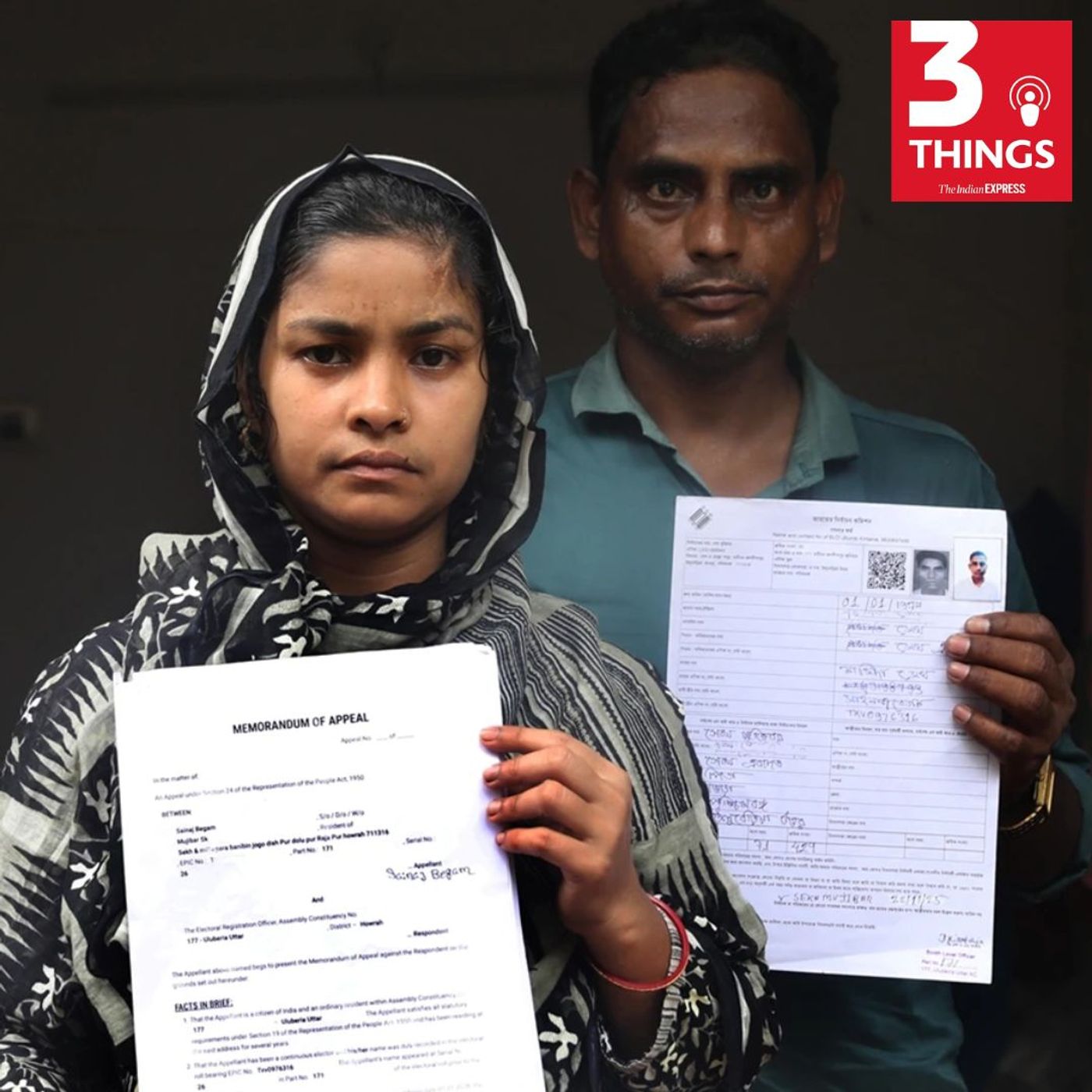
• Voter Deletion Controversy in Bengal: Over 2.7 million voters in Bengal were removed from electoral rolls through a centrally controlled AI algorithm identifying “logical discrepancies.” This process, termed “special intensive revision,” has been criticized by former election commissioners as unprecedented, with many affected voters potentially losing their citizenship. The Election Commission’s lack of transparency regarding the algorithm’s specifics and the grounds for deletion further fuels concern.
• Gujarat’s AI Tool for Drug Investigations: Gujarat police have launched “Narco-Analysis and Rag-Based Investigation Tool” (Narcan AI) to aid in drug-related cases. This AI tool, operating on a closed database, aims to help investigators by generating investigation plans and evidence checklists, drawing on legal provisions, case law, and procedures. It is intended to streamline investigations and potentially improve conviction rates, which have been historically low for drug cases in the state.
• Caste Violence During Wedding in Madhya Pradesh: A Dalit groom in Damo District, Madhya Pradesh, was allegedly dragged off his horse and beaten during his wedding procession. The incident occurred after a vehicle was deliberately parked to block the procession. Accused of making derogatory remarks and attacking the groom, his family, and their belongings, attackers allegedly also stole jewelry. Police have registered a case under the SC/ST Prevention of Atrocities Act.
• Challenges in Drug Case Prosecutions: Low conviction rates in drug-related cases are a significant concern in Gujarat, with audit reports pointing to weak institutional controls in handling seized drugs. The introduction of Narcan AI is seen as an attempt to address these systemic issues by providing a more robust framework for investigations. However, concerns remain about potential AI hallucinations and the need for human oversight.
• Supreme Court’s Intervention in Bengal Voter Deletion: The Supreme Court has stepped in to address the mass voter deletions in Bengal, appointing retired judges to act as an appellate tribunal. This judicial oversight aims to review individual cases and ensure fair resolution. The process has involved significant scrutiny of documents submitted by voters, with a large number of deletions occurring even after individuals provided supporting evidence.
💡 Key Insights & Memorable Moments
- AI as a Double-Edged Sword in Law Enforcement: While Gujarat’s Narcan AI promises to streamline investigations, the underlying concerns about AI hallucinations and the need for transparency in its algorithms highlight the ethical tightrope law enforcement walks when adopting new technologies.
- Erosion of Trust in Electoral Processes: The widespread deletion of voters in Bengal, particularly those with seemingly legitimate claims and documentation, raises profound questions about the fairness and impartiality of the electoral process and the potential for disenfranchisement.
- A concerning quote from the Madhya Pradesh incident highlights a deep-seated societal issue: “The attackers allegedly said a procession like this is simply not meant for people like them,” underscoring the persistent caste-based discrimination.
- The Supreme Court’s direct intervention in the Bengal voter deletion issue signifies the gravity of the situation and the critical need for judicial oversight when fundamental rights are perceived to be threatened by administrative actions.
🎯 Way Forward
- Enhance Transparency in AI Algorithms for Governance: Implement clear public disclosure policies for AI algorithms used in critical government functions, such as voter list management and law enforcement, to build trust and allow for independent scrutiny. This matters for ensuring democratic accountability.
- Strengthen Judicial Oversight and Appellate Mechanisms: Continue to strengthen and expedite judicial review processes for administrative decisions that significantly impact citizens’ rights, like voter deletions or legal classifications, ensuring timely and fair recourse. This is vital for protecting fundamental rights.
- Develop Robust Training Protocols for Law Enforcement on AI Tools: Ensure that law enforcement agencies are adequately trained not only on how to use AI tools like Narcan AI but also on their limitations, potential biases, and the critical importance of human oversight and validation. This matters for preventing miscarriages of justice.
- Address Root Causes of Caste-Based Violence Through Proactive Measures: Beyond legal action, focus on community-level interventions, education, and social reforms to dismantle deep-seated caste prejudices that lead to violence, particularly during significant life events like weddings. This is crucial for fostering social harmony and equality.
- Promote Inter-Agency Collaboration and Data Sharing Standards: Establish clear protocols for collaboration and data sharing between different government bodies and AI developers to ensure that tools are developed and deployed ethically and effectively, with built-in safeguards against misuse and bias. This is important for the responsible adoption of technology in public service.