
🎯 Core Theme & Purpose
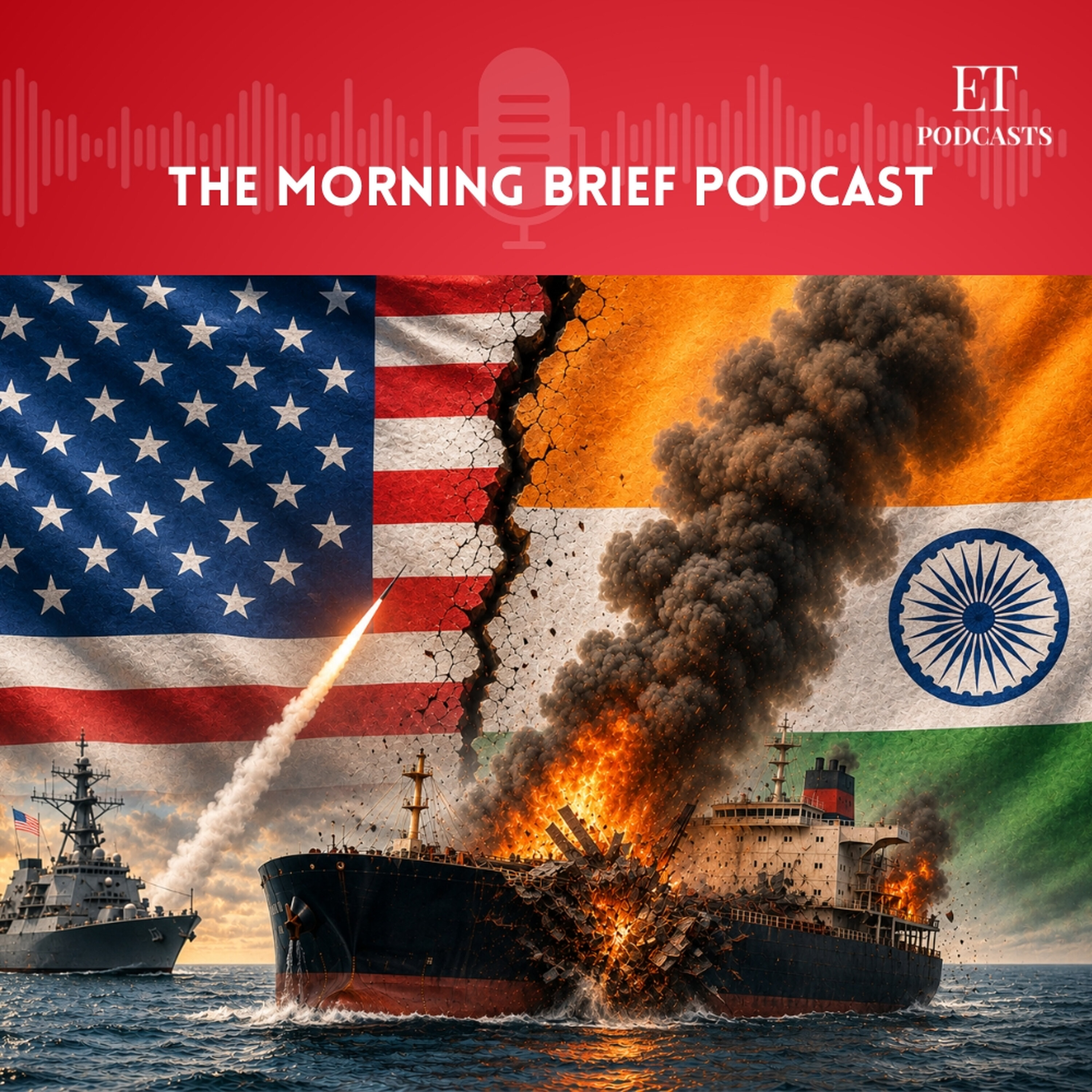
This episode delves into the fatal incident where three Indian sailors were killed by the US Navy in the Gulf of Oman, exploring the geopolitical implications and India’s response. It offers a critical analysis of international maritime law, the credibility of major powers, and India’s evolving role in a complex global security landscape. This podcast is essential for those interested in international relations, maritime security, and the challenges faced by developing nations in asserting their interests on the global stage.
CLP Detailed Content Breakdown
- The Incident and Immediate Aftermath: Three Indian sailors—Aditya Sharma, Shivanand Chaurasia, and Patnala Suresh—were killed when the US Navy fired precision strikes on their commercial tanker, the MT Settebello, in the Gulf of Oman. The US claimed the vessel violated a naval blockade on Iran and ignored warnings.
- India’s Strong Condemnation: India reacted with fury, with Foreign Minister S. Jaishankar directly calling US Secretary of State Mike Pompeo, emphasizing that such actions against commercial shipping are unjustified. India summoned the top US diplomat in Delhi twice, signaling the gravity of the situation.
- US and Iran’s Deal and Its Timing: Days after the incident, the US and Iran apparently reached a deal to reopen the Strait of Hormuz and lift the naval blockade. This timing raises serious questions about whether the sailors died during a conflict that was already winding down.
- Contrasting Accounts and Legal Ambiguities: The US military (Centcom) claims the tanker ignored multiple warnings and was attempting to evade capture, while the UAE-based operator, IOIS Marine, asserts no warning was given and the ship was stationary, refuting claims of carrying contraband. This clash of narratives highlights the complexities of enforcing maritime blockades and the potential for misinterpretation or deliberate misrepresentation of facts.
- India’s Vulnerability in Global Maritime Trade: India, with a significant portion of its workforce serving on international merchant vessels, faces a systemic vulnerability. The reliance on flag-of-convenience vessels offers little protection, leaving Indian sailors exposed in escalating geopolitical conflicts. Despite naval escorts like Operation Sankalp, the limited scope leaves many sailors unprotected.
- Geopolitical Tensions and Shifting Alliances: The incident, occurring amidst US-Iran tensions and broader geopolitical realignments, underscores the delicate balance that nations like India must navigate. The US’s actions, perceived as potentially undermining international norms and trust, raise questions about its role as a global security guarantor and its respect for the interests of its partners.
💡 Key Insights & Memorable Moments
- The Paradox of Dialogue and Force: The episode highlights the stark contradiction of the US pursuing diplomatic channels with Iran for a potential deal while simultaneously using lethal force against a civilian vessel in the same maritime space. This raises questions about the US’s strategic communication and its respect for established protocols.
- “Collateral Damage” in Great Power Rivalry: The death of the Indian sailors serves as a tragic reminder that even as major powers negotiate and de-escalate, civilian lives can become “collateral damage” in the final stages of conflicts. This points to a systemic risk for nations heavily reliant on international maritime trade.
- Erosion of Trust and Credibility: The differing accounts from the US and the shipping operator, coupled with the perceived arrogance of US statements regarding the blockade, cast doubt on international credibility and adherence to maritime law. As Abhijit Singh notes, such incidents can “damage the trust that exists between the two countries.”
- The “Flag of Convenience” Dilemma: The incident exposes the precarious position of seafarers on vessels registered under flags of convenience. While offering economic advantages, these flags provide limited recourse and protection during international maritime incidents, leaving nations like India struggling to guarantee the safety of their citizens.
🎯 Way Forward
- Establish an Independent International Fact-Finding Mission: India should lead an effort, potentially with like-minded nations, to establish a credible, independent investigation into the MT Settebello incident to ascertain the full facts beyond the conflicting narratives of the involved parties. This matters for accountability and to prevent future miscarriages of justice.
- Strengthen India’s Maritime Diplomatic Presence: India needs to actively engage in international forums to advocate for stricter adherence to maritime laws and protocols, particularly concerning civilian vessels and the right to passage. This matters for ensuring the safety of Indian seafarers and upholding international norms.
- Review and Enhance Seafarer Protection Mechanisms: India must urgently reassess its bilateral agreements and diplomatic channels with major maritime powers to establish clearer protocols for the protection of Indian seafarers in conflict zones. This matters for mitigating risks and providing tangible safety nets.
- Promote Transparency and Accountability in Maritime Operations: India should advocate for greater transparency in naval operations, including clear communication protocols and mandatory adherence to international maritime law, to reduce the likelihood of such tragic incidents. This matters for building confidence and preventing escalation.
- Diversify Maritime Workforce Protection Strategies: Beyond naval escorts, India should explore international collaborations to provide enhanced security training, communication capabilities, and emergency response mechanisms for Indian seafarers on commercial vessels, especially those operating in high-risk areas. This matters for proactively safeguarding Indian lives at sea.