
🎯 Core Theme & Purpose
This episode delves into the crucial early childhood period (birth to age six) and its profound impact on a child’s lifelong development. It emphasizes the significance of play-based learning within this timeframe and explores how experiences at home, in crèches, and within the community shape a child’s trajectory. The discussion is particularly relevant for parents, educators, policymakers, and anyone invested in child development.
📋 Detailed Content Breakdown
• The Criticality of Early Childhood (0-6 years): This period is highlighted as exceptionally crucial for a child’s growth, with experiences during these years determining their entire life path. Early childhood development taking center stage emphasizes the formative nature of these foundational years.
• The Role of Play-Based Learning: Play is identified as a key pedagogical approach, enabling children to naturally learn problem-solving, creativity, communication, and teamwork skills. This method is presented as an enjoyable and effective way for young children to acquire essential life competencies.
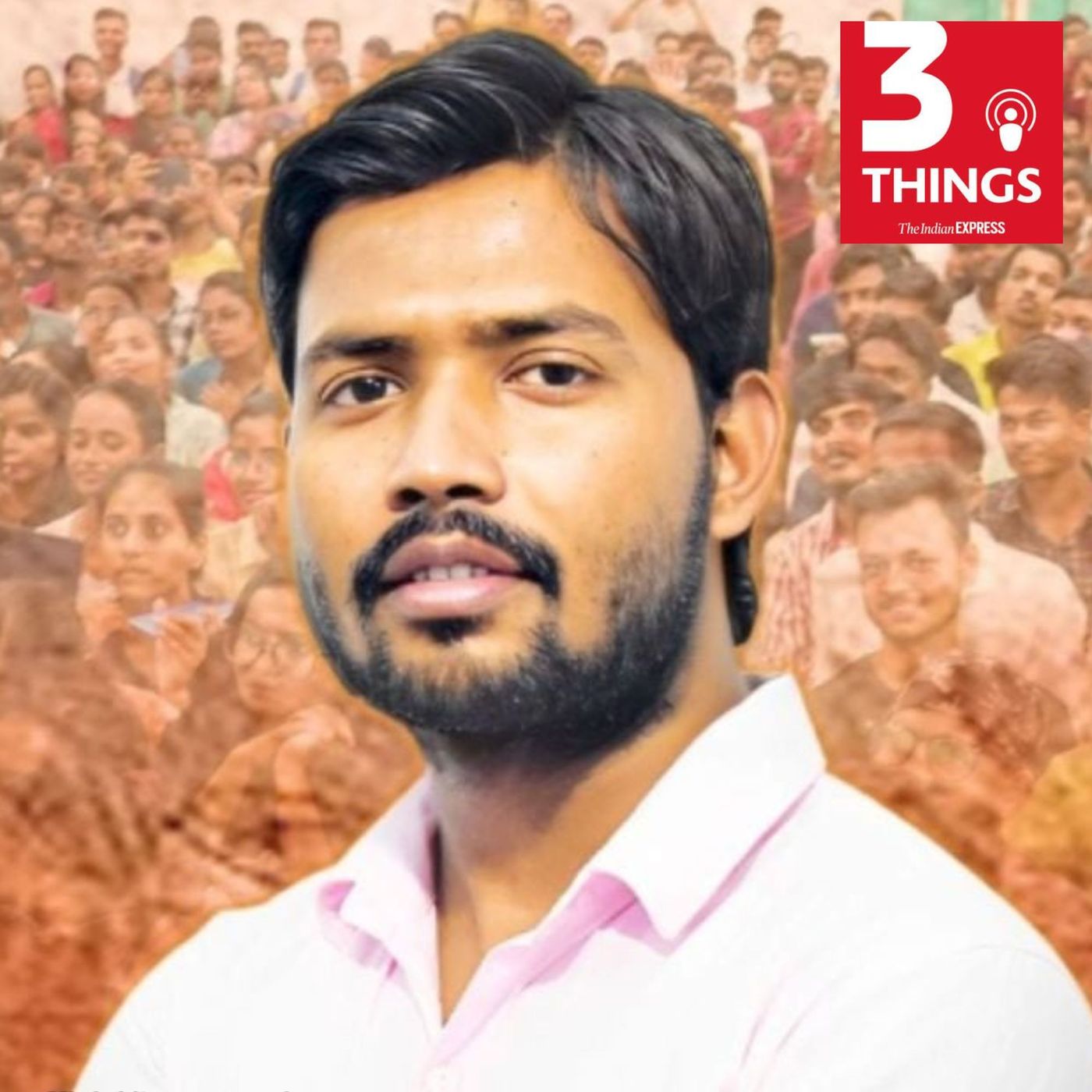
• The Khan Sir Controversy: The episode addresses the incident involving Khan Sir’s coaching institute in Patna being vandalized. It details the alleged attack, the resulting FIR, and the subsequent counter-FIR against Khan Sir himself, highlighting the escalating tensions between rival coaching institutions.
• The Turkheda Village Road Crisis: A significant discussion point is the dire situation in Turkheda village, Gujarat, where the lack of a proper road has led to tragic consequences, including the death of a pregnant woman due to delayed medical access. Despite government promises, the road construction remains incomplete, leaving villagers vulnerable.
• Modi’s Record-Breaking Tenure: The episode acknowledges Prime Minister Narendra Modi’s achievement of becoming the longest continuously serving elected Prime Minister in India’s history. This milestone is contextualized within his government’s claimed successes in development, welfare, and strengthening India’s global standing.
• Challenges in Rural Infrastructure: The ongoing struggles of Turkheda village underscore the broader issue of inadequate basic infrastructure and healthcare access in remote rural and tribal areas. The delay in completing a seemingly simple road project exemplifies systemic challenges in reaching vulnerable populations.
💡 Key Insights & Memorable Moments
- The profound interconnectedness between early childhood experiences and lifelong outcomes is a central, recurring theme.
- The incident at Khan Sir’s institute reveals the intense competition and sometimes volatile nature of India’s coaching industry.
- The tragic story of Turkheda village serves as a stark reminder of how basic infrastructure, like roads, can be a matter of life and death for remote communities.
- Aditi Raja’s reporting powerfully conveyed the villagers’ despair, noting, “The road doesn’t end, it just disappears…the villages face the maximum uncertainty and isolation.”
- Prime Minister Modi’s record tenure is presented not just as a personal achievement but also as a reflection of voter trust and the perceived success of his government’s initiatives.
🎯 Way Forward
- Prioritize Early Childhood Education Investment: Increase funding and resources for early childhood development programs, focusing on play-based learning and holistic child well-being. This matters because a strong foundation in the early years is paramount for individual success and societal progress.
- Expedite Rural Infrastructure Projects: Implement streamlined processes for land acquisition and environmental clearances to ensure timely completion of vital projects like roads in remote areas. This is crucial to prevent loss of life and ensure access to essential services.
- Strengthen Accountability in Public Services: Establish robust mechanisms for monitoring the progress of promised infrastructure projects and hold authorities accountable for delays, especially when human lives are at risk. This will foster greater public trust and ensure government commitments are met.
- Promote Inclusive Governance Models: Foster participatory governance that genuinely involves local communities in decision-making processes related to infrastructure and services. Their unique insights are essential for developing effective and sustainable solutions.
- Champion Digital Literacy and Access: While recognizing the achievements in digital transformation, focus on bridging the digital divide to ensure equitable access and benefits for all, particularly in remote and underserved regions. This will enable broader participation in the digital economy and access to information.