
🎯 Core Theme & Purpose
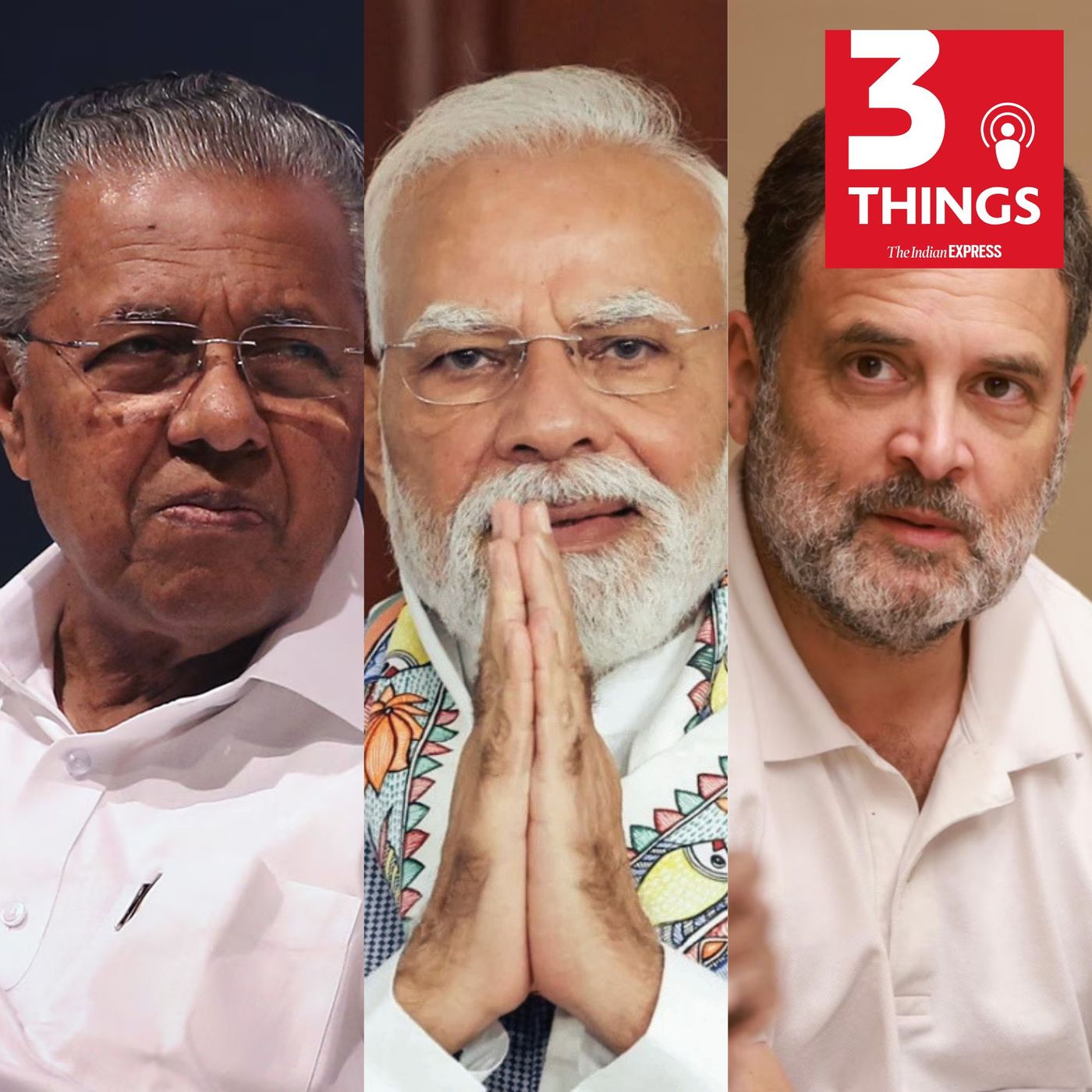
This episode delves into the complex political landscape of Kerala, India, focusing on the impending assembly elections. It analyzes the shifting dynamics, the strategies of major political fronts (LDF, UDF, and BJP), and the significant challenges facing the state, particularly the ongoing issue of man-animal conflict and the controversial FCRA amendments. The discussion is valuable for those seeking an in-depth understanding of Indian electoral politics, regional political challenges, and the socio-economic issues impacting specific states.
📋 Detailed Content Breakdown
• Kerala’s Electoral Dynamics: Kerala’s elections have historically been predictable, oscillating between the Left Democratic Front (LDF) and the United Democratic Front (UDF). This episode highlights how recent developments have made the current election more complex and less predictable.
• The Rise of the BJP: The Bharatiya Janata Party’s (BJP) growing presence in Kerala, though still nascent, is identified as a crucial factor. The episode notes the BJP’s attempts to gain a foothold, referencing their past electoral performance and their strategy of leveraging national figures like Prime Minister Narendra Modi.
• Man-Animal Conflict and Infrastructure Development: A significant issue discussed is the escalating man-animal conflict in districts like Wayanad, Idukki, and Malappuram, leading to displacement and fear. In response, the Border Roads Organisation (BRO) is undertaking significant road and bridge construction to improve connectivity, which is expected to help in rehabilitation and provide access to essential services.
• FCRA Regulations and Church Opposition: The Foreign Contribution Regulation Act (FCRA) amendments pose a challenge to various Christian denominations in Kerala. The episode explains how these amendments, by tightening regulations on foreign funding, could impact the charitable activities and functioning of churches, leading to significant opposition.
• The Role of Christian Voters and BJP’s Outreach: The episode touches upon the BJP’s efforts to appeal to Christian voters, noting instances of leaders engaging with religious figures. However, it also points out the inherent tension between the BJP’s Hindutva agenda and the concerns of the Christian community, particularly regarding issues like the FCRA.
• Amravati Capital Issue and Legal Battles: The discussion concludes with the passing of the Andhra Pradesh Reorganisation (Amendment) Bill, 2024, which seeks to recognize Amravati as the sole capital of Andhra Pradesh. This bill addresses the prolonged legal and political uncertainty surrounding the state’s capital, a move supported by the YSR Congress Party (YSRCP) and opposed by the Telugu Desam Party (TDP).
💡 Key Insights & Memorable Moments
- Shifting Electoral Sands in Kerala: The episode underscores that Kerala’s historically predictable bipolar political system is facing new pressures, with the BJP’s consistent efforts and the LDF’s potential for a second consecutive term adding layers of complexity.
- Infrastructure as a Counter-Insurgency Tool: The BRO’s aggressive road and bridge building in Maoist-affected regions of Chhattisgarh highlights a strategic approach to improving governance and security by enhancing physical connectivity, thereby reducing the “security vacuum” exploited by extremist groups.
- The Double-Edged Sword of FCRA: The amendment to FCRA is presented as a point of contention, potentially impacting the extensive social work done by religious institutions while also being framed by the central government as a measure for greater transparency.
- “We are not going to lose them”: This statement, attributed to a leader’s response regarding the BJP’s electoral prospects, suggests a strategic focus on retaining existing support bases while trying to expand, highlighting the delicate balancing act in coalition politics.
- The Long Shadow of Amravati’s Capital Status: The passage of the bill recognizing Amravati as the sole capital signifies a potential end to years of political and legal wrangling, aiming to provide stability and encourage development in the region.
🎯 Way Forward
- Monitor Kerala’s Electoral Performance of Minorities: The episode suggests that the electoral choices of minority communities, particularly Christians and Muslims, will be a critical indicator of the success of various parties’ outreach strategies and will significantly shape the election outcome.
- Analyze the Impact of Infrastructure Development on Counter-Insurgency: The success of the BRO’s road-building initiatives in regions like Bastar should be closely watched for their long-term impact on reducing Naxalite influence and improving the socio-economic conditions of the local population.
- Observe the Legal and Social Repercussions of FCRA Changes: The ongoing impact of stricter FCRA regulations on religious organizations and their charitable work in states like Kerala warrants continuous monitoring to understand the balance between regulatory oversight and the provision of social services.
- Track Andhra Pradesh’s Capital Development Trajectory: The establishment of Amravati as the sole capital will be a key development to follow, with implications for economic growth, governance, and regional development across Andhra Pradesh.
- Evaluate the BJP’s Long-Term Strategy in Southern States: The BJP’s efforts in Kerala, especially in the context of local challenges and unique political histories, offer insights into their broader strategy for expanding influence in South India, a region historically less dominated by the party.