
🎯 Core Theme & Purpose
This episode delves into significant developments and controversies within India, focusing on infrastructure projects, sports, and academic integrity. It provides an in-depth look at the proposed Kempla hydroelectric project, the growing influence of Australian rules football in India, and a recent controversy surrounding the Gujarat University at the India AI Expo. The content is valuable for policymakers, industry professionals, sports enthusiasts, and those interested in India’s socio-economic landscape.
📋 Detailed Content Breakdown
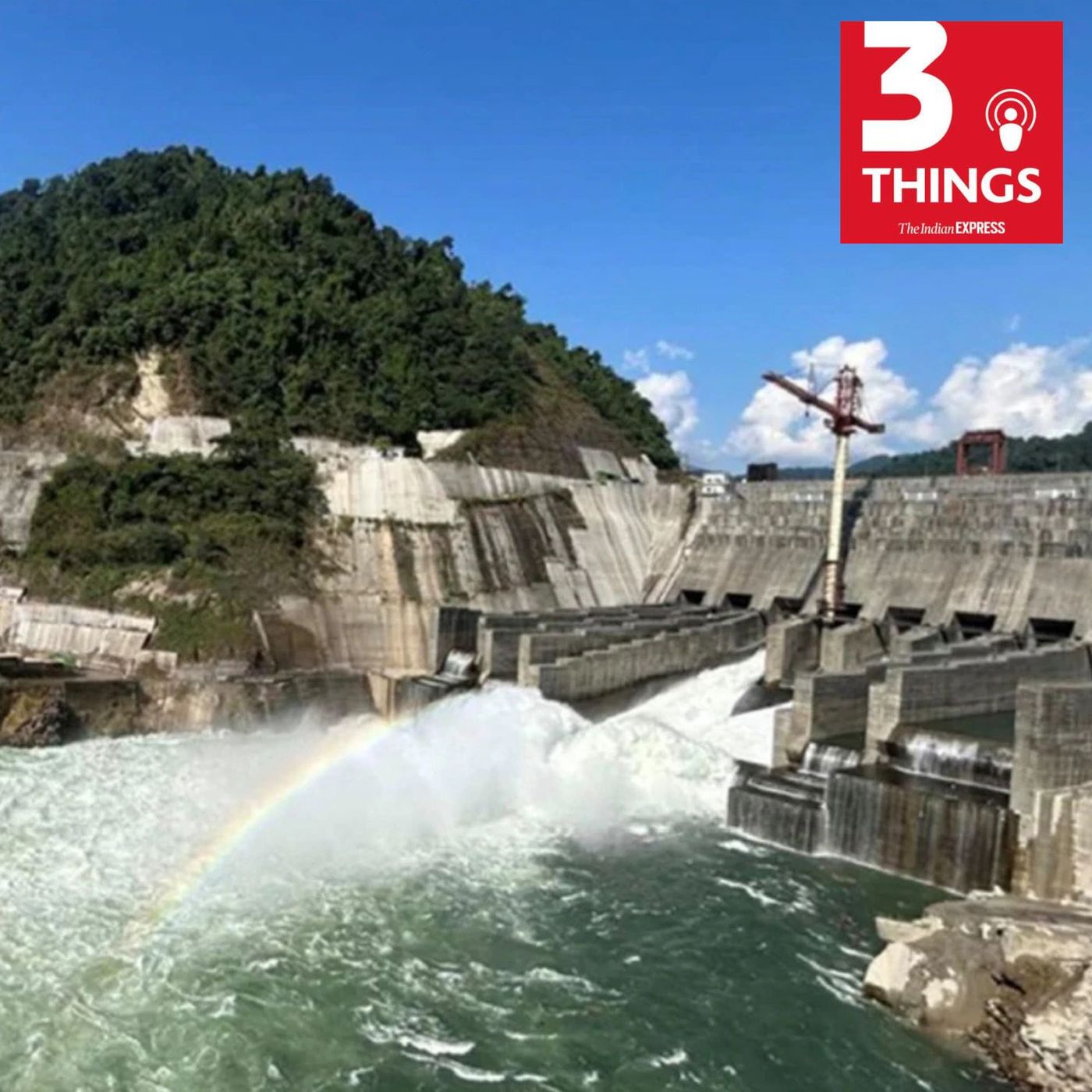
• Kempla Hydroelectric Project: The episode details a proposed 1720 MW hydroelectric project in Arunachal Pradesh, which has received clearance from an expert panel of the Environment Ministry. The project, planned across three districts, will involve the felling of approximately 2.34 lakh trees and will affect over 5,440 families, raising environmental and social concerns. It aims to harness the region’s significant hydropower potential through a 216-meter high concrete gravity dam.
• Australian Rules Football’s Growth in India: The discussion highlights the surprising expansion of Australian Rules Football (“AFL” or “Footy”) in India, with over 10,000 registered players. Introduced by Australian coaches, the sport has taken root in tribal belts of Jharkhand and Odisha, slums in Mumbai, and border districts of West Bengal. Despite lacking official recognition, it’s gaining traction due to its accessibility and the transferable skills it offers from other sports like basketball and handball.
• Sports Recognition and Funding Challenges: The lack of official recognition for AFL in India poses significant challenges for players, impacting their access to sports quotas in jobs and educational institutions. Funding primarily comes from Australian sources, highlighting a reliance on international support. The episode emphasizes that for the sport to truly flourish, it needs recognition that opens doors for domestic talent and infrastructure development.
• Gujarat University Controversy at India AI Expo: A controversy erupted at the India AI Expo concerning Gujarat University. A professor showcased a commercially available robot dog, the Unitree G2, claiming it as an indigenous innovation developed by the university’s Centre of Excellence. This led to widespread criticism on social media for misrepresentation, prompting the university to issue an apology and clarify that the robot was not claimed as a self-developed product but rather as an example for research and development.
• Environmental and Social Impact of Hydroelectric Projects: The Kempla project exemplifies the broader challenges associated with large infrastructure development in ecologically sensitive areas. Concerns include extensive deforestation, displacement of families, and potential long-term impacts on local climate and biodiversity. The episode touches upon the process of environmental clearance and the necessary compensatory afforestation measures.
• The Importance of Indigenous Innovation: The Gujarat University incident underscores the ongoing debate around showcasing and claiming credit for technological innovations at government-backed platforms like the India AI Expo. It highlights the need for transparency and ethical conduct to foster genuine indigenous development and avoid misrepresentation of foreign technology.
💡 Key Insights & Memorable Moments
- A surprising revelation is the significant grassroots growth of Australian Rules Football in India, a sport largely unknown to the general population, with over 10,000 registered players.
- The Kempla Hydroelectric project’s scale is immense, requiring the felling of over 2.34 lakh trees and impacting more than 5,440 families, highlighting the severe environmental trade-offs of large infrastructure projects.
- The controversy at the India AI Expo points to a concerning trend of misrepresenting foreign technology as indigenous innovation, potentially undermining efforts to foster genuine R&D and damaging the credibility of institutions.
- As one speaker noted, the AFL’s growth in India is “organic,” suggesting its appeal lies in its accessibility and the transferable skills it offers, providing an alternative avenue for athletic ambition.
- The episode highlights that for sports like AFL to gain national traction in India, official recognition is crucial for unlocking opportunities in jobs and education, demonstrating the link between governance and sports development.
🎯 Way Forward
- Strengthen Verification Processes for Exhibitions: Implement robust verification mechanisms for all exhibits at government-backed technology expos to ensure the authenticity of showcased innovations and prevent misrepresentation. This matters for maintaining the credibility of national technology initiatives and fostering genuine R&D.
- Develop a Comprehensive Framework for Emerging Sports: Create clear pathways for the recognition and development of non-traditional sports like AFL in India. This should include policies for funding, infrastructure development, and integration into the national sports ecosystem. This matters for diversifying athletic opportunities and nurturing talent from varied backgrounds.
- Enhance Public Consultation for Large Infrastructure Projects: Ensure thorough and transparent public consultation processes for projects like the Kempla dam, actively involving affected communities and addressing environmental and social impact concerns proactively. This matters for sustainable development and mitigating potential conflicts.
- Promote Ethical AI Development and Disclosure: Encourage a culture of transparency in the AI sector, emphasizing the ethical sourcing and development of technologies. This can be achieved through stricter guidelines for intellectual property claims and open disclosure of technology origins. This matters for building trust in India’s AI ambitions.
- Invest in Grassroots Sports Development Beyond Traditional Sports: Explore and support the development of emerging sports that show potential for broad participation, particularly in underserved communities. This can provide alternative avenues for talent and create new sporting identities for the nation.