
🎯 Core Theme & Purpose
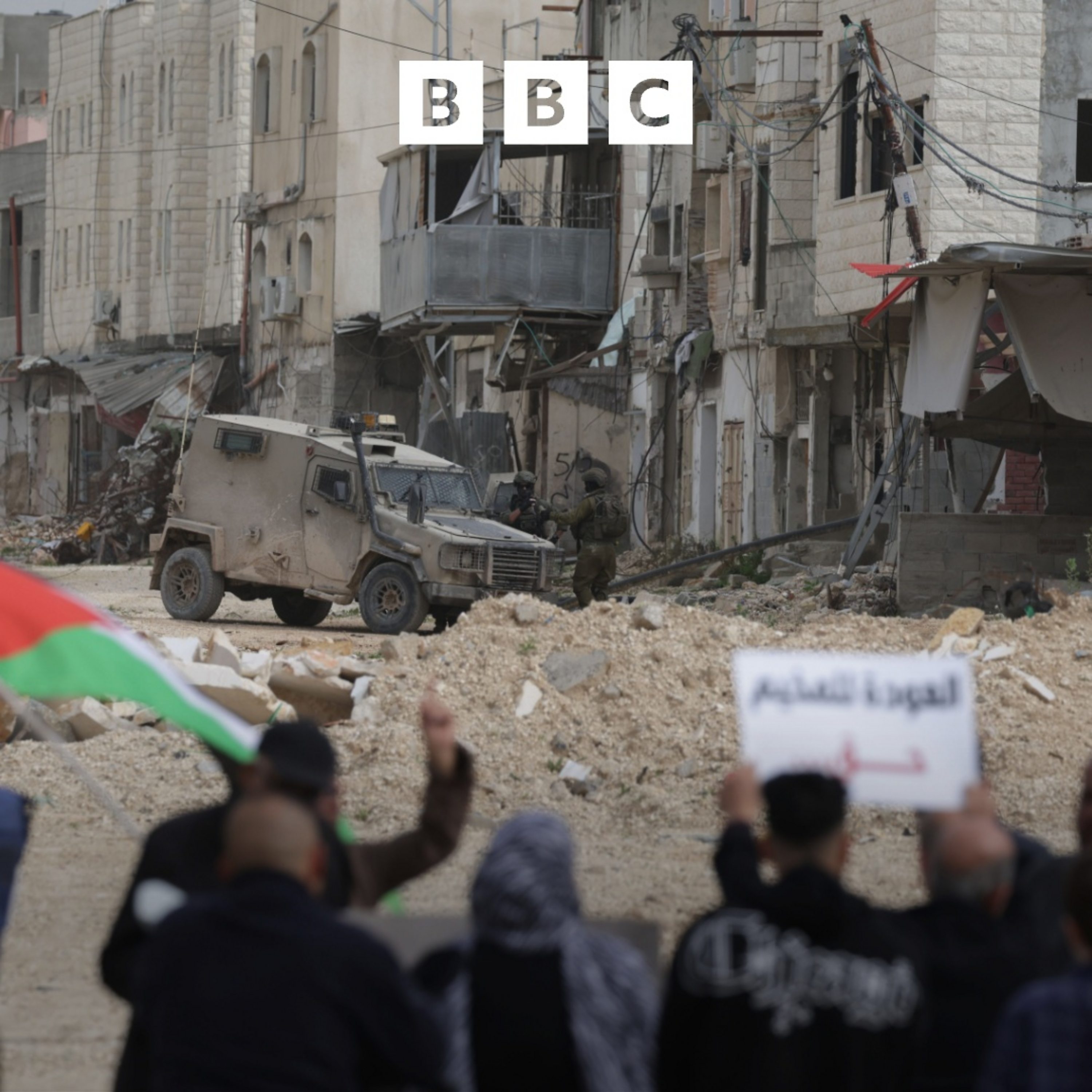
This episode of the BBC World Service’s “The Global Story” delves into the escalating geopolitical tensions surrounding the Israel-Palestine conflict, with a particular focus on the international community’s response and the potential for a two-state solution. It highlights the complex and often conflicting perspectives of major global players, as well as the dire humanitarian situation in Gaza. This analysis would be of particular interest to policymakers, international relations scholars, and individuals seeking a nuanced understanding of the ongoing conflict and its global implications.
📋 Detailed Content Breakdown
• UN Security Council Session & International Concern: The episode details a UN Security Council session focused on the future of Gaza and concerns raised about Israel’s actions. A senior UN official warned that Israel’s plan to tighten control over parts of the West Bank is a serious concern, highlighting the risk to a two-state solution.
• Differing Perspectives on the Conflict: A significant point of discussion is the divergence in viewpoints between the UK and the US regarding the conflict. While the UK expresses concerns about settlement expansion, the US, an ally of Israel, has been perceived as not taking a tougher stance, leading to accusations of enabling Israeli actions.
• The Role of the United States and its Allies: The US’s strong alliance with Israel is noted as a key factor in the UN Security Council’s paralysis, due to its veto power. Criticism is voiced that this has led to impunity for Israel, with the US not adopting a more critical approach.
• The Humanitarian Crisis in Gaza: The lack of sufficient aid reaching Gaza is raised as a critical issue, alongside the ongoing military strikes and the death of Palestinians. The broader context of the conflict’s impact on civilian lives is emphasized.
• Challenges to the Two-State Solution: There’s a palpable sense of urgency regarding the feasibility of a two-state solution, with one expert describing it as being in “profound peril.” The ongoing expansion of Israeli settlements in the West Bank is presented as a significant obstacle.
• Legal and Ethical Dimensions of the Conflict: The discussion touches upon the legal implications of Israel’s actions, particularly regarding settlement expansion, which is described as de facto annexation. The episode also implicitly raises questions about international law and accountability.
💡 Key Insights & Memorable Moments
• UN Paralysis due to US Veto: The episode underscores how the US veto power within the UN Security Council significantly hampers the organization’s ability to take decisive action on the conflict, highlighting a systemic limitation in international governance. • “De Facto Annexation” of the West Bank: The characterization of Israel’s settlement expansion as “de facto annexation” by a UN official is a stark and impactful insight into the perceived reality on the ground. • Contrasting Diplomatic Approaches: The stark contrast between the UK’s expressed concerns and the US’s perceived leniency towards Israel reveals deep rifts within the international community’s approach to the conflict. • “The Global Story” as an Intersectional Analysis: The podcast’s premise of exploring global events through the lens of their intersection with America (“where the world and America meet”) offers a unique and valuable perspective for understanding international dynamics.
🎯 Way Forward
- Strengthen International Diplomatic Channels: Given the observed paralysis at the UN, explore alternative multilateral platforms and diplomatic initiatives to foster dialogue and de-escalate tensions between Israel and Palestine, potentially involving regional actors.
- Prioritize Humanitarian Aid Access: Implement robust mechanisms to ensure the unimpeded and consistent flow of essential humanitarian aid to Gaza, moving beyond political considerations to address the immediate needs of the civilian population.
- Hold Accountable All Parties to International Law: Establish clear processes for accountability regarding alleged violations of international law by all parties involved in the conflict, including through independent investigations and potential legal recourse.
- Re-evaluate and Reinforce the Viability of a Two-State Solution: Undertake a comprehensive reassessment of the practical pathways towards a two-state solution, addressing obstacles such as settlement expansion and security concerns with concrete, actionable proposals.
- Promote Grassroots Peacebuilding Initiatives: Support and amplify efforts by civil society organizations and individuals working towards peace and reconciliation on the ground in both Israeli and Palestinian communities, fostering a bottom-up approach to conflict resolution.