
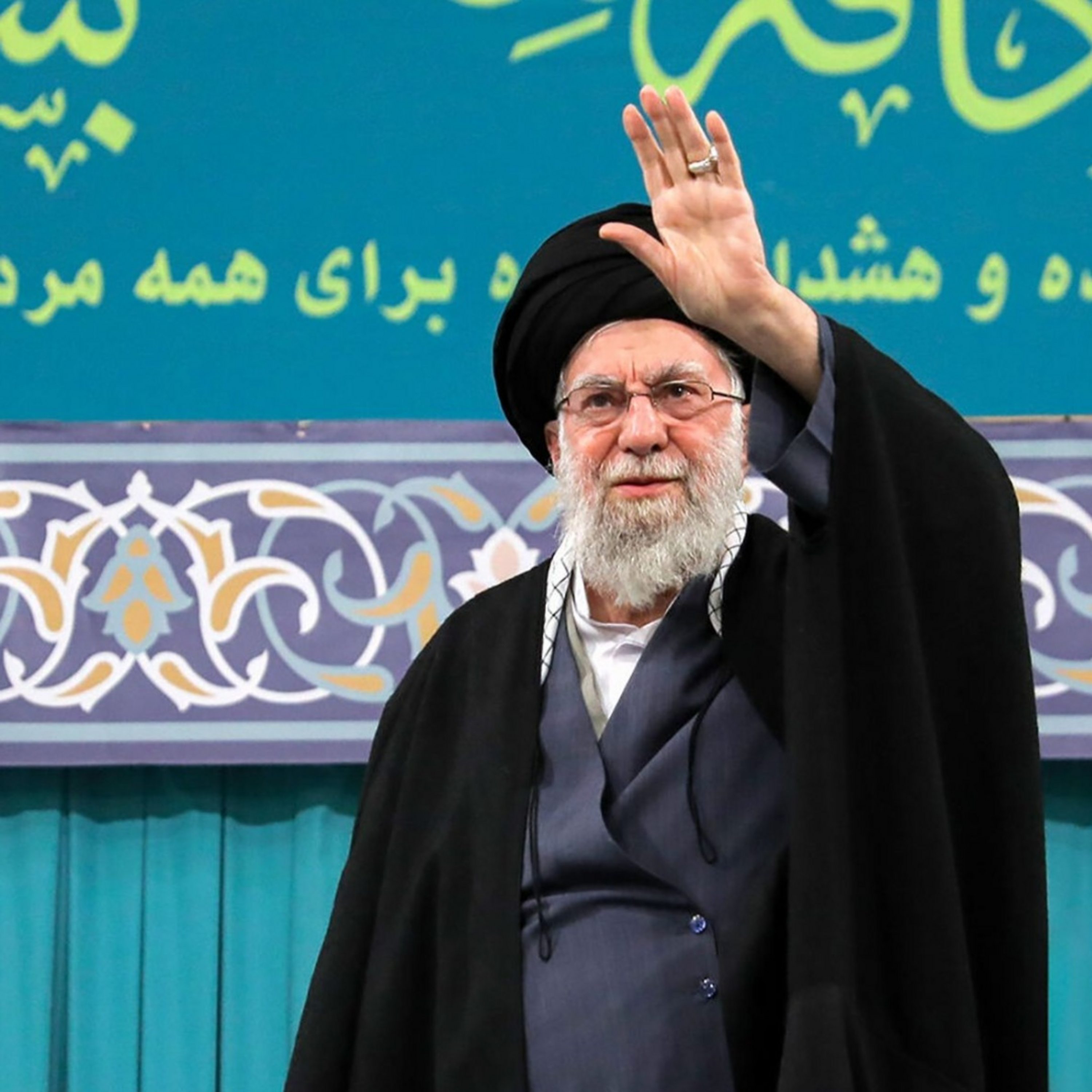
🎯 Core Theme & Purpose
This episode delves into the geopolitical and internal ramifications of the death of Iran’s Supreme Leader, Ayatollah Ali Khamenei. It examines the immediate power vacuum, the reactions within Iran and internationally, and the potential future trajectories for the nation. Listeners interested in Middle Eastern politics, international relations, and the dynamics of authoritarian regimes will find this analysis particularly beneficial.
📋 Detailed Content Breakdown
• The Death of Ayatollah Ali Khamenei: The episode begins with the confirmation of Khamenei’s death, noting his absolute power in Iran for nearly four decades. It highlights that his passing marks the end of an era for the Islamic Republic. • Public Reaction and Celebration: Reports detail spontaneous celebrations in Iran following the news of Khamenei’s death, with footage emerging of young people, including women without headscarves, dancing and waving flags. This contrasts with the official announcement of 40 days of mourning by the Revolutionary Guard. • Succession Uncertainty and Political Maneuvering: The question of succession is immediately raised, with emphasis on the speed of the announcement suggesting confidence within the ruling establishment. However, the specific individual to succeed Khamenei remains unknown, with speculation pointing to a potential shift towards more hardline factions. • Geopolitical Implications and International Reactions: The episode discusses the US and Israeli defense of their strikes in Iran, citing an “existential threat.” It also notes Iran’s threat to close the Strait of Hormuz, a vital oil transit route, and the mixed international reactions, with some allies of the US expressing concerns about further escalation. • Internal Challenges and Future Outlook: The analysis suggests Iran’s regime is on shaky ground, weakened by US and Israeli actions and significant internal protests in recent years. The possibility of regime change or further crackdown is explored, with insights into the deep divisions within the Iranian leadership and the potential for popular dissent. • Iran’s Strategic Ambitions: The episode touches upon Iran’s regional strategy of sponsoring proxy groups like Hezbollah, and its nuclear program, which has been a source of major crisis. The Iranian ambassador to the UN accuses the US and Israel of targeting civilian areas, framing their actions as a war crime.
💡 Key Insights & Memorable Moments
- The speed of the succession announcement, occurring at 5 AM, is interpreted as a sign of the regime’s confidence in its planned transition, contrasting with the more protracted process after Ayatollah Ruhollah Khomeini’s death.
- The public celebrations highlight a deep-seated discontent with the regime, suggesting that Khamenei’s death may embolden further protests and calls for change.
- The US and Israeli stance, framing their actions as defense against an “existential threat,” underscores the ongoing high tensions in the region.
- Expert analysis suggests the Iranian regime’s core objective will remain the survival of the Islamic Republic and its clerical rule, regardless of who leads it.
- The tactic of targeting economic infrastructure like the Strait of Hormuz is seen as a significant escalation, with potentially far-reaching global economic consequences.
🎯 Way Forward
- Monitor the Succession Process Closely: The internal jockeying for power and the eventual selection of a new Supreme Leader will be a critical determinant of Iran’s future domestic and foreign policy. This matters for understanding regional stability and international relations.
- Observe Iran’s Regional Posture: Iran’s continued use of proxy groups and its nuclear program will remain key flashpoints. Any shift in these strategies will signal the new leadership’s intentions and could dramatically alter the geopolitical landscape. This matters for de-escalation efforts and nuclear non-proliferation.
- Analyze Internal Dissent and Regime Stability: The scale and nature of public reactions and potential future protests will be a crucial indicator of the regime’s resilience. This matters for forecasting potential internal political shifts and the possibility of broader societal change.
- Assess International Diplomatic Responses: The coordinated efforts and divisions among global powers regarding Iran’s actions and internal situation will shape future diplomatic engagement and potential sanctions or negotiations. This matters for charting a path towards de-escalation and regional security.
- Scrutinize Economic and Strategic Responses: Iran’s threats and actions concerning vital trade routes like the Strait of Hormuz, and the global economic fallout, will require careful monitoring. This matters for global energy security and international trade stability.