
🎯 Core Theme & Purpose
This episode delves into Pakistan’s unexpected emergence as a key mediator in international diplomacy, specifically its role in fostering talks to end the war in Iran. It explores how this South Asian nation, historically on the sidelines of global politics, has become a trusted player by both the US and Iran. The discussion is particularly relevant for those interested in geopolitical shifts, diplomatic strategies, and the evolving role of emerging powers.
📋 Detailed Content Breakdown
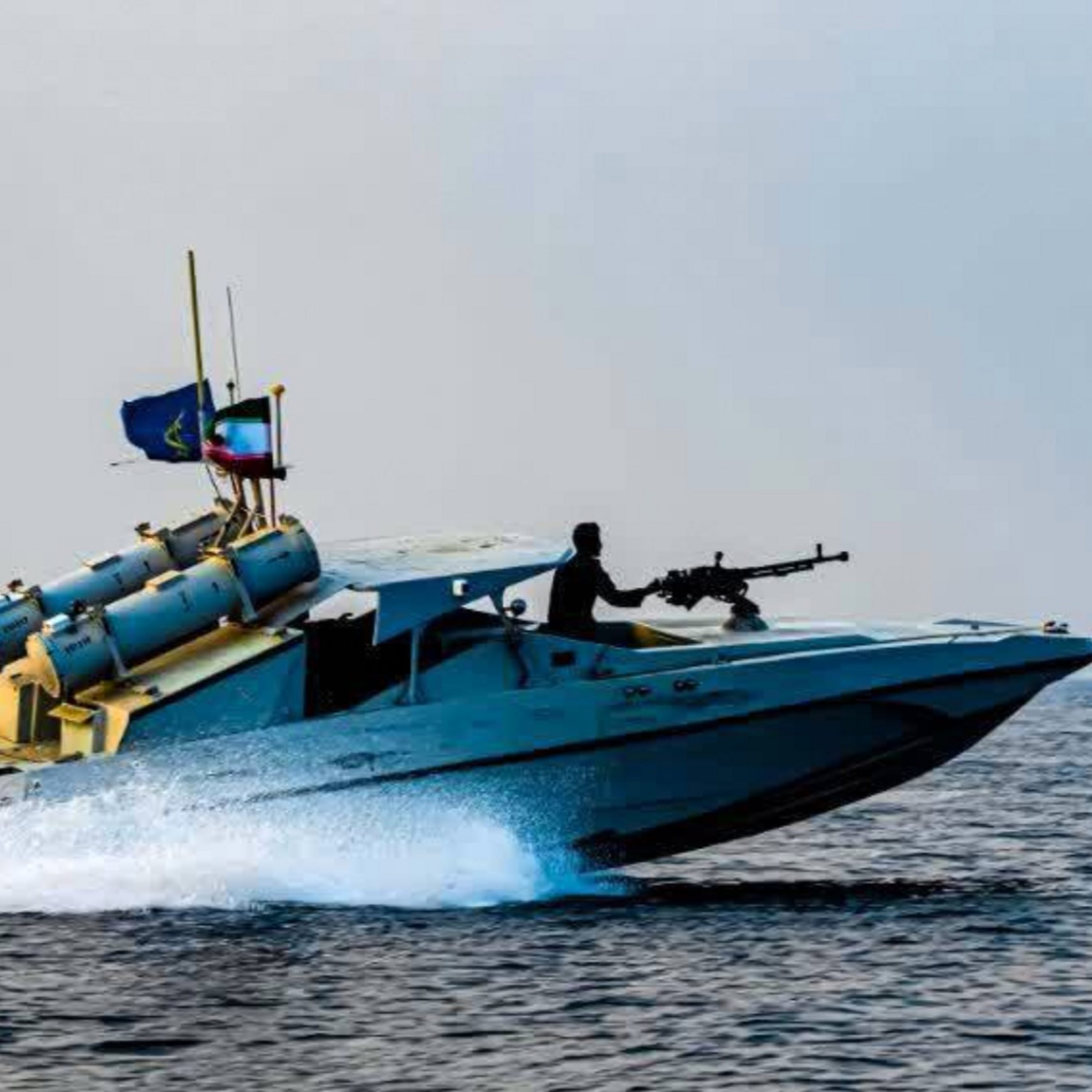
• Pakistan’s Diplomatic Ascent: Once on the margins of global diplomacy, Pakistan is now recognized as a crucial peacemaker. This shift is highlighted by its ability to engage both the US and Iran, positioning it as a key player in resolving the conflict in Iran. • US-Iran Stalemate and Pakistan’s Intervention: The US has imposed sanctions on Iran, and Iran’s President Hassan Rouhani views this as a violation of the ceasefire. Pakistan’s involvement is timely given the ongoing tensions and the Strait of Hormuz’s importance as a vital oil shipping route. • Iran’s Economic Strain and Defiance: Iran faces significant economic hardship due to sanctions, with reported losses of $500 million daily. Despite this, Iranian leaders remain defiant, indicating a willingness to withstand economic pressure. • The Geopolitical Chessboard: Strait of Hormuz: Iran’s control over the Strait of Hormuz is a critical leverage point. The seizure of cargo ships and threats against maritime traffic underscore its strategic importance and Iran’s intent to use it as a bargaining chip. • The Role of Sanctions and International Pressure: The US sanctions are described as crippling Iran’s economy. This economic pressure, combined with international scrutiny, forms the backdrop against which Pakistan’s mediation efforts are playing out. • Broader Implications of the Conflict: The conflict’s effects extend beyond Iran, impacting global oil prices and creating economic instability. The US aims to isolate Iran, but this has led to a complex diplomatic situation where Pakistan finds itself in a pivotal mediating position.
💡 Key Insights & Memorable Moments
• Counterintuitive Mediation: Pakistan, often seen as a regional player, is now acting as a bridge between global superpowers like the US and Iran, a surprising development in its foreign policy trajectory. • Iran’s Resilience Under Sanctions: Despite severe economic pressure, Iran’s leadership demonstrates a resolute stance, suggesting a deep-seated capacity to endure and resist external demands. • The Strait of Hormuz as a Geopolitical Lever: The episode emphasizes how control over critical maritime chokepoints, like the Strait of Hormuz, grants significant diplomatic and strategic power, allowing nations to exert influence through potential disruption. • Data Point: Iran is reportedly losing $500 million daily due to the economic pressures and sanctions it faces.
🎯 Way Forward
- Empower Pakistan’s Diplomatic Role: Continue to support and leverage Pakistan’s mediating position to foster dialogue and de-escalate tensions between the US and Iran. This matters for achieving a lasting peace in the region.
- Diversify Diplomatic Channels: Explore parallel diplomatic initiatives beyond direct US-Iran talks, potentially involving regional actors and international bodies, to create multiple pathways for conflict resolution. This matters for preventing diplomatic deadlock.
- Focus on Economic Stabilization for Iran: Investigate targeted economic relief or sanctions adjustments that could alleviate the suffering of the Iranian populace while still addressing international security concerns. This matters for fostering internal stability and reducing regional desperation.
- Strengthen Global Maritime Security Frameworks: Reinforce international cooperation and mechanisms to ensure the free and safe passage of vessels through critical waterways like the Strait of Hormuz. This matters for global economic stability and preventing conflict escalation.
- Monitor and Analyze Pakistan’s Strategic Gains: Observe how Pakistan leverages this mediation role to enhance its own geopolitical standing and economic ties, understanding its long-term strategic objectives. This matters for understanding shifting global power dynamics.