
🎯 Core Theme & Purpose
This episode dissects the geopolitical and economic implications of the ongoing conflict in Iran, with a specific focus on its impact on global oil supply and India’s energy security. It also touches upon domestic political developments in India concerning the Lok Sabha speaker. The discussion is particularly relevant for policymakers, energy sector professionals, and those interested in international relations and economic stability.
📋 Detailed Content Breakdown
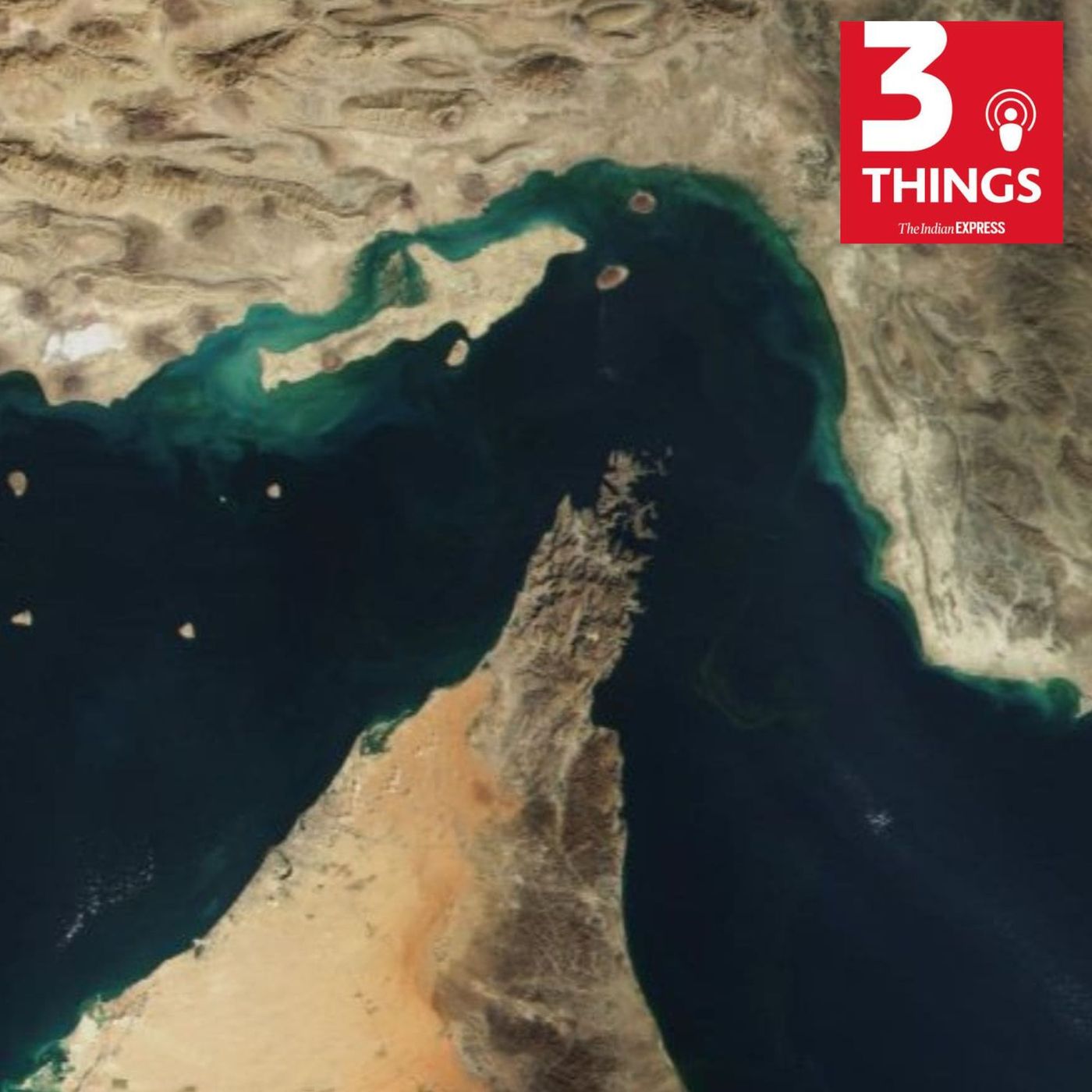
• Iran Conflict’s Impact on Oil Supply: The escalating conflict involving Iran, the US, and Israel has severely disrupted oil and gas flows through the Strait of Hormuz, a critical global oil transit choke point. This narrow waterway handles approximately one-fifth of global liquid petroleum consumption and a significant share of LNG trade, raising concerns about oil price surges and India’s ability to meet its own oil demands if the conflict persists.
• India’s Dependence on Strait of Hormuz: Historically, about 40% of India’s oil imports have transited through the Strait of Hormuz, a figure that has recently risen to nearly 50%. This dependence highlights India’s vulnerability to supply disruptions originating from this volatile region.
• India’s Strategic Oil Reserves: India currently holds approximately 25 days of crude oil stocks and an additional 25 days of major petroleum products and fuels. This buffer is considered crucial for mitigating immediate supply shocks, although concerns remain about the long-term sufficiency if disruptions are prolonged.
• India-Canada Uranium Deal: India and Canada have finalized a long-term agreement for the supply of 10,000 tons of uranium to fuel India’s nuclear reactors over a period of 15 years, starting in 2027. This deal is seen as a significant step towards normalizing relations between the two countries after a period of strain and aims to bolster India’s nuclear energy capacity.
• Geopolitical Context of the Canada Deal: The timing of the uranium deal is particularly significant given the recent diplomatic tensions between India and Canada, stemming from allegations of Indian involvement in the killing of a Sikh separatist. The agreement signals an effort to mend and strengthen bilateral ties through cooperation in critical sectors like nuclear energy.
• Resolution to Remove Lok Sabha Speaker: A resolution has been filed seeking the removal of Lok Sabha Speaker Om Birla, citing allegations of bias and disregard for opposition rights. Despite lacking the numbers for success, the move is politically symbolic, aiming to highlight perceived marginalization of opposition parties and challenge the government’s functioning.
💡 Key Insights & Memorable Moments
• The “Choke Point” Vulnerability: The Strait of Hormuz’s critical role as a global energy transit hub makes any disruption there have immediate and significant ripple effects on international markets, particularly for energy-importing nations like India. • India’s Strategic Buffer: While India possesses a substantial oil reserve, the analysis suggests it’s more robust for crude oil than for refined products and LPG, indicating potential vulnerabilities in specific energy categories. • Uranium Deal as a Diplomatic Tool: The India-Canada uranium supply agreement is not just about energy but also serves as a strategic move to rebuild trust and foster cooperation between the two nations after a period of significant diplomatic friction. • Political Theater in Lok Sabha: The resolution to remove the Speaker, though unlikely to succeed, is framed as a tactic for the opposition to voice grievances, hold the government accountable, and highlight procedural fairness in Parliament.
🎯 Way Forward
- Diversify Energy Import Sources: India should actively pursue further diversification of its oil and LNG import routes and suppliers to reduce over-reliance on the Strait of Hormuz, mitigating geopolitical risks.
- Enhance Strategic Reserves Management: The government should regularly review and potentially expand its strategic petroleum reserves, focusing on a balanced stock of crude oil and refined products, and assessing the adequacy of LPG reserves.
- Strengthen Nuclear Energy Diplomacy: India should continue to leverage its growing nuclear energy program for diplomatic engagement, securing reliable long-term fuel supplies and fostering international cooperation in peaceful nuclear technology.
- Promote Domestic Uranium Exploration and Processing: While current domestic reserves are of lower quality, increased investment in exploration and advanced processing technologies could eventually reduce import dependency and enhance energy self-sufficiency.
- Uphold Parliamentary Standards: Opposition parties should strategically use mechanisms like no-confidence motions or censure motions to effectively raise concerns about parliamentary conduct and governance, even when numbers are not in their favor.