
🎯 Core Theme & Purpose
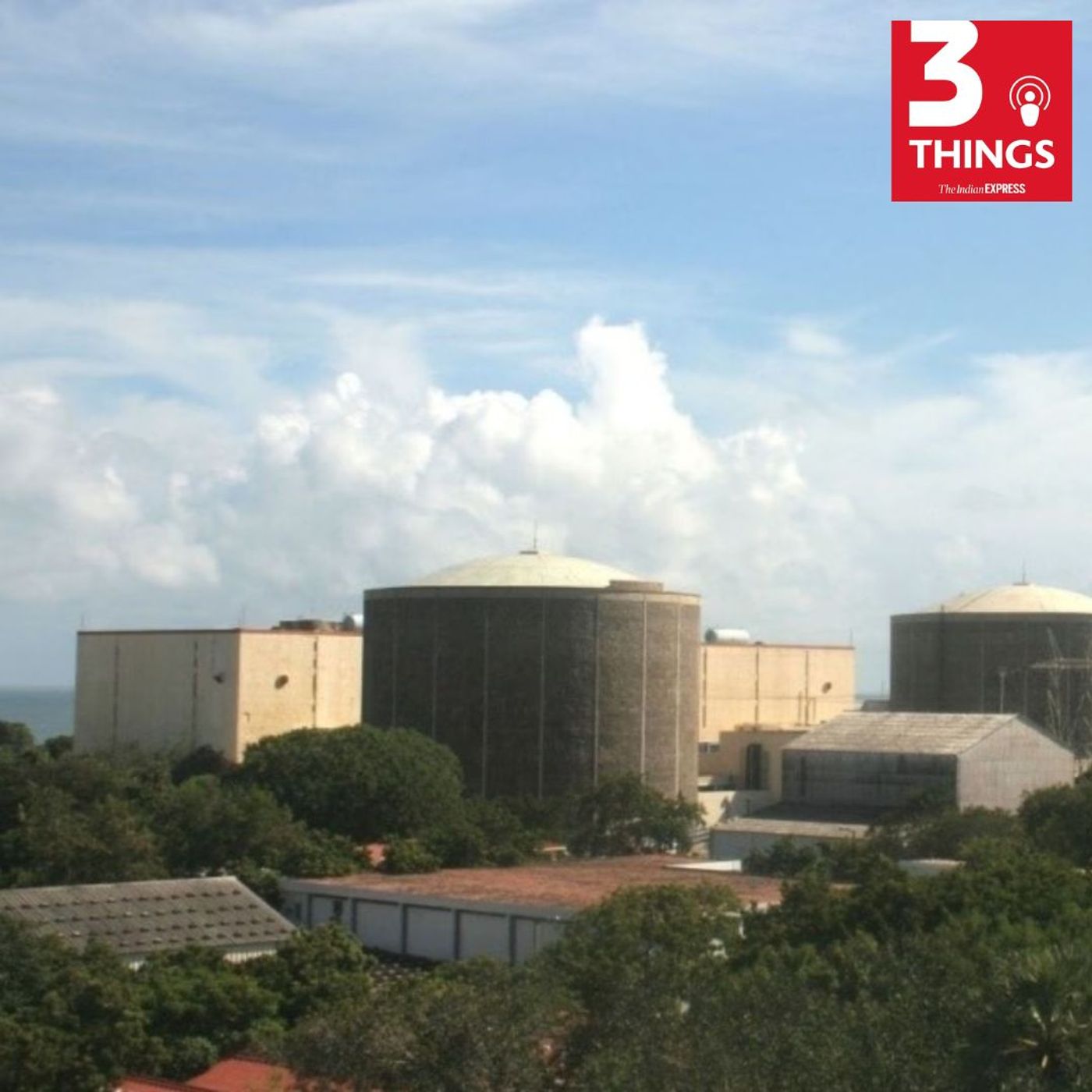
This episode delves into India’s ambitious three-stage nuclear power program, highlighting its recent milestone with the commissioning of the Fast Breeder Reactor at Kalpakkam. The discussion explores the program’s strategic importance in light of India’s uranium constraints and its potential to secure long-term energy independence. This content is particularly relevant for policymakers, energy sector professionals, and individuals interested in India’s technological advancements and energy security.
📋 Detailed Content Breakdown
• India’s Three-Stage Nuclear Program Milestone: The commissioning of the Fast Breeder Reactor (FBR) at Kalpakkam marks a significant achievement, signifying the second stage of India’s nuclear energy strategy. This indigenous reactor is designed to breed more fissile material than it consumes, a crucial step towards utilizing India’s vast thorium reserves. This development underscores India’s scientific and engineering capabilities in advanced nuclear technology.
• Significance of Fast Breeder Reactors (FBRs): FBRs are central to India’s long-term nuclear vision because they can utilize uranium and plutonium more efficiently and can breed new fuel from thorium. The Kalpakkam FBR, in particular, uses a mixed-oxide fuel and plays a key role in converting thorium into a usable fissile material (U-233) for the third stage of the program. This technology is vital for achieving energy self-sufficiency.
• Geopolitical Impact on Energy Markets: The recent cessation of hostilities between the US and Iran has provided a temporary reprieve to global energy markets, leading to a drop in crude oil prices. However, the underlying issues, such as the disruption of oil and LNG flows through the Strait of Hormuz and the damage to energy infrastructure, remain. This creates ongoing price volatility and underscores the vulnerability of import-dependent nations like India.
• India’s LNG Dependence and Imports: India heavily relies on imports for its Liquefied Natural Gas (LNG) supply, with a significant portion of these imports coming via the Strait of Hormuz. The conflict in the region disrupted supply lines, leading to a surge in prices and forcing India to seek alternative sources, including increased reliance on Russian oil. While some LNG tankers have resumed their journey, the situation highlights the precariousness of India’s energy security.
• Re-evaluation of Nuclear Energy and Safety: The episode touches upon the global re-evaluation of nuclear energy, driven by climate change concerns and the energy security implications of geopolitical conflicts. Despite past incidents like Fukushima, nuclear power is seeing a resurgence, with a focus on enhanced safety features in newer reactor designs. India’s nuclear program, with its long-term vision, is positioned to benefit from this global shift.
• Evolving Election Landscape in India: The summary touches upon the ongoing state elections in Assam, Kerala, and Puducherry. In Assam, the contest is primarily between the BJP and an opposition alliance, with the BJP aiming for a second term based on development and welfare initiatives, while also focusing on issues like infiltration. In Kerala, the ruling LDF seeks a third term, facing a united Congress-led opposition. Puducherry’s elections are characterized by the rise of the BJP as a significant player alongside the incumbent NDA.
💡 Key Insights & Memorable Moments
- The Kalpakkam Fast Breeder Reactor is a testament to India’s “Make in India” initiative in the nuclear sector, representing a significant step towards energy independence.
- “The security of energy supply is paramount, and any geopolitical instability that threatens it has immediate and far-reaching consequences for economies worldwide.” - This sentiment underscores the fragility of global energy markets.
- The three-stage nuclear program is a long-term strategic vision designed to overcome India’s limited uranium resources by leveraging its abundant thorium reserves.
- Despite initial price drops, the underlying geopolitical risks associated with the Strait of Hormuz continue to influence oil and LNG markets, keeping prices elevated and creating uncertainty for import-dependent nations.
🎯 Way Forward
- Accelerate FBR Deployment: India should expedite the development and deployment of Fast Breeder Reactors to fully leverage its thorium resources and achieve greater nuclear fuel cycle independence. This is crucial for long-term energy security.
- Diversify Energy Import Sources: Given the geopolitical risks associated with the Strait of Hormuz, India must aggressively diversify its oil and LNG import routes and suppliers. This includes exploring new pipelines and strengthening relationships with countries beyond the Middle East.
- Enhance Domestic Nuclear Fuel Capabilities: Beyond FBRs, continued investment in research and development for advanced fuel cycles and indigenous uranium exploration is vital to reduce reliance on foreign suppliers. This will bolster the resilience of the nuclear program.
- Strengthen Energy Infrastructure Security: Given the vulnerability of critical energy infrastructure, as seen in the recent geopolitical events, robust security measures and contingency plans for oil terminals, LNG regasification plants, and transit routes are essential. This mitigates risks of supply disruptions.
- Focus on Indigenous Technology for Energy Independence: India’s nuclear program, from its inception, has been driven by a goal of self-reliance. Continued focus on indigenous innovation in all stages of the nuclear fuel cycle is key to achieving sustainable energy security and reducing geopolitical leverage.