
🎯 Core Theme & Purpose
This episode delves into critical issues facing India, focusing on the government’s push for reduced fuel consumption and its implications for foreign exchange reserves. It also addresses concerning maternal mortality rates in Rajasthan and recent policy shifts impacting citizenship in West Bengal and Bihar. The discussion offers valuable insights for policymakers, economists, and citizens concerned about national economic health and public welfare.
📋 Detailed Content Breakdown
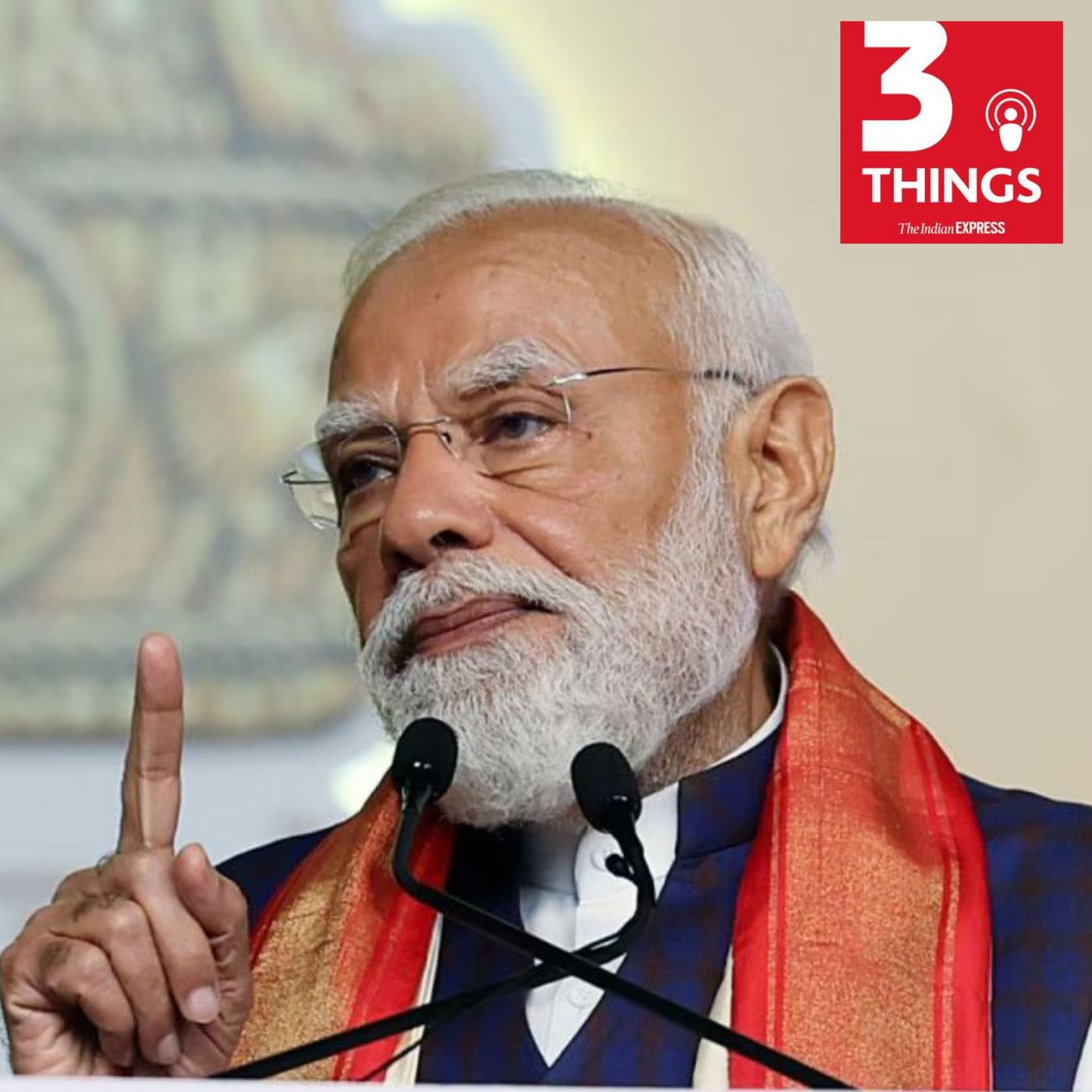
• Call for Reduced Fuel Consumption: Prime Minister Narendra Modi is urging citizens to reduce their consumption of petroleum products. This appeal, made during events in Hyderabad and Vadodara, includes suggestions like allowing work-from-home for government and private sector employees and increased use of public transport and electric vehicles. The underlying reason is the government’s concern about India’s depleting foreign exchange reserves due to global oil price volatility, exacerbated by the ongoing conflict in Iran.
• Maternal Mortality Crisis in Rajasthan: Two tragic cases of maternal deaths in Kota, Rajasthan, highlight systemic failures in healthcare. Women reportedly died due to postpartum complications following C-sections, with one case involving a pregnant woman experiencing kidney and liver failure. These incidents have led to an investigation by the Rajasthan health department, suspending doctors and nurses and prompting an independent inquiry by an AIIMS Delhi team.
• Challenges in Maternal Healthcare: Further details reveal systemic issues in Kota’s hospitals, with allegations of delayed treatment, insufficient medical equipment, and a general lack of critical care capacity. Reports indicate that even as the government assures investigations and promises improvements, families are left distraught and skeptical, losing faith in the public healthcare system due to these repeated, preventable tragedies.
• Foreign Exchange Reserves and Economic Strategy: The episode explains the concept of foreign exchange reserves as a nation’s savings, crucial for managing imports and currency stability. India’s reserves have sharply declined due to the ongoing geopolitical crisis, impacting the rupee’s value. The government’s appeal to reduce fuel consumption aims to conserve these reserves, though experts question the long-term effectiveness of such measures without addressing fundamental issues like attracting foreign investment and boosting exports.
• Policy Shift on Citizenship and Welfare: The BJP governments in West Bengal and Bihar have stated that individuals removed from electoral rolls during a special intensive revision will not be eligible for government schemes. This move, linked to the Citizenship Amendment Act (CAA), suggests a stricter approach to citizenship verification and raises concerns about the potential disenfranchisement of certain communities.
💡 Key Insights & Memorable Moments
- Counterintuitive Advice: The call for reduced fuel consumption, while seemingly logical for resource conservation, is highlighted as potentially detrimental to economic growth in the short to medium term.
- Deteriorating Trust: The maternal mortality cases in Rajasthan underscore a concerning erosion of trust in the public healthcare system, particularly for vulnerable populations.
- “We are a large economy, but a poor country.”: This stark statement emphasizes the complex economic reality India faces, where growth figures mask underlying issues of poverty and limited resources for essential services.
- “The problem is not how much oil we are using in our food right now. The problem is the capital flows have deserted us.”: This quote points to a deeper systemic issue in India’s economy, focusing on the decline in foreign investment rather than immediate consumption patterns.
🎯 Way Forward
- Strengthen Public Healthcare Infrastructure: Invest significantly in upgrading public hospitals, particularly in rural and underserved areas, to ensure adequate critical care capacity and skilled personnel, addressing the root causes of maternal mortality.
- Enhance Transparency in Investigations: Expedite and publicize the findings of investigations into maternal deaths, providing clear accountability and actionable steps to prevent future tragedies, thereby rebuilding public trust.
- Diversify Energy Sources and Reduce Reliance on Imports: Develop and promote renewable energy sources aggressively, alongside improving energy efficiency across sectors, to mitigate the impact of volatile global oil prices on foreign exchange reserves.
- Foster Foreign Direct Investment (FDI): Implement policies that create a stable and attractive environment for foreign investors, focusing on ease of doing business and long-term economic prospects to bolster capital account surplus.
- Ensure Inclusive Welfare Policies: Review citizenship and welfare policies to ensure they are implemented equitably and do not disenfranchise vulnerable populations, while maintaining robust national security and verification processes.