
🎯 Core Theme & Purpose
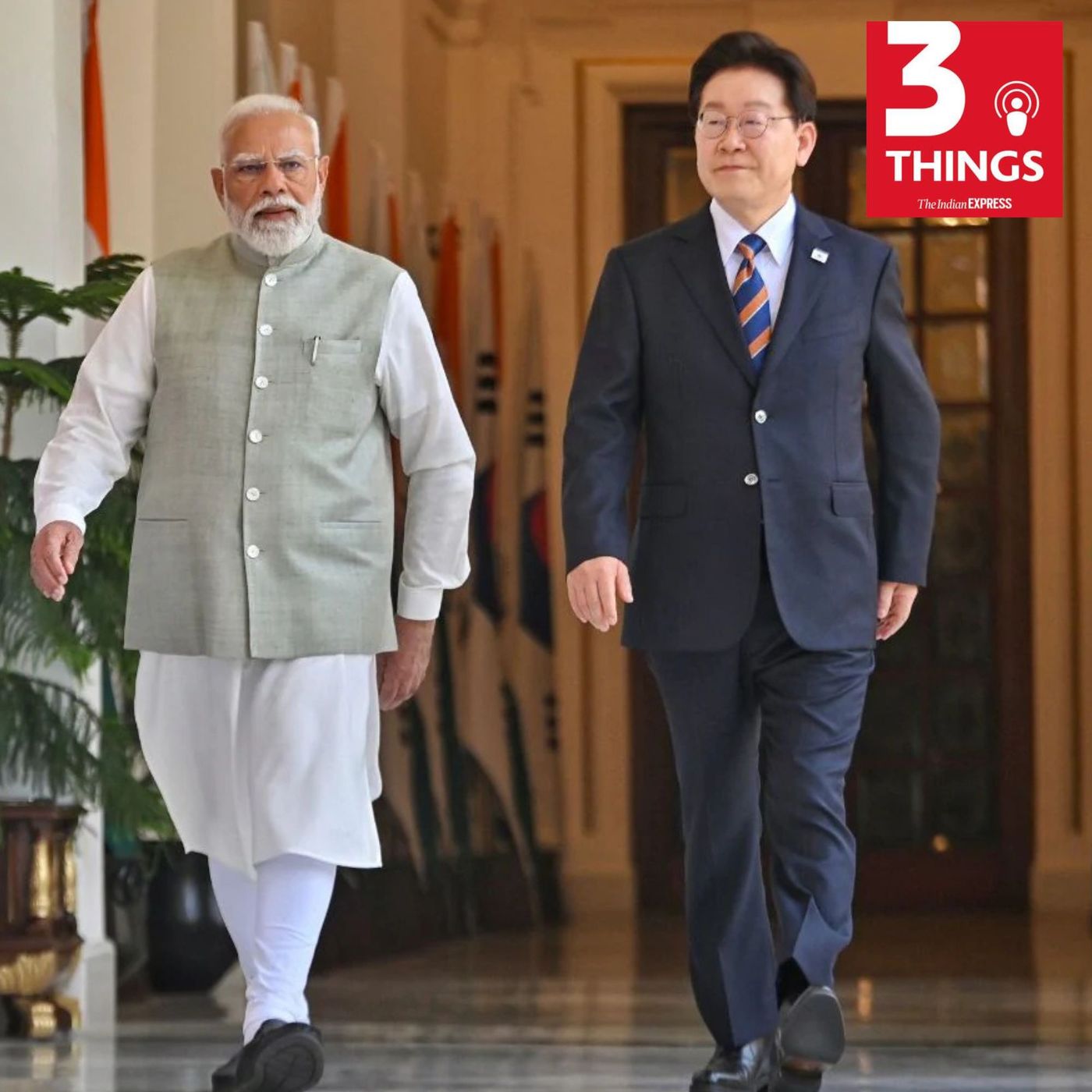
This episode delves into the multifaceted relationship between India and South Korea, focusing on recent high-level diplomatic exchanges and their implications. It highlights the deepening economic, cultural, and strategic ties, underscored by the South Korean President’s visit to India. The discussion is particularly relevant for policymakers, business leaders, and individuals interested in international relations and the growing geopolitical influence of both nations.
📋 Detailed Content Breakdown
• South Korean President’s Visit to India: The visit marked a significant milestone, being the first by a South Korean head of state in eight years, aiming to strengthen bilateral ties. It focused on enhancing cooperation in trade, technology, shipbuilding, and cultural exchange, signaling a commitment to deepening strategic partnership.
• Historical Roots of India-South Korea Relations: The relationship has deep historical connections, tracing back to early links between royal lineages and the influence of Rabindranath Tagore’s works in Korea. This historical foundation provides a rich backdrop for the contemporary strategic partnership.
• Economic Partnership and Trade Growth: The Comprehensive Economic Partnership Agreement (CEPA), in effect since 2010, has significantly bolstered economic engagement. Bilateral trade has grown substantially, with a notable increase in India’s imports from South Korea, indicating strong demand for Korean products.
• Cooperation in Emerging Technologies: Discussions covered potential collaborations in cutting-edge sectors like Artificial Intelligence (AI), semiconductors, and Information Technology (IT). The establishment of the India-Korea Digital Bridge is aimed at facilitating smoother financial flows and strengthening business ties in these crucial areas.
• Cultural Exchange and Soft Power: The rising popularity of K-pop, K-dramas, and Korean cuisine in India has fostered significant cultural exchange. South Korea plans to establish a cultural center in Mumbai to further promote these soft power initiatives.
• Security Challenges and Counter-Terrorism: The Palgam attack was discussed as a wake-up call, highlighting the vulnerability of tourist areas to terrorist threats. This incident has prompted a re-evaluation of security strategies, leading to increased surveillance, drone monitoring, and the establishment of temporary operating bases in vulnerable regions.
💡 Key Insights & Memorable Moments
- The deep historical and cultural connections between India and South Korea provide a strong foundation for their modern-day strategic partnership.
- South Korea is a significant investor in India, and the CEPA agreement has been instrumental in boosting bilateral trade, which is targeted to reach $50 billion by 2030.
- “We will have to secure the higher reaches of the mountain… that is why 43 temporary operating bases across the higher reaches of Pir Panjal have been established in the past one year.” - This quote underscores the shift in security strategy from controlling roads to monitoring infiltration routes.
- The Palgam attack exposed a critical intelligence and security gap, forcing a rethink of how security is managed in tourist-heavy regions, moving from a reactive to a more proactive and comprehensive surveillance approach.
🎯Way Forward
- Strengthen Joint R&D in Advanced Technologies: Both nations should focus on collaborative research and development in AI, semiconductors, and IT to foster innovation and create a competitive edge in the global market. This is crucial for future economic growth and technological leadership.
- Enhance Bilateral Trade Target and Diversification: Efforts should be made to not only meet the $50 billion trade target by 2030 but also to diversify the trade basket beyond traditional sectors, exploring new avenues for mutual benefit. This will create a more resilient economic partnership.
- Deepen Cultural Exchange Programs: Continued promotion of cultural initiatives, including K-pop, K-dramas, and Korean film festivals, will further strengthen people-to-people connections and foster greater understanding and goodwill between the two populations. This builds a strong base of mutual appreciation.
- Implement Robust Counter-Terrorism Strategies: The lessons learned from the Palgam attack should inform a comprehensive approach to security, incorporating advanced technology and intelligence sharing to effectively counter infiltration and protect civilian areas, ensuring the safety of citizens and tourists.
- Address Political Rhetoric Impact on Diplomacy: Both sides need to be mindful of the impact of political statements on bilateral relations, as exemplified by the recent controversy involving K’s remarks, ensuring that diplomatic discourse remains constructive and does not undermine strategic cooperation.