
🎯 Core Theme & Purpose
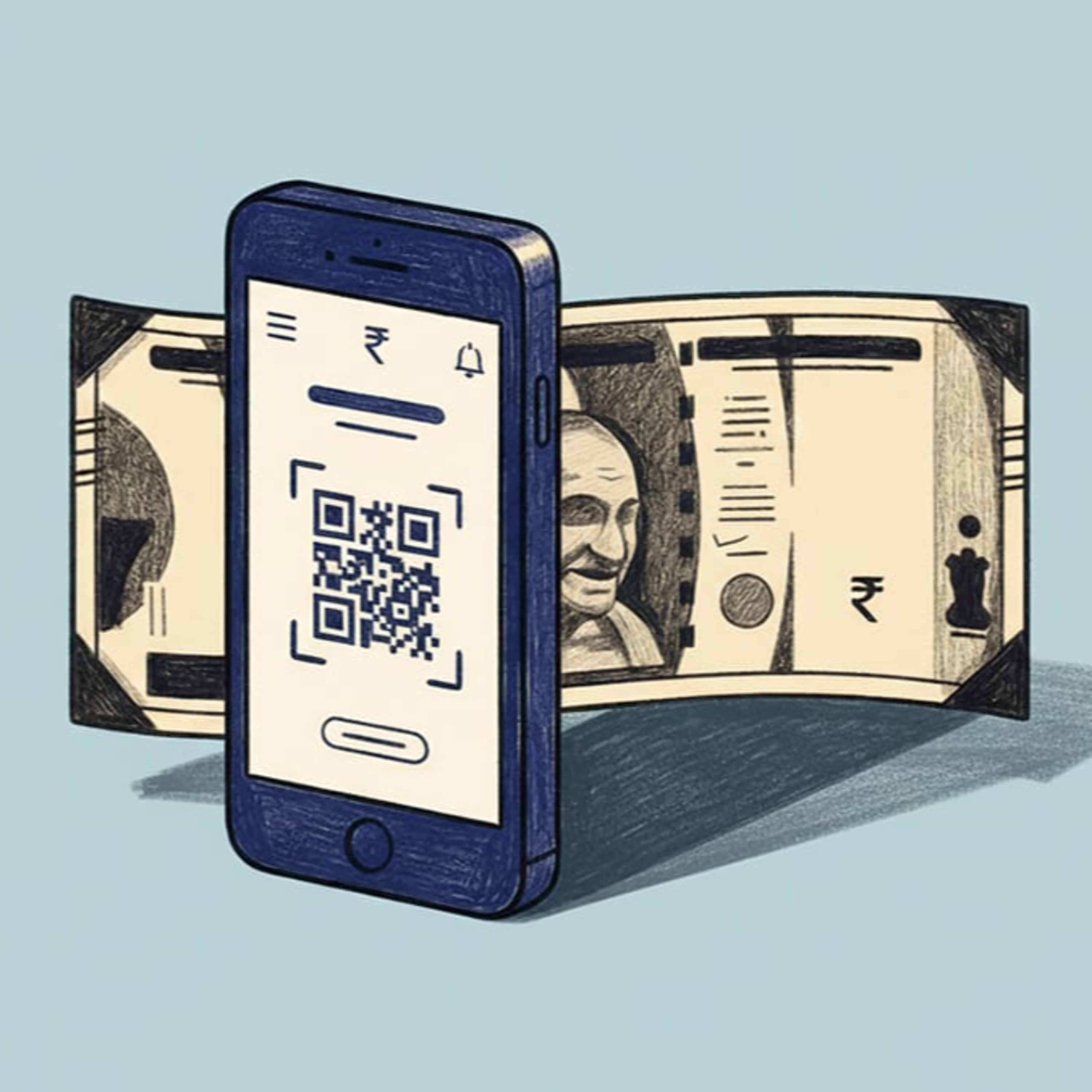
This episode delves into the intriguing paradox of India’s economy: while digital payments have surged, the circulation of physical cash has also risen. It explores the underlying reasons for this phenomenon, dissecting economic trends and consumer behavior. This analysis is particularly beneficial for economists, financial analysts, business owners operating in India, and anyone interested in understanding the evolving landscape of monetary transactions in emerging economies.
📋 Detailed Content Breakdown
• India’s Cash Paradox: Despite the explosive growth of digital payment platforms like UPI, the total amount of physical currency in circulation in India has continued to increase significantly. This counterintuitive trend challenges the expectation that digital adoption would lead to a decline in cash usage.
• Post-Demonetization Digital Surge: Following the demonetization event in 2016, UPI transactions rapidly gained traction, with businesses and consumers embracing digital payment solutions. India has since emerged as a leading global market for digital payments, driven by the widespread adoption of UPI.
• Sustained Cash Demand Drivers: Several factors contribute to the persistent demand for physical cash. These include the impact of GST notices encouraging cash transactions in certain regions, the behavioral shift when interest rates fall, and the role of gold as a store of wealth that is increasingly being leveraged.
• Cash to GDP Ratio Decline: While the absolute amount of currency in circulation has grown, its share relative to India’s GDP has actually fallen. This indicates that while cash is being used more, the economy’s overall size is growing even faster, leading to a decrease in cash intensity.
• Role of High-Value Notes: Even after the withdrawal of the ₹2,000 note, the ₹500 note has become the highest denomination in circulation and plays a dominant role in the cash economy. This note’s increased circulation suggests it’s filling the void and remaining a significant medium for transactions.
• Cash as a Store of Value and Buffer: Physical cash continues to serve important functions beyond daily transactions. It acts as a store of value, a buffer for unexpected expenses, and a medium for transactions in areas not yet fully integrated into the digital ecosystem.
💡 Key Insights & Memorable Moments
• The coexistence of booming digital payments and rising physical cash circulation is a complex economic dynamic not easily explained by a simple linear progression towards a cashless society. • “When interest rates fall, the difference between holding money in the bank and holding it as cash becomes much smaller. And when that happens, people simply don’t mind keeping some extra cash on hand.” This quote highlights a key behavioral driver for increased cash hoarding. • The increase in cash withdrawal volumes following GST notices in specific districts points to a localized, yet significant, shift back towards cash for certain business transactions. • Households leveraging gold as a store of wealth is a critical, often overlooked, factor contributing to the cash economy, as gold loans provide liquidity. • A significant portion of UPI transactions are for small, everyday purchases, suggesting that cash still dominates larger value transactions or is preferred for its tangibility in certain segments.
🎯 Way Forward
- Monitor Dual Economy Trends: Businesses and policymakers must continue to monitor both digital payment adoption and physical cash circulation, recognizing that a dualistic payment ecosystem will likely persist. This is crucial for effective monetary policy and financial inclusion strategies.
- Adapt Business Models: Businesses, especially those catering to a diverse customer base, should maintain flexible payment acceptance policies, accommodating both digital and cash payments to maximize reach and customer satisfaction. This ensures no segment of the market is excluded.
- Leverage Cash for Financial Inclusion: Explore how physical cash can be strategically used in conjunction with digital initiatives to expand financial inclusion in remote or underbanked areas. This involves understanding how cash can be a bridge to digital adoption.
- Understand Behavioral Economics: Further research into the behavioral economics driving cash preference, especially during periods of low interest rates or economic uncertainty, can inform better financial product design and public communication. This is key to anticipating future trends.
- Focus on High-Value Note Management: The Reserve Bank of India should continue to manage the denominations and supply of high-value notes strategically, balancing their utility with the push towards digital. This helps in managing the overall liquidity and flow of money in the economy.