
🎯 Core Theme & Purpose
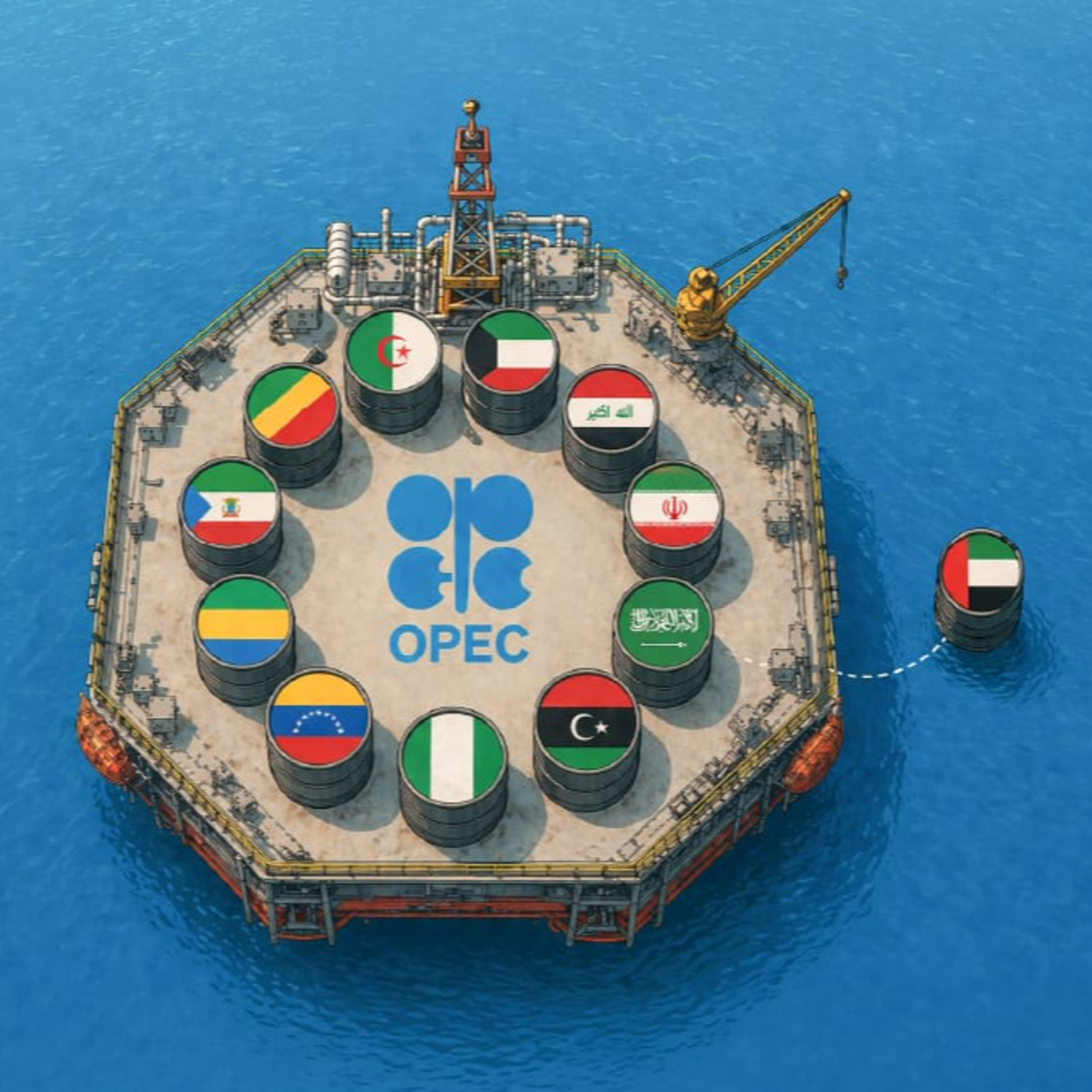
This episode delves into the UAE’s significant decision to withdraw from OPEC, examining the underlying causes and implications for the oil cartel’s future influence. It explores how shifting market dynamics, particularly the rise of US shale, and internal organizational friction have eroded OPEC’s control. The analysis is beneficial for energy market analysts, policymakers, and anyone interested in the geopolitical landscape of oil production.
📋 Detailed Content Breakdown
• UAE’s Exit from OPEC: The United Arab Emirates is leaving OPEC, a move that signals a potential shift in the global oil power balance. This departure, while perhaps not entirely unexpected, underscores the growing internal pressures and external market changes affecting the organization.
• Erosion of OPEC’s Power: For decades, OPEC has acted as a cartel, regulating global oil supply and influencing prices. However, the rise of non-OPEC producers, particularly US shale oil, has fundamentally altered the market. Shale’s flexibility in production, ramping up and down quickly in response to price changes, has challenged OPEC’s traditional control over supply.
• Internal Disagreements and Conflicting Interests: OPEC has faced increasing internal friction due to divergent interests among its members. Some nations, like Venezuela and Nigeria, desperately need high oil prices to fund their economies, while others, like the UAE, with diversified economies, might prefer higher production at moderate prices. This divergence has led to persistent disagreements over production quotas and has weakened the group’s ability to act cohesively.
• The Rise of US Shale and Market Dynamics: The emergence of US shale oil has been a game-changer. Unlike traditional oil projects requiring significant lead times and investment, shale production can be scaled rapidly. This flexibility means that whenever OPEC attempts to curb supply to boost prices, US shale producers can quickly fill the gap, undermining OPEC’s efforts.
• Shifting Energy Landscape and Future Outlook: The global push towards renewable energy and the rapid adoption of electric vehicles are creating long-term uncertainties for oil demand. This trend makes adherence to production ceilings less appealing for countries seeking to maximize current oil revenue. The UAE’s move can be seen as a strategic decision to gain flexibility in its own production capacity to meet future market demands.
💡 Key Insights & Memorable Moments
• The rise of US shale oil has fundamentally “rewritten the rulebook” for the oil market, introducing a highly responsive supply source that counteracts OPEC’s traditional supply-cutting tactics. • “OPEC has been steadily fracturing” due to conflicting economic needs and strategic goals of its member states, making unified action increasingly difficult. • The UAE’s departure is framed not as a defeat, but as a strategic move towards maximizing its own production potential before the energy transition makes oil less central. • The departure signifies that “working together becomes optional rather than necessary” for some members, highlighting the weakening cohesive force of the cartel.
🎯 Way Forward
- Diversify Energy Portfolios: Nations heavily reliant on oil revenue, both within and outside OPEC, must accelerate diversification strategies to reduce vulnerability to oil price volatility and the long-term decline in demand. This matters for economic stability and future resilience.
- Adapt OPEC’s Role or Structure: For OPEC to retain relevance, it needs to fundamentally rethink its mandate, possibly shifting focus from rigid supply quotas to market intelligence, coordination on industry standards, or facilitating a managed transition away from fossil fuels. This matters for its continued influence on global energy policy.
- Embrace Technological Agility in Production: Countries and companies should prioritize exploring and developing production methods (like shale, but with environmental considerations) that allow for rapid scaling of output in response to market signals, increasing competitiveness. This matters for market responsiveness and profitability.
- Foster Geopolitical Diplomacy in Energy: Given the UAE’s move and potential future departures, increased diplomatic efforts are needed to ensure global energy market stability. This involves dialogue not just on supply, but also on energy security and the pace of the energy transition.