
🎯 Core Theme & Purpose
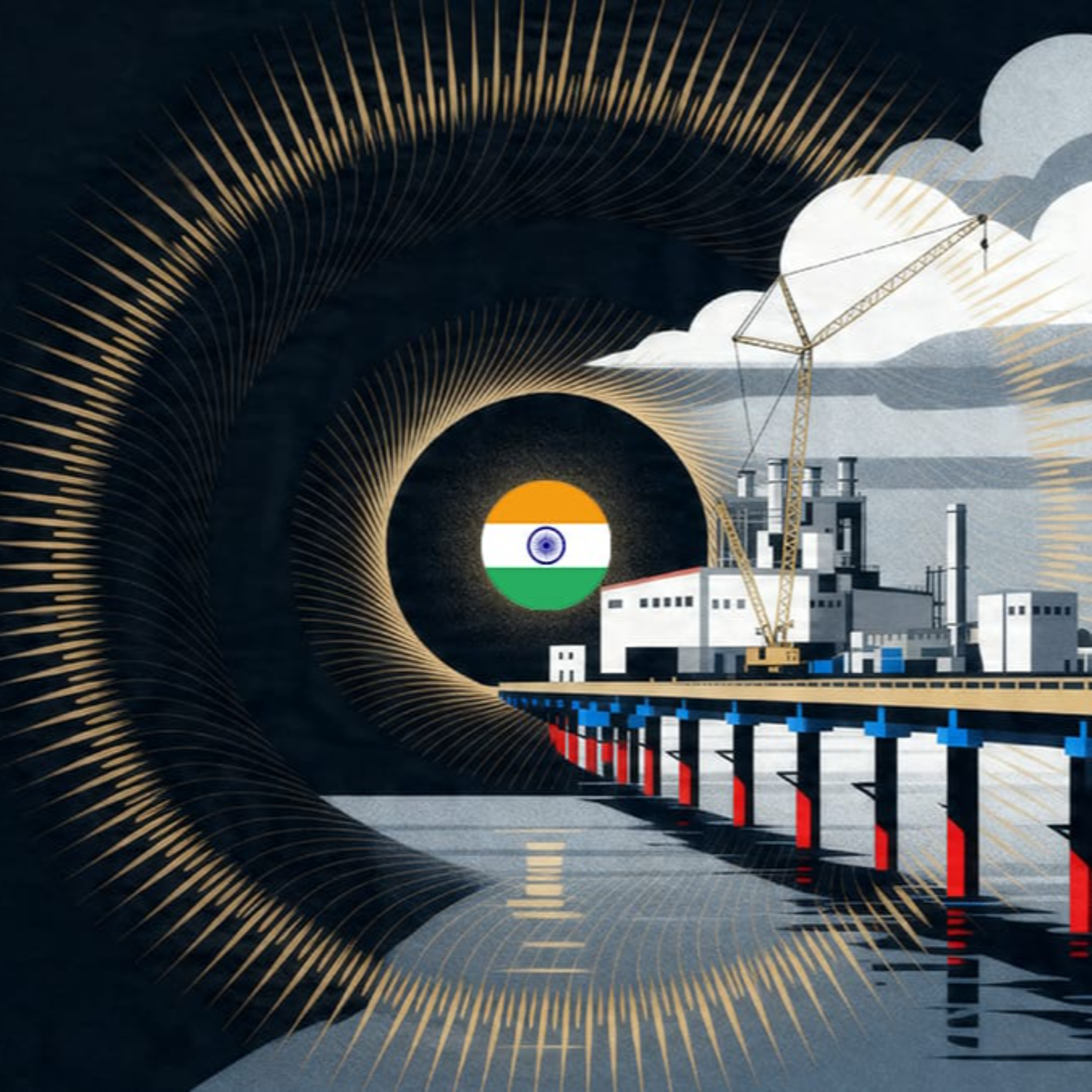
This episode delves into India’s monumental achievement in successfully demonstrating criticality in its first-ever prototype Fast Breeder Reactor (FBR) at Kalpakkam. It explores the strategic rationale behind this multi-stage nuclear program, highlighting the shift from uranium dependence to harnessing indigenous thorium reserves. This content is particularly beneficial for energy policy enthusiasts, nuclear technology stakeholders, and anyone interested in India’s journey towards energy self-sufficiency.
📋 Detailed Content Breakdown
• Homi J. Bhabha’s Vision and Thorium Potential: India’s nuclear program, conceived by Homi J. Bhabha, aimed for energy independence, recognizing the country’s limited uranium but vast thorium reserves (25% of global total). This foresight laid the groundwork for a unique three-stage nuclear strategy to leverage this abundant resource.
• The Three-Stage Nuclear Program: The program is structured in three phases: Stage 1 uses Pressurized Heavy Water Reactors (PHWRs) to generate electricity and produce plutonium; Stage 2 involves Fast Breeder Reactors (FBRs) that produce more fuel than they consume; and Stage 3 focuses on Thorium-based reactors, unlocking India’s thorium reserves for long-term energy needs.
• Challenges in FBR Development: Developing FBRs, especially those using plutonium fuel, presented significant hurdles. Countries like the US, Japan, and France faced cost overruns, safety concerns, and technical complexities, leading to abandonment or scaling back of their own FBR programs.
• India’s Breakthrough with Prototype FBR: India’s prototype FBR at Kalpakkam achieved criticality, a crucial milestone where the reactor becomes self-sustaining. This demonstrates the successful implementation of the second stage of its nuclear program, a feat that has eluded many other nations.
• Significance of Achieving Criticality: Criticality signifies that the reactor’s chain reaction is controlled and self-sustaining without external intervention. This breakthrough is not just a scientific validation but a critical step towards India’s long-term energy security and reduced reliance on imported fuels.
• The Economics and Future of Nuclear Power: While scientific criticality is achieved, economic viability remains a key challenge for nuclear power globally. India’s success in FBRs could pave the way for a more sustainable and indigenous nuclear fuel cycle, complementing intermittent renewables.
💡 Key Insights & Memorable Moments
• The strategic brilliance of Homi J. Bhabha’s long-term vision to harness India’s vast thorium reserves, despite limited uranium, stands out as a cornerstone of the nation’s energy policy. • The revelation that many developed nations, including the US and Japan, struggled with or abandoned their FBR programs due to cost and technical issues, underscores the magnitude of India’s achievement. • “Criticality is just the beginning… it doesn’t prove the economics.” This statement highlights the crucial next step for India’s nuclear program: ensuring cost-effectiveness alongside technological advancement. • The analogy comparing control rods to brakes on a car effectively illustrates the delicate process of achieving and maintaining criticality in a nuclear reactor.
🎯 Way Forward
- Scale-up FBR Technology: India must move beyond the prototype and focus on building a fleet of commercially viable FBRs to fully utilize their fuel-breeding capabilities. This is crucial for reducing reliance on imported uranium.
- Develop Thorium Fuel Cycle: Accelerate research and development for Stage 3 thorium reactors, which will unlock India’s most abundant indigenous nuclear fuel source, ensuring long-term energy security.
- Enhance Nuclear Safety Protocols: Given the use of liquid sodium as a coolant in FBRs, continuous investment in advanced safety monitoring and mitigation systems is paramount to prevent incidents and maintain public trust.
- Integrate Nuclear with Renewables: Strategically integrate nuclear power from FBRs and future thorium reactors into the national grid to provide baseload power, complementing intermittent sources like solar and wind, thereby creating a robust and diversified energy mix.
- Foster International Collaboration and Knowledge Sharing: While pursuing self-reliance, selective collaboration on advanced reactor designs and safety standards can accelerate progress and address complex technical challenges more efficiently.