
🎯 Core Theme & Purpose
This episode delves into critical issues facing global health and national security, exploring the significant Hantavirus outbreak on a cruise ship and India’s strategic push towards domestically produced Artificial Intelligence for defense. It highlights the potential of sports initiatives in empowering underprivileged youth, showcasing the journey of two young sailors representing India. The discussion offers valuable insights for public health officials, policymakers, defense strategists, and anyone interested in youth empowerment through sports.
📋 Detailed Content Breakdown
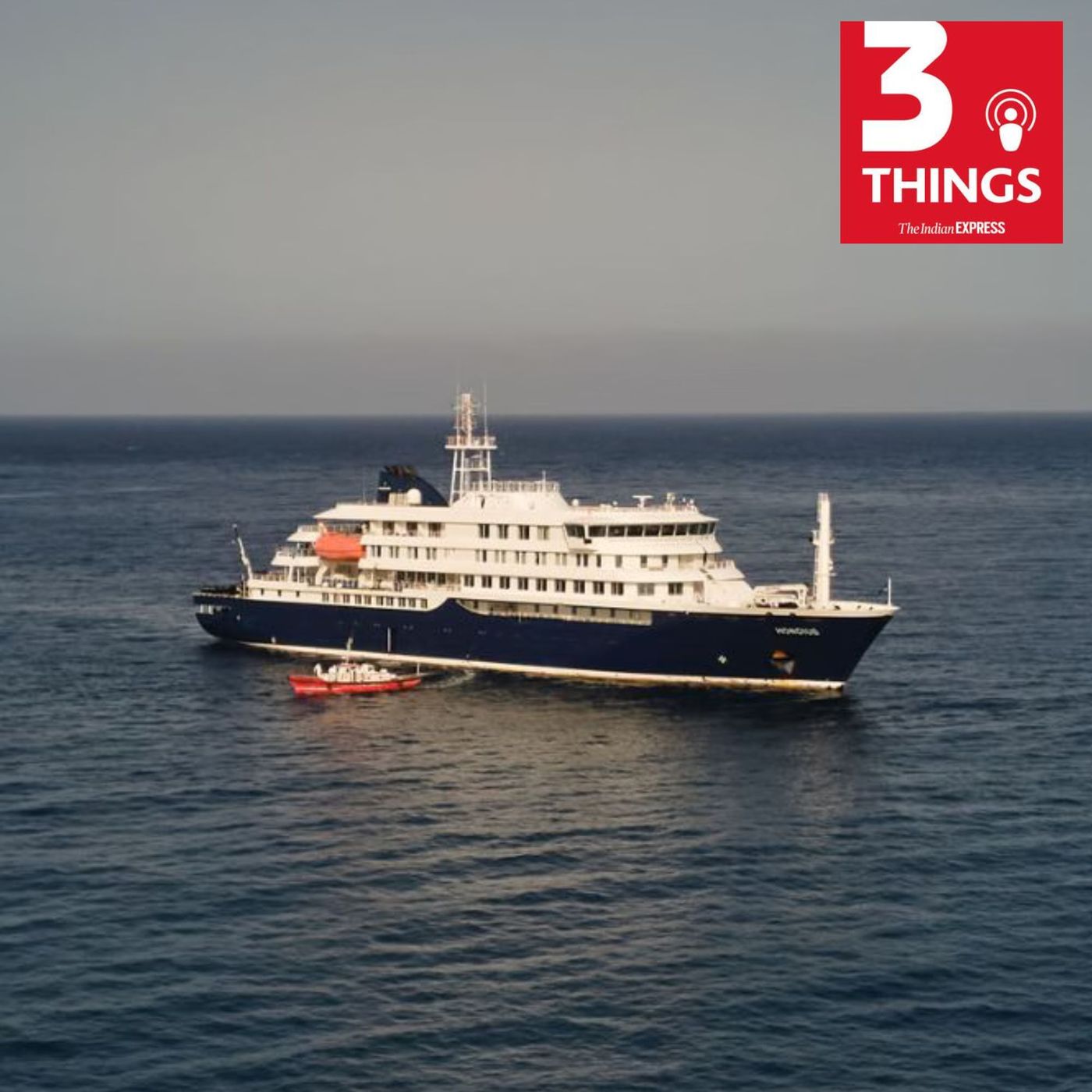
• Hantavirus Outbreak on a Cruise Ship: At least three people have died and several others aboard the MV Hondeius cruise ship have shown symptoms linked to Hantavirus. The virus, carried by rodents, can cause pulmonary syndrome or hemorrhagic fever with renal syndrome. The outbreak underscores the potential for rapid international spread given the ship’s diverse passenger manifest.
• India’s Drive for Domestic AI in Defense: The Indian Defense establishment recognizes a critical need for domestically manufactured AI systems for military use. This initiative is partly driven by evaluating AI’s role in ongoing conflicts, aiming to reduce reliance on foreign technology and enhance strategic autonomy. The focus is on developing AI that can aid in surveillance, reconnaissance, and target acquisition.
• The Power of ‘Project Navika’ in Youth Empowerment: This initiative aims to train children from underprivileged backgrounds in sailing, an elite sport, providing them with opportunities that were previously inaccessible. Project Navika has successfully introduced over a thousand young individuals to sailing, with some achieving notable success in junior competitions and securing jobs in defense sectors, demonstrating a pathway out of poverty.
• Two Young Sailors Representing India: Lahreni Kumravalli and Suragini Eva, from humble backgrounds in Telangana, are set to represent India in the youth sailing category at the Asian Games. Their journey, supported by Project Navika, highlights how targeted programs can break down socio-economic barriers and foster talent in niche sports. Their story serves as an inspiration for other aspiring athletes from similar backgrounds.
• Hantavirus: Symptoms, Transmission, and Risk: Hantavirus infections typically present with flu-like symptoms, which can progress to severe respiratory issues like pneumonia or lead to hemorrhagic fever and kidney damage. Transmission occurs through contact with rodent urine, feces, or saliva, or by inhaling aerosolized virus particles. The incubation period can range from one week to up to eight weeks, making containment challenging.
• AI for Defense: Strategic Independence and Capabilities: India’s push for domestic AI in defense is driven by the need for strategic independence and the recognition of AI’s battlefield efficacy demonstrated in conflicts. While large-scale AI models from foreign powers exist, India is focusing on developing smaller, tailored AI solutions for specific defense applications like surveillance and target recognition, leveraging Indian companies like Sarvam AI and Bharat Jain.
💡 Key Insights & Memorable Moments
• The alarming Hantavirus outbreak on the MV Hondeius cruise ship highlights the vulnerability of enclosed environments to infectious disease transmission and the potential for rapid global spread. • “We need to be able to steer or control the sails… that is something that can be replicated.” This quote emphasizes the transferable skills and mental fortitude developed through sailing, suggesting the model’s potential applicability to other sports. • The journey of Lahreni Kumravalli and Suragini Eva exemplifies how dedicated programs like Project Navika can create pathways to elite sports and stable careers for underprivileged youth, offering a tangible route out of poverty. • India’s strategic imperative to develop indigenous AI for defense is significantly influenced by observing AI’s effectiveness in recent global conflicts, underscoring a shift towards self-reliance in critical technological domains. • The long incubation period of Hantavirus (up to eight weeks) presents a significant challenge for public health management, requiring extended monitoring and isolation protocols.
🎯 Way Forward
- Invest in Proactive Public Health Surveillance: Enhance global and national surveillance systems to detect and respond to emerging infectious diseases like Hantavirus promptly, especially in high-risk environments like transportation hubs and cruise ships. This is crucial for preventing outbreaks from escalating into epidemics.
- Strengthen Indigenous AI Development Ecosystems: Continue to foster and invest in Indian AI companies and research institutions focused on defense applications, ensuring access to necessary computational resources like GPUs and promoting collaboration between academia and the military. This will be vital for achieving strategic autonomy and technological parity.
- Expand and Replicate Youth Empowerment Sports Initiatives: Scale up programs like ‘Project Navika’ to offer similar opportunities in sailing and other niche, high-cost sports to underprivileged youth across India. This empowers individuals, provides alternative career paths, and cultivates national talent.
- Focus on Foundational Skills and Adaptability in AI Defense: While advanced AI is crucial, prioritizing the development of foundational AI capabilities and focusing on adaptability for various defense scenarios will be key for India’s long-term strategic advantage. This includes training personnel to effectively utilize and integrate AI systems.
- Promote International Collaboration in Disease Preparedness: Share data and best practices globally to improve preparedness and response strategies for zoonotic diseases, learning from outbreaks like the one on the MV Hondeius. International cooperation is essential for managing transboundary health threats.