
🎯 Core Theme & Purpose
This episode delves into the far-reaching consequences of the West Asia conflict, particularly its impact on India’s industrial sector and supply chains. It highlights how geopolitical instability in the Gulf region is creating ripple effects, affecting fuel availability and leading to potential production disruptions. The discussion is crucial for industry leaders, policymakers, and anyone concerned with India’s economic resilience in the face of global crises.
📋 Detailed Content Breakdown
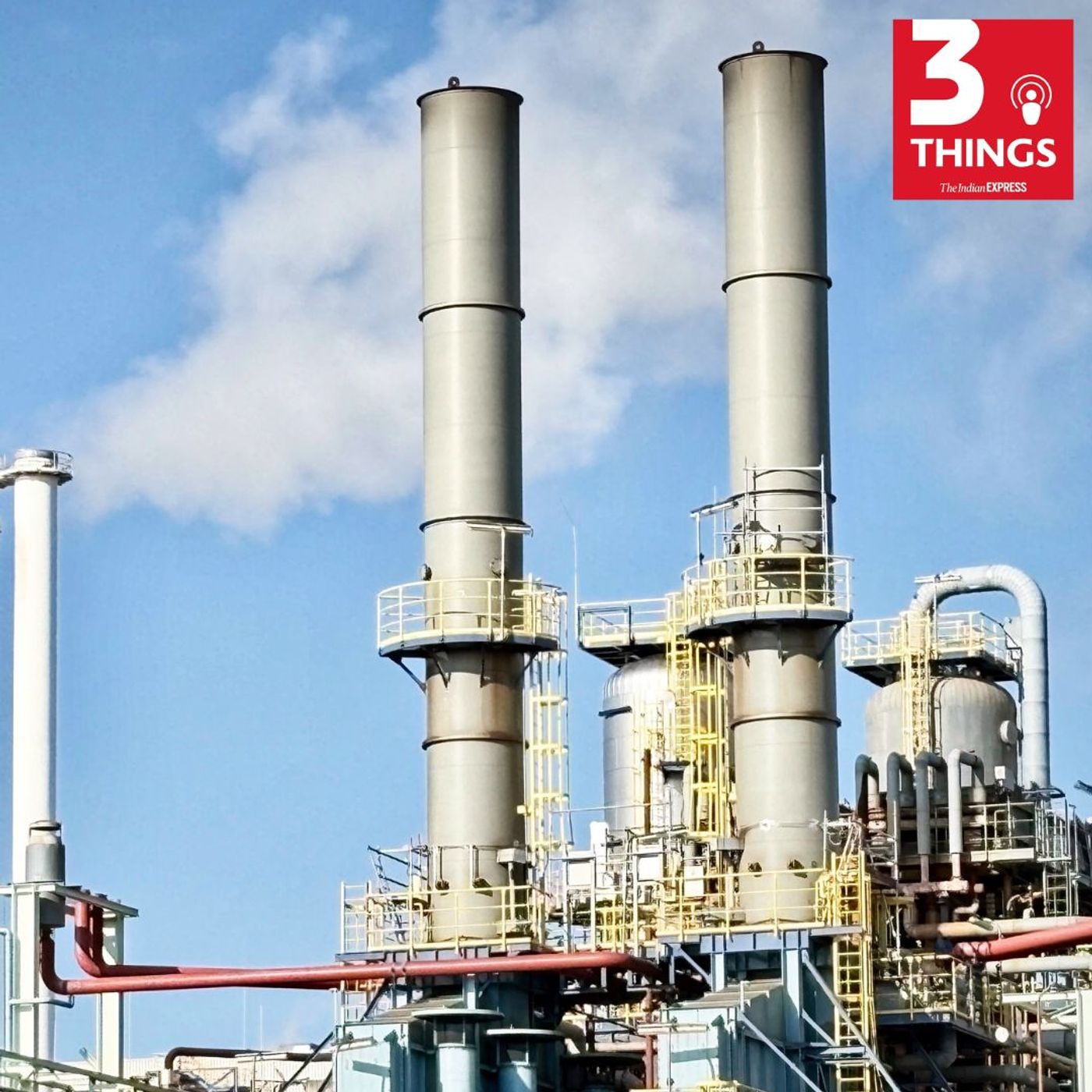
• Fuel Supply Disruptions and Gujarat’s Morbi Ceramic Hub: The conflict in West Asia has created a tangible impact on India’s fuel supply chains, with disruptions affecting the availability of commercial LPG and natural gas. This is particularly critical for Morbi, Gujarat, India’s largest ceramic manufacturing cluster, which relies heavily on these fuels to power its kilns. The hub, producing a diverse range of technical and industrial ceramic products for export, faces significant pressure due to these supply constraints.
• The Scale of Morbi’s Ceramic Industry: The Morbi ceramic cluster is substantial, housing between 1000 to 1200 factories. This industry is a significant contributor to India’s economy, with products exported to over 180 countries worldwide. The cluster’s reliance on LPG and natural gas, consuming approximately 55 lakh cubic meters of LPG daily, underscores its vulnerability to supply chain disruptions.
• Impact of Geopolitical Tensions on Fuel Supply: Tensions around the Strait of Hormuz and the broader West Asia conflict have directly led to a disruption in the supply of fuel to India. This has resulted in a “full-blown disturbance” affecting both propane and natural gas, with dwindling reserves and potential shutdowns looming for factories. The situation is exacerbated by government prioritization of domestic household gas needs over industrial supply during such crises.
• Challenges in Shifting Fuel Sources: Industries, including the ceramic sector in Morbi, cannot easily switch from propane to natural gas due to significant infrastructural and technical challenges. Converting kilns requires substantial investment and time, and even if possible, the current supply of natural gas is also constrained. Gujarat Gas Limited, a key supplier, has had to cut supplies to industrial users, leading to production halts in some cases.
• Legal Battle and the Right to Be Forgotten: A sitting judge from the Supreme Court of Sri Lanka, **Justice ** A. H. M. D. Nawaz, has filed a case in the Karnataka High Court against Google India and two Sri Lankan news portals. He seeks the removal of allegedly defamatory articles published online, invoking the fundamental right to privacy and the “right to be forgotten.” This legal action highlights the growing global discourse around online reputation management and the challenges of historical information permanence.
• Environmental Concerns in the Ganga River Basin: A recent audit by the Comptroller and Auditor General of India has raised serious concerns about the state of the Ganga river in Uttarakhand. Despite the Namami Gange program, the audit reveals that untreated sewage continues to enter the river, and many sewage treatment plants are failing to meet standards. Water quality has significantly deteriorated, particularly between Dev Prayag and Rishikesh, with alarming levels of coliform bacteria and a lack of proper governance and monitoring.
💡 Key Insights & Memorable Moments
- Counterintuitive Revelation: Despite extensive government programs and judicial oversight, the Ganga river’s water quality continues to deteriorate in critical stretches, indicating systemic governance and implementation failures rather than just pollution.
- Expert Opinion: Brendan Daby highlights the precarious situation of the Morbi ceramic hub, stating, “The consumption of propane is at an average of 55 lakh cubic meters per day used across 500 major units. This propane mostly comes from Qatar… Without fuel, nothing can happen here.”
- Legal Novelty: The involvement of a sitting Sri Lankan Supreme Court judge filing a defamation case in India, invoking the “right to be forgotten,” sets a significant precedent for international online defamation and privacy disputes.
- Striking Data Point: The audit report indicates that between Dev Prayag and Rishikesh, coliform bacteria levels increased 32-fold by October 2023, rendering the water unfit for drinking without extensive treatment and only suitable for outdoor bathing.
- Analogous Concern: The difficulty for Indian industries to switch between propane and natural gas highlights a broader issue of industrial supply chain inflexibility in the face of geopolitical shocks.
🎯 Way Forward
- Diversify Fuel Sources for Industrial Hubs: Invest in and incentivize the development of alternative fuel sources and energy-efficient technologies for critical industrial clusters like Morbi to reduce reliance on single-source imports. This matters for economic resilience and preventing production halts.
- Strengthen Regulatory Oversight and Enforcement: Implement robust monitoring mechanisms and enforce stricter penalties for non-compliance with environmental regulations for sewage treatment plants and industrial effluent discharge, particularly along the Ganga. This is crucial for ensuring water quality and public health.
- Establish Clearer International Legal Frameworks for Online Defamation: Develop more defined international protocols and legal avenues for addressing cross-border online defamation and reputational damage, potentially through mutual legal assistance treaties. This matters for protecting individuals’ rights in a globalized digital space.
- Promote Proactive Governance in Environmental Management: Governments must prioritize effective, transparent, and long-term planning for river basin management, including addressing pollution sources at their origin and ensuring timely connectivity and functional capacity of treatment infrastructure. This will ensure the long-term health of vital water resources.
- Facilitate Inter-Industry Fuel Sharing and Contingency Planning: Encourage industries to establish cooperative frameworks for fuel sharing during supply crises and develop robust contingency plans to mitigate the immediate impact of fuel shortages. This fosters collective resilience within the industrial sector.