
🎯 Core Theme & Purpose
This episode delves into critical issues impacting India’s economy and political landscape. It examines the financial strain on Indian oil marketing companies due to international price volatility, the assassination of a close aide to the West Bengal Chief Minister, and recurring bridge collapses in Bihar. The analysis is particularly relevant for policymakers, industry stakeholders, and citizens seeking a deeper understanding of these complex challenges and their potential far-reaching implications.
📋 Detailed Content Breakdown
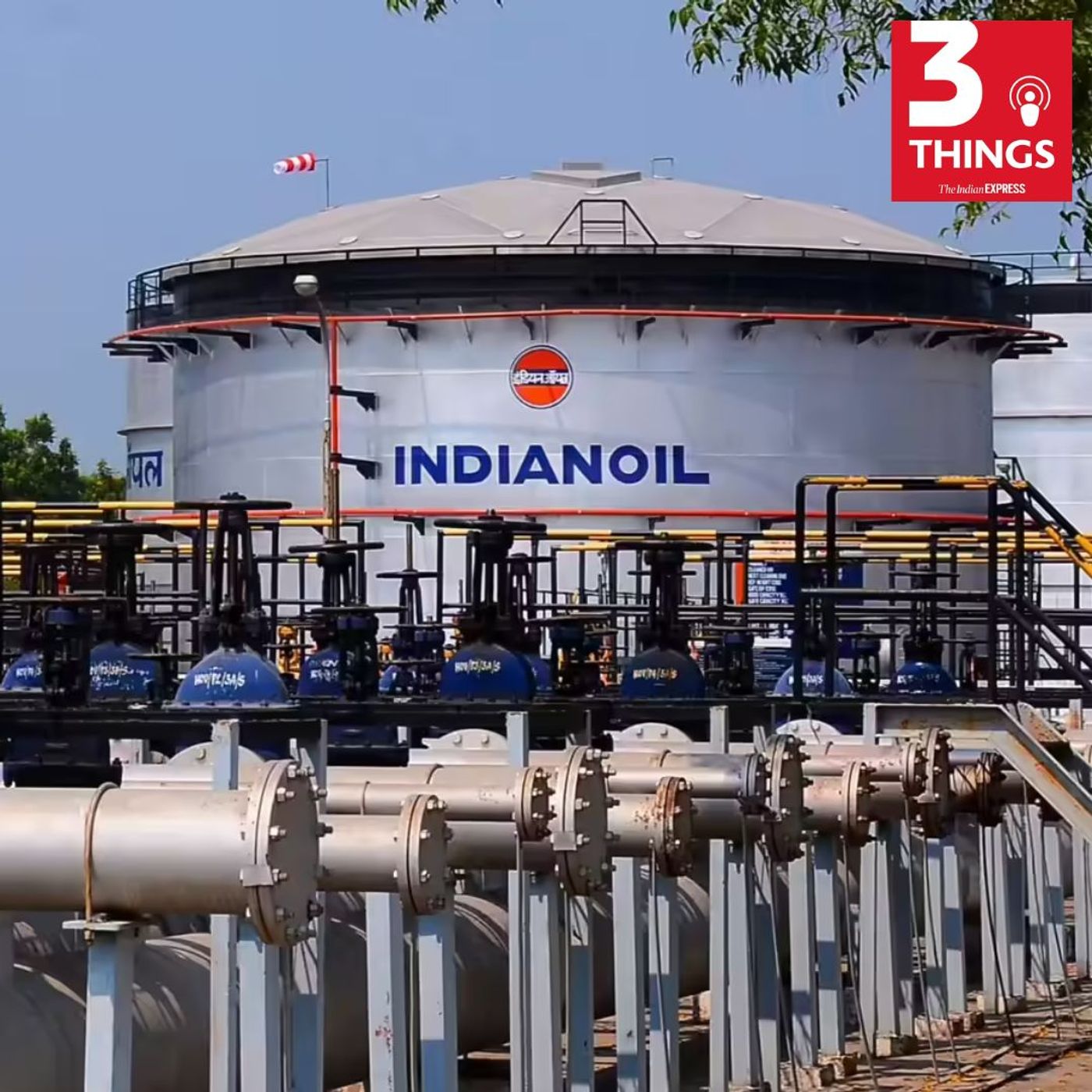
• Global Oil Price Surge and its Impact on India: The discussion highlights how the war in Iran and the closure of the Strait of Hormuz have led to a significant increase in global oil prices. While international prices have surged, retail fuel prices in India have remained stagnant for over four years. This has forced government-owned oil marketing companies to absorb substantial losses, estimated to be in the billions of dollars. • Assassination of a Political Aide in West Bengal: The episode details the murder of Chandranath Rath, a close aide to West Bengal Chief Minister Subhendu Adhikari. Rath was shot dead shortly after the assembly election results were announced. Investigators believe the assassination was a targeted, politically motivated act, possibly part of a larger conspiracy involving reconnaissance, fake vehicle registrations, and coordinated surveillance. • The Bihar Bridge Collapse Crisis: A significant portion of the episode focuses on the recurring bridge collapses in Bihar. The Vikramshila Bridge, a crucial 4.7 km structure over the Ganges, collapsed in two stages. Despite multiple warnings and detailed reports about its deteriorating condition over two years, these concerns were seemingly unaddressed. The repair bill has escalated dramatically, underscoring issues of infrastructure maintenance and oversight. • Economic Strain on Oil Companies: The episode explains that Indian oil marketing companies, despite being de-regulated, have maintained stable retail prices for an extended period. This strategy, while beneficial for consumers in the short term, has led to significant financial losses for companies like Indian Oil, Bharat Petroleum, and Hindustan Petroleum. The government’s approach seems to be a balancing act between consumer welfare and the financial health of these state-owned entities. • Political Ramifications and Post-Election Violence in Bengal: The assassination in West Bengal is situated within the context of post-election violence following the BJP’s victory, ending 15 years of TMC rule. The episode notes the tense political atmosphere, the arrest of individuals allegedly hired from outside the state, and the subsequent demand for a CBI probe by political parties.
💡 Key Insights & Memorable Moments
- Counterintuitive Pricing Strategy: The most striking insight is India’s decision to keep retail fuel prices unchanged for over four years despite a significant surge in global oil prices. This deliberate move, aimed at protecting consumers, has created immense financial pressure on state-owned oil companies, leading to billions in losses.
- Evidence of Premeditation in the Assassination: The detailed description of the assassination of Chandranath Rath, including the use of professional methods, fake registrations, and extensive surveillance, points towards a highly organized and premeditated act, suggesting a deeper conspiracy rather than a spontaneous crime.
- Systemic Failure in Infrastructure Oversight: The repeated bridge collapses in Bihar, despite numerous internal warnings about their poor condition over two years, highlight a critical systemic failure in infrastructure maintenance and regulatory oversight. The escalating repair costs following the Vikramshila Bridge collapse underscore the economic and safety implications of this neglect.
- “The problem is that the government has not only been raising prices, but it has also been raising prices on the prices of the prices of the prices,” a statement reflecting the complex and potentially unsustainable pricing mechanisms in the oil market.
- “We have seen at least 15 bridge collapses between 2022 and 2024 alone,” a statistic that starkly illustrates the scale of the infrastructure crisis in Bihar.
🎯Way Forward
- Implement Dynamic Fuel Pricing: Move towards a dynamic fuel pricing model that more accurately reflects global market fluctuations, thus reducing the burden of sustained losses on oil marketing companies and ensuring their long-term financial viability.
- Strengthen Infrastructure Monitoring and Accountability: Establish robust, independent oversight mechanisms for critical infrastructure projects, including rigorous inspection protocols and clear accountability frameworks for officials responsible for maintenance. Swift action should be taken on inspection reports to prevent future disasters.
- Investigate Political Violence with Impartiality: Ensure thorough and impartial investigations into all instances of post-election violence and political assassinations, regardless of party affiliation, to uphold the rule of law and restore public confidence.
- Promote Energy Efficiency and Diversification: Accelerate efforts towards energy efficiency and the diversification of India’s energy sources to reduce reliance on volatile international oil markets and mitigate future economic vulnerabilities.
- Foster Transparency in Public Procurement: Enhance transparency and accountability in all government procurement processes, particularly for large infrastructure projects, to prevent corruption and ensure that public funds are utilized effectively for national development.