
🎯 Core Theme & Purpose
This episode delves into the profound impact of the Middle East conflict on India’s export economy, highlighting the interconnectedness of global trade and regional instability. It examines how the disruption in the Strait of Hormuz, a critical chokepoint, reverberates through India’s leather, garment, and jewelry sectors. This analysis is crucial for Indian exporters, policymakers, and anyone interested in the ripple effects of geopolitical events on global supply chains.
📋 Detailed Content Breakdown
• Geopolitical Disruption and Trade Paralysis: The strait of Hormuz, a vital maritime artery, faces increased risk due to the ongoing Middle East conflict. This disruption directly impacts global oil shipments and, by extension, the cost and availability of raw materials essential for Indian industries. The situation is described as a “choke point” with far-reaching consequences.
• Impact on India’s Leather Industry: India’s leather sector, a significant export earner, relies heavily on petroleum-based inputs for chemicals and energy. The conflict exacerbates this vulnerability by driving up oil prices, increasing production costs, and potentially causing delays in obtaining raw materials from the Middle East. This leads to a double-digit increase in costs for manufacturers.
• Challenges for the Garment Sector: The Indian garment industry faces a dual challenge of rising costs and falling demand. Increased shipping freight, chemical prices, and fuel costs translate to higher production expenses. Simultaneously, geopolitical uncertainty and economic slowdown in key markets like Europe and the US lead to reduced consumer spending on non-essential items, impacting Indian exports.
• Jewelry Sector’s Exposure: India’s precious metals and stones export sector is particularly exposed due to its strong ties to Middle Eastern markets, which are significant buyers. The conflict-induced instability and potential shifts in consumer behavior in these regions have led to a sharp decline in jewelry exports, with some businesses experiencing a 50% drop in sales.
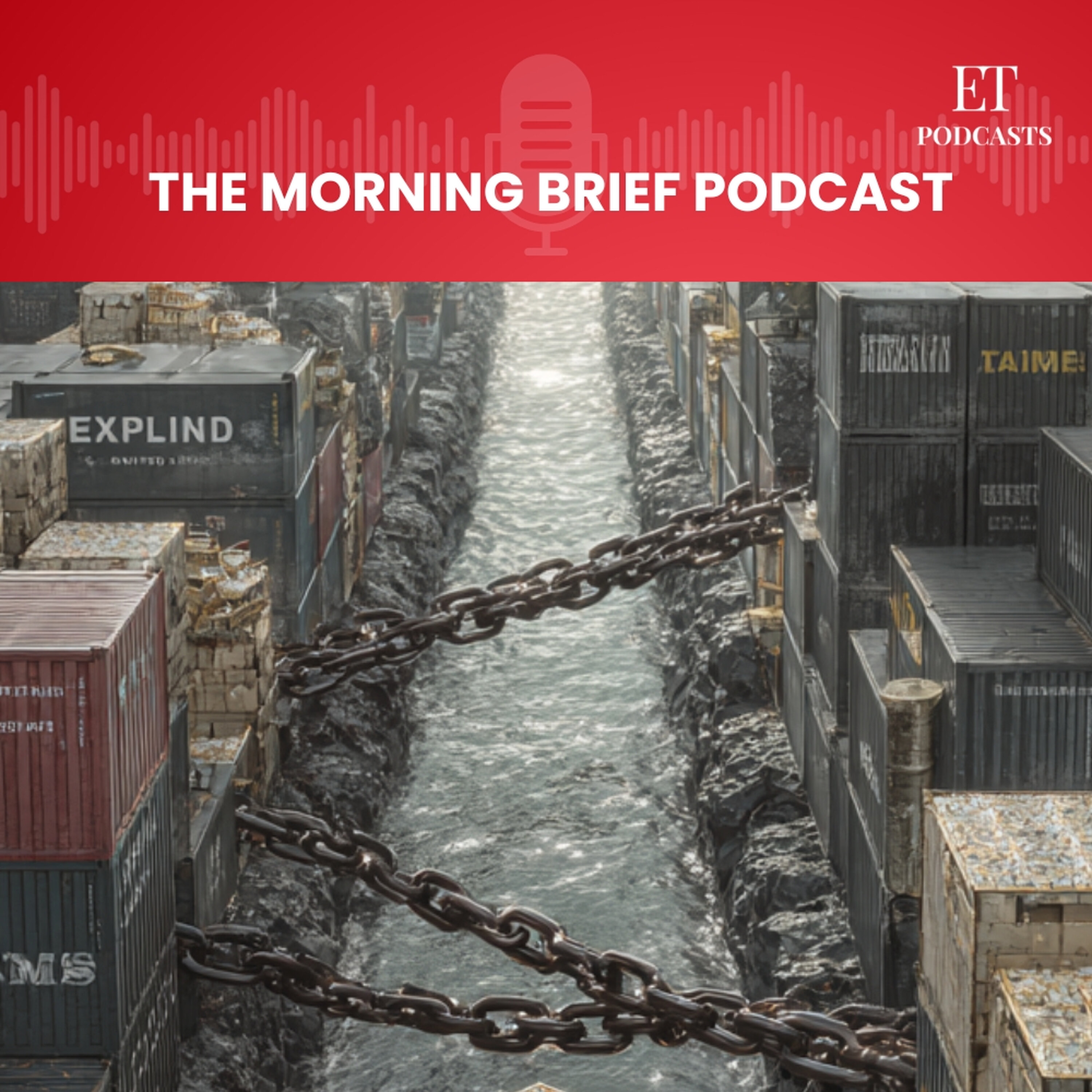
• The Strait of Hormuz as a Critical Chokepoint: This narrow waterway is crucial for global oil and LNG transport, with a significant portion heading to Asian markets. Any closure or severe disruption in the strait has immediate and cascading effects on energy prices, shipping costs, and the overall cost of doing business globally, impacting industries far from the immediate conflict zone.
• Economic Vulnerability of Indian MSMEs: Small and medium-sized enterprises (MSMEs) in India, which form the backbone of the export sector, are disproportionately affected. They often have thin profit margins, limited working capital, and are heavily reliant on timely payments. Disruptions in shipping and payment cycles can cripple these businesses, leading to potential closures.
💡 Key Insights & Memorable Moments
- Interconnectedness Amplified: The analysis underscores that unlike past disruptions that might have affected specific sectors, current geopolitical events create a multi-faceted shock across energy, logistics, finance, and consumer demand, hitting multiple Indian export sectors simultaneously.
- The “Invisible” Cost of Conflict: Beyond direct trade blockades, the episode highlights how factors like increased insurance premiums, trade finance complications, and the threat of force majeure clauses on contracts add significant layers of cost and uncertainty for Indian exporters.
- “A fragile, barely breathing ceasefire.”: This quote vividly captures the precarious nature of the current trade situation, suggesting that any slight escalation in the conflict could have severe and immediate economic repercussions.
- “It’s the risk of existence, not because the order becomes unviable, but because their working capital cycle breaks.”: This powerful statement by Dr. Arun Singh succinctly explains the existential threat faced by MSMEs, where even minor shipping delays can halt operations due to broken cash flow cycles, not necessarily flawed business models.
- “The Strait of Hormuz is the choke point.”: This simple yet impactful description emphasizes the critical role of this waterway in global energy and trade, making its stability paramount for economies like India’s.
🎯 Way Forward
- Diversify Export Markets and Supply Chains: Indian exporters should actively seek to reduce over-reliance on single markets or shipping routes, exploring alternative destinations and logistical partners to mitigate the impact of regional disruptions.
- Strengthen Financial Resilience and Risk Management: Businesses, especially MSMEs, need to build stronger financial buffers, explore credit insurance, and renegotiate payment terms with buyers and suppliers to weather potential cash flow crises caused by delayed shipments.
- Advocate for Diplomatic Solutions and Stable Trade Corridors: Industry bodies and government should actively engage in diplomatic efforts to promote stability in critical trade regions and advocate for the security of key maritime passages like the Strait of Hormuz.
- Invest in Supply Chain Visibility and Agility: Adopting advanced technologies for real-time supply chain tracking and building agile production systems will enable businesses to react more quickly to disruptions and adjust their operations to minimize losses.
- Enhance Government Support for MSME Exports: Targeted government support, including financial aid, easier access to working capital, and trade facilitation measures, is essential to help vulnerable MSMEs navigate these complex and challenging global economic conditions.