
🎯 Core Theme & Purpose
This episode delves into pressing contemporary issues impacting India, ranging from agricultural distress to infrastructure development and internal political dynamics. It offers a multi-faceted perspective on the challenges faced by farmers due to fertilizer shortages, critiques the quality of recent infrastructure projects, and unpacks the deepening schisms within the Trinamool Congress. The discussion is valuable for citizens seeking a comprehensive understanding of India’s socio-political landscape, policymakers aiming to address these critical issues, and anyone interested in the intricate workings of Indian agriculture and governance.
📋 Detailed Content Breakdown
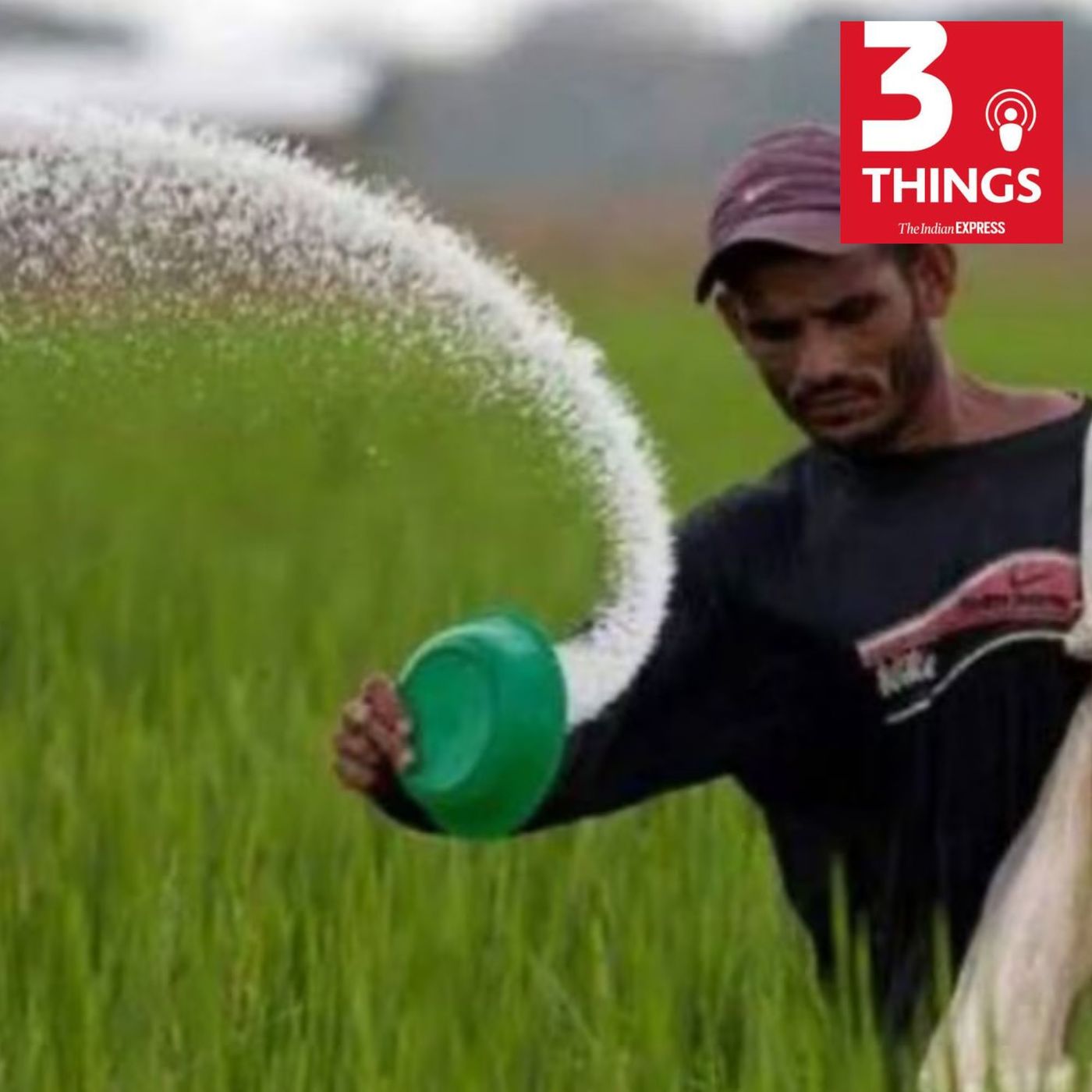
- Farmer Protests Over Fertilizer Shortages: Farmers in five states, including Punjab, Haryana, Rajasthan, Bihar, and Madhya Pradesh, have staged protests due to severe shortages of crucial fertilizers like Urea and Diammonium Phosphate (DAP). This scarcity occurs during the critical paddy sowing season, significantly impacting agricultural productivity. The situation is exacerbated by the ongoing conflict in West Asia, which affects India’s reliance on Gulf countries for fertilizer imports.
- Punjab’s Fertilizer Demand and Supply Crisis: Punjab alone requires approximately 1.6 million metric tons of Urea annually for its vast paddy cultivation, which covers about 3 million hectares. While 11.5 million metric tons have arrived in batches, the staggered supply process and allegations of black marketing by dealers create anxiety among farmers. The government’s phased import strategy, coupled with potential over-purchasing by farmers and dealers, contributes to the perceived shortage.
- Impact of West Asian Conflict on Imports: India’s heavy dependence on Gulf nations like Oman, Qatar, Saudi Arabia, and the UAE for phosphatic fertilizers makes it vulnerable to geopolitical instability. The ongoing conflict has disrupted supply chains, leading to reduced availability and significant price hikes for fertilizers. This global crisis directly translates to challenges in meeting domestic agricultural demands.
- Critique of Mumbai’s Flyover Quality: A newly inaugurated flyover in Mumbai, the Munraltai Gore flyover in Oshiwara, has faced public outrage due to its uneven road surface, apparent patchwork, and visible gravel. Despite an eight-year construction period and a cost of ₹248 crore, the flyover’s condition has led to widespread criticism and concerns about construction quality and oversight. Experts suggest the issue might stem from the use of Mastic Asphalt, which is prone to melting in high temperatures, rather than outright poor construction.
- Trinamool Congress Internal Power Struggle: The Trinamool Congress (TMC) is experiencing a significant internal rift, with a dissident faction led by KποιήGhosh Dastidar and others seeking recognition as a separate bloc in Parliament. This faction claims the support of 22 MPs and has approached Lok Sabha Speaker Om Birla to formalize their split. Their attempt to gain official recognition is crucial for their influence and to counter potential anti-defection proceedings.
- Legal and Political Implications of TMC Split: The dissident TMC faction’s move is significant as it challenges the party’s unified front and potentially weakens Mamata Banerjee’s influence. The Supreme Court’s 2023 judgment regarding anti-defection laws suggests that recognized splits require backing from two-thirds of the party’s MPs. The dissident group’s strategic meetings with opposition leaders and their formal request to the Speaker highlight their determination to establish a distinct political identity within Parliament.
💡 Key Insights & Memorable Moments
- Mastic Asphalt as a Double-Edged Sword: While Mastic Asphalt is lauded for its waterproofing capabilities, its tendency to melt in extreme heat, as seen on the Mumbai flyover, raises questions about its suitability for the region’s climate. This reveals a potential mismatch between material properties and environmental conditions in infrastructure projects.
- The “Black Market” Allegations in Fertilizer Distribution: The recurring issue of fertilizer shortages is compounded by accusations of black marketing and “forced bundling” of less-in-demand products like Nano Urea by dealers. This practice exploits farmers’ desperation and suggests systemic issues in distribution that go beyond simple supply chain disruptions.
- Legal Hurdles for Defectors: The Supreme Court’s stance on anti-defection laws presents a significant challenge for the dissident TMC faction. The requirement of two-thirds support and the lack of clear legal framework for recognizing a separate bloc without facing disqualification makes their path forward complex.
- Farmers’ Shift Towards Organic Alternatives: Faced with the unreliability and cost of chemical fertilizers, a segment of farmers is exploring organic manure and reducing their reliance on conventional fertilizers. This signifies a potential long-term shift in agricultural practices driven by current market realities and environmental concerns.
- Quote: “This Mastic Asphalt is supposed to be waterproof, but it melts when the temperature rises… It’s like they’ve built a structure that melts in the summer.” - Prateep Acharaya, The Indian Express, highlighting the criticism of the Mumbai flyover.
🎯 Way Forward
- Diversify Fertilizer Import Sources: India should actively seek to diversify its import partners beyond the Gulf region to mitigate risks associated with geopolitical conflicts and ensure a stable supply of essential fertilizers. This reduces vulnerability to external shocks and price volatility.
- Strengthen Fertilizer Distribution Oversight: Implement stricter monitoring and regulatory mechanisms for fertilizer distribution networks to curb black marketing and ensure fair allocation to farmers based on their landholdings, preventing artificial scarcity. This directly addresses farmer grievances and ensures equitable access.
- Promote Sustainable and Organic Farming Practices: Invest in research, training, and subsidies for organic farming methods and the production of organic manure. This offers a long-term solution for farmers seeking alternatives to expensive and scarce chemical fertilizers, promoting ecological sustainability.
- Enhance Infrastructure Quality Control and Transparency: Implement robust quality control measures and independent audits throughout the infrastructure development lifecycle, from material selection to construction. Increased transparency in project costs and timelines can build public trust and ensure accountability.
- Address Internal Party Democracy and Dispute Resolution: Political parties need to establish clear internal mechanisms for addressing grievances and resolving leadership disputes democratically. This can prevent factionalism from escalating into public political crises, strengthening party stability and public perception.