
🎯 Core Theme & Purpose
This episode delves into Pakistan’s surprising emergence as a key peacemaker in the Iran-US conflict, highlighting its strategic shift from the margins of global diplomacy to a central player. It explores how this South Asian nation, once on the fringes, has earned the trust of both the US and Iran to mediate talks. The discussion is particularly relevant for policymakers, international relations enthusiasts, and those interested in the evolving geopolitical landscape.
📋 Detailed Content Breakdown
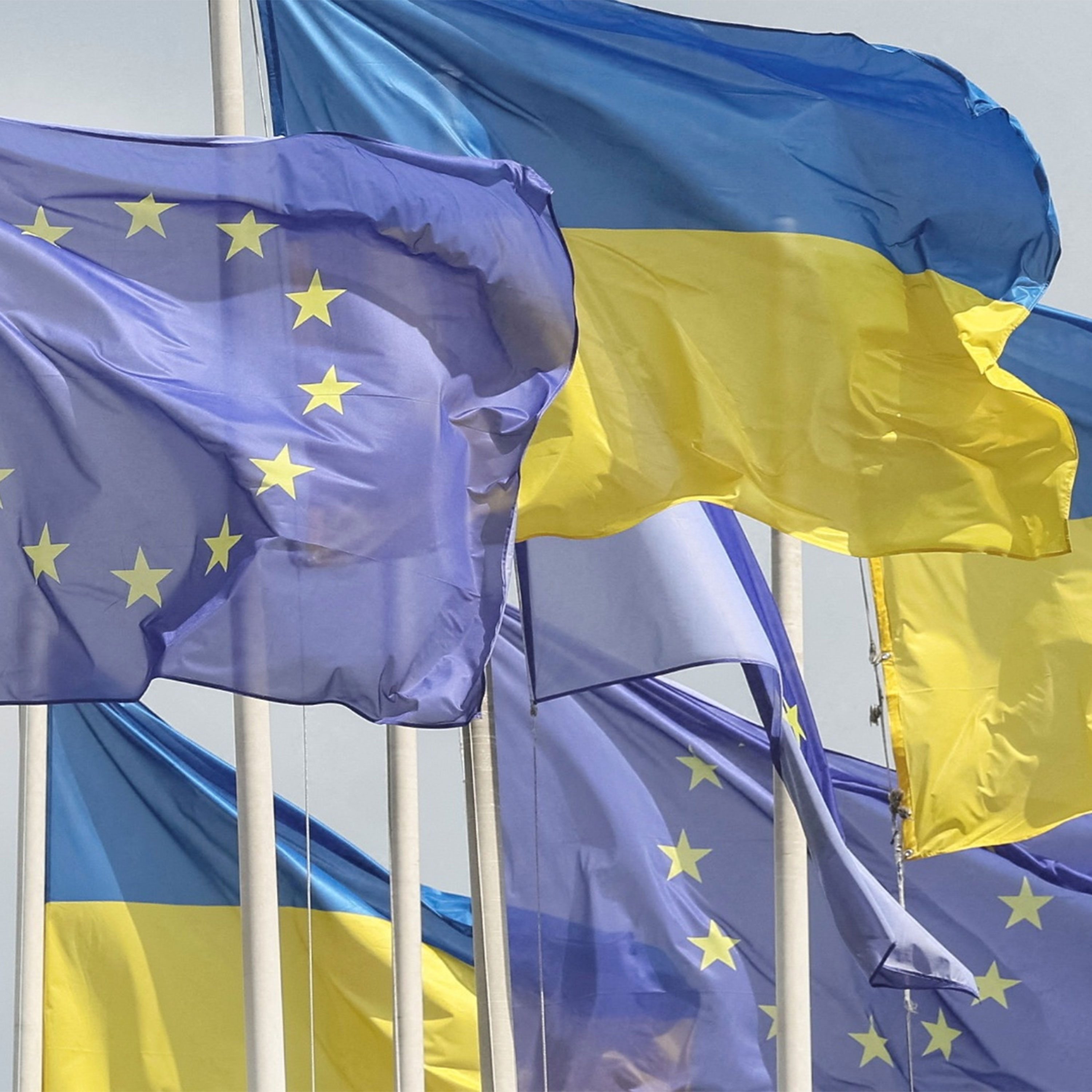
• Pakistan’s Peacemaking Role: Pakistan has emerged as a crucial mediator between the US and Iran, a significant shift from its previous position on the sidelines of global diplomacy. This role signifies a newfound trust from both superpowers, positioning Pakistan as a key player in de-escalating international tensions. • EU Loan to Ukraine: The European Union has approved a promised $100 billion loan to Ukraine, marking a significant development after Hungary dropped its veto. This decision comes after Budapest blocked the funds when Ukraine stopped receiving Russian oil through the Druzhba pipeline, citing damage from a Russian strike. • Strait of Hormuz Tensions: Despite a ceasefire in the US-Iran conflict, the Strait of Hormuz remains a flashpoint, with two cargo ships seized and three confirmed attacked by Iran’s Revolutionary Guard. These incidents have been verified by UK maritime intelligence agencies, underscoring the ongoing risks in the region. • Colombian Mercenaries in Sudan: A new report reveals that Colombian mercenaries, allegedly backed by the UAE, aided Sudanese paramilitary fighters in capturing the city of El Fasher last year. This highlights the complex and often obscured international involvement in regional conflicts. • Climate Change and Voting Rights: The report also explores how climate change might affect individuals’ ability to vote. Extreme weather events like floods and heatwaves can disrupt elections, making it difficult for citizens to reach polling stations or cast their ballots, potentially disenfranchising vulnerable populations.
💡 Key Insights & Memorable Moments
- Pakistan’s Strategic Pivot: The most striking insight is Pakistan’s transformation into a trusted mediator, a position that was unexpected given its past diplomatic standing. This suggests a calculated and effective foreign policy maneuver.
- EU’s Financial Support for Ukraine: The approval of the $100 billion loan to Ukraine, despite initial Hungarian resistance, underscores the EU’s commitment to supporting Ukraine’s defense and economy.
- The UAE’s Role in Sudan: The involvement of UAE-backed Colombian mercenaries in Sudan points to the intricate and often opaque nature of international military support in African conflicts.
- Climate Change as a Voting Barrier: The revelation that climate change is actively impacting voter turnout is a stark reminder of its far-reaching consequences, extending beyond environmental concerns to fundamental democratic processes.
- The Power of “Slow Diplomacy”: The podcast suggests that while direct talks are stalled, persistent behind-the-scenes efforts, exemplified by Pakistan’s role, can be crucial for de-escalating tensions.
🎯 Way Forward
- Monitor Pakistan’s Diplomatic Influence: Continue to observe Pakistan’s mediation efforts in the Iran-US conflict, as its success could reshape regional stability and its own geopolitical standing.
- Track EU-Ukraine Financial Aid: Stay informed about the disbursement and impact of the EU’s $100 billion loan to Ukraine, focusing on how it bolsters Ukraine’s resilience and recovery.
- Investigate Mercenary Involvement: Further research the role of foreign mercenaries, particularly those linked to state actors like the UAE, in conflicts like Sudan to understand their destabilizing impact.
- Develop Climate-Resilient Voting Infrastructure: Governments should proactively invest in strategies to mitigate the impact of extreme weather on elections, such as flexible voting periods, mail-in ballot options, and secure polling station alternatives.
- Recognize the Gendered Impact of Conflict: Acknowledge and amplify the often-overlooked contributions and experiences of women in conflict resolution and wartime reporting, as highlighted by the discussion on the Nuremberg trials.