
🎯 Core Theme & Purpose
This episode explores the evolving landscape of luxury vehicles in India, focusing on the surprising rise of multi-purpose vehicles (MPVs) as symbols of status among the elite. It delves into the shift from ostentatious displays of wealth to a more discreet, experience-driven form of luxury, driven by practicality and the need for mobile workspaces. This deep dive is particularly relevant for luxury car manufacturers, market analysts, and discerning consumers interested in the future of automotive trends in emerging economies.
📋 Detailed Content Breakdown
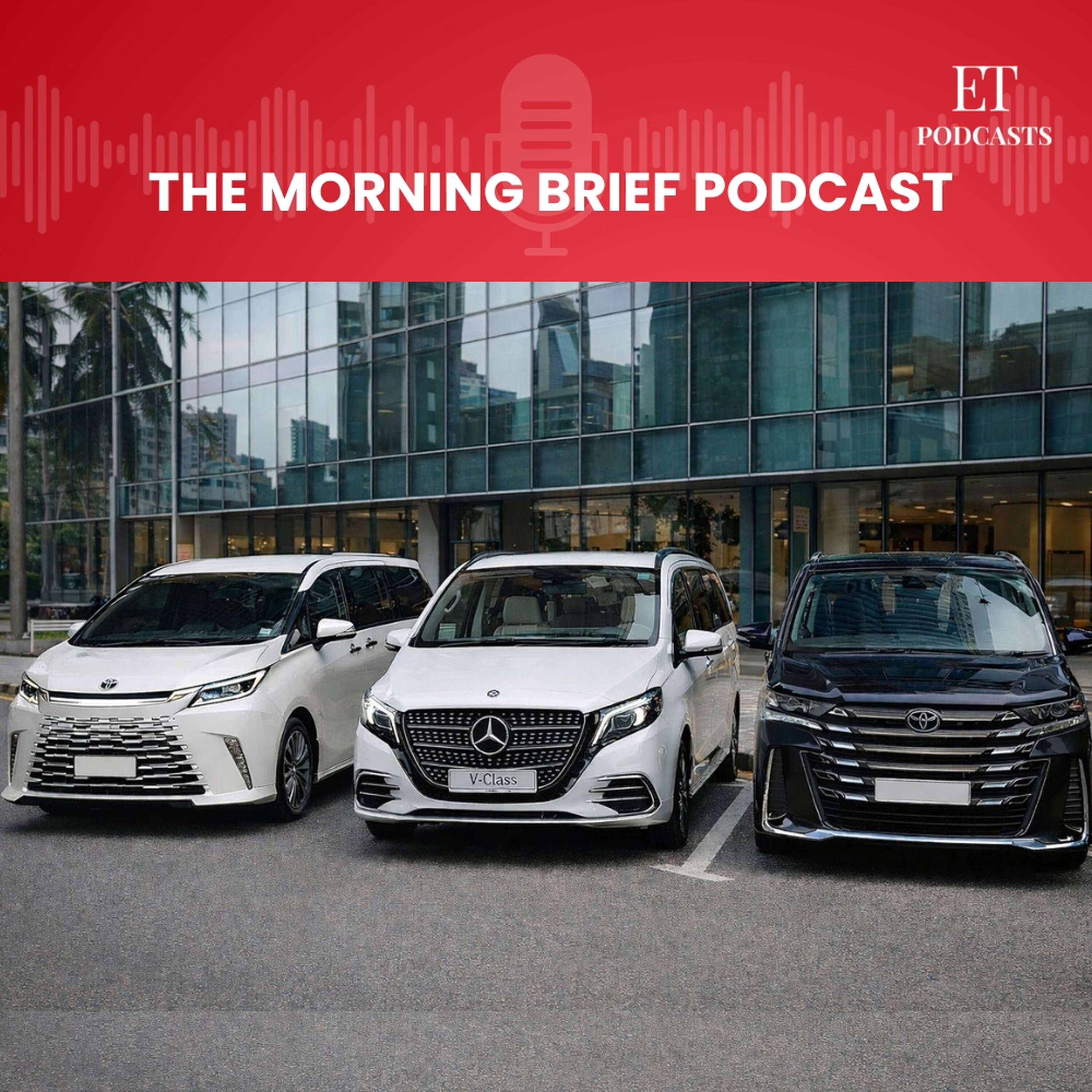
• The Rise of the Unassuming Luxury MPV: The narrative begins with vivid descriptions of MPVs like the Toyota Vellfire and Lexus LM, highlighting their once unglamorous image contrasted with their current status as preferred vehicles for India’s top executives and celebrities. These vehicles, previously associated with family transport, are now positioned as discreet, opulent mobile offices.
• Shifting Notions of Status and Productivity: The episode argues that the traditional desire for overt displays of wealth through luxury sedans or SUVs is giving way to a preference for vehicles that facilitate productivity and offer a private, comfortable experience. The MPV’s design, optimized for rear-seat passengers, directly addresses this evolving need, offering features like reclining seats, privacy partitions, and even refrigerators.
• The Rear Seat as the New Boardroom: A key takeaway is the redefinition of the rear seat of these MPVs as a functional workspace. The article points out that individuals are purchasing these vehicles not just for travel, but to conduct business, make calls, and close deals on the go, transforming commute time into productive time.
• Market Dynamics and Competitive Landscape: The segment analyzes the increasing competition in the luxury MPV space, with Mercedes-Benz entering with its V-Class. It notes how manufacturers are localizing production to offer competitive pricing, making these vehicles more accessible and attractive against established players like Toyota and Lexus.
• The Impact of Electrification and Autonomy: The discussion touches upon how electrification and the advent of autonomous driving are further enhancing the appeal of MPVs. Electric powertrains allow for more flexible interior designs and a quieter, more refined cabin experience, while autonomous technology promises to further transform the vehicle into a true mobile living and working space.
• From Presence to Experience: The overarching theme is a fundamental shift in the vocabulary of luxury in India. The emphasis is moving from conspicuous consumption and outward appearances (“presence”) to the quality of the internal experience and the enhanced lifestyle capabilities the vehicle offers.
💡 Key Insights & Memorable Moments
• Counterintuitive Revelation: The most striking insight is the transformation of the once-maligned MPV into a symbol of aspirational luxury, directly challenging the established norms of premium automotive appeal.
• Expert Opinion: A Mumbai luxury car dealer is quoted saying, “The rear seat is the new boardroom. People are buying these cars not to drive, but to work.”
• Powerful Quote: “The MPV sacrifices visual sportiness for spatial efficiency… And that’s precisely what enables the rear seat experience these buyers are paying for.” - Naveen Soni, former president of Lexus India.
• Data Point: The pricing analysis highlights how the Mercedes-Benz V-Class, with localized production, offers a compelling alternative at around ₹1.4 crore, undercutting the imported Lexus LM.
• Analogy: The MPV’s interior is likened to a “private suite on wheels,” emphasizing the shift from a mere vehicle to a personalized mobile environment.
🎯 Way Forward
- Embrace the “Mobile Office” Concept: Luxury car manufacturers should continue to innovate interiors that cater to productivity, integrating advanced connectivity, advanced soundproofing, and versatile workspace features. This matters because the demand for functional mobile spaces is likely to grow among busy professionals.
- Leverage Electrification for Interior Design: As electrification progresses, manufacturers should prioritize designs that maximize interior space and comfort, focusing on the rear-seat experience as a key differentiator. This matters because electric platforms offer greater flexibility than traditional combustion engine layouts.
- Develop “Discreet Luxury” Branding: Marketing efforts should shift from emphasizing aggressive styling or performance to highlighting the privacy, comfort, and productivity benefits offered by vehicles like luxury MPVs. This matters because the definition of luxury itself is evolving towards subtler, experience-focused attributes.
- Explore Diverse Market Segments: Beyond the ultra-wealthy, manufacturers should consider how the core benefits of luxury MPVs can be adapted for other segments, potentially through more accessible pricing or feature sets, to tap into a broader market seeking productive and comfortable travel. This matters because it opens up new avenues for growth and democratizes aspects of luxury mobility.
- Integrate Advanced Driver Assistance Systems (ADAS): As autonomous driving technology matures, the seamless integration of ADAS will further enhance the appeal of MPVs as truly relaxing and productive mobile environments. This matters because it directly supports the vision of the car as a mobile lounge, reducing driver burden and increasing passenger utility.