
🎯 Core Theme & Purpose
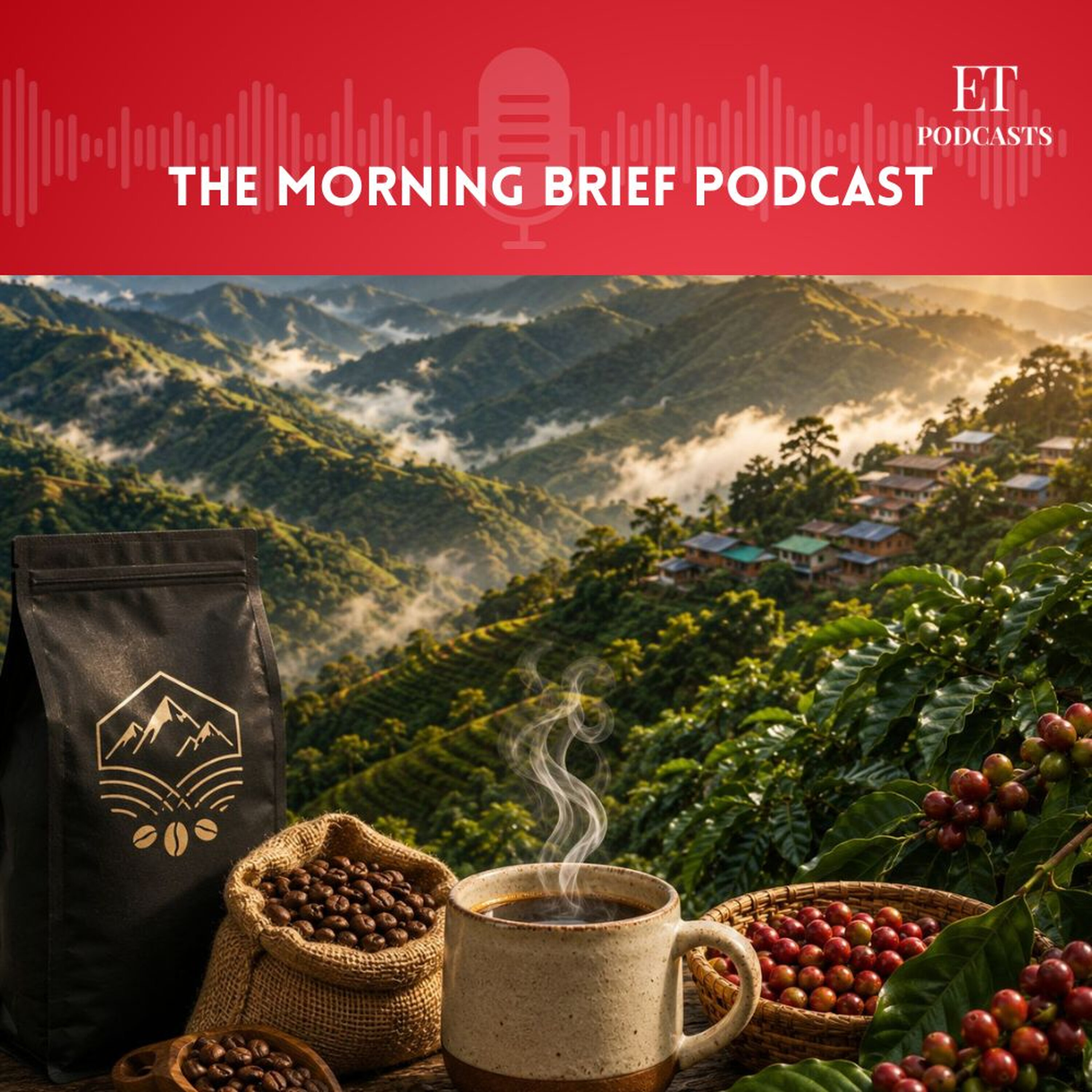
This episode delves into the burgeoning specialty coffee scene in Nagaland, India, a region historically marked by insurgency. It highlights the surprising transformation of this northeastern state into a significant contributor to India’s specialty coffee market. The narrative focuses on the role of a new generation of Naga entrepreneurs and the potential for quality-driven coffee exports. This episode is essential listening for anyone interested in emerging agricultural economies, the global specialty coffee market, and stories of post-conflict development.
📋 Detailed Content Breakdown
• The Naga Coffee Renaissance: Nagaland, once scarred by insurgency, is quietly reinventing itself as a prime specialty coffee destination. This transformation is driven by young entrepreneurs shifting focus from past conflicts to cultivating high-quality Arabica beans. The state’s unique terroir is proving ideal for coffee cultivation, positioning it as a new frontier in India’s coffee landscape.
• From Insurgency to Arabica: The episode traces the journey of figures like Khodao Yantham, a former insurgent who spent decades in exile and returned to a peaceful Nagaland. His legacy, now represented by his son Siron Yantham, highlights the profound shift from a history of conflict to a future rooted in agriculture and entrepreneurship. This transition is exemplified by the Lithandro farm and Juro Coffee House, embodying a farm-to-cup model.
• Government Support and Investment: Significant government initiatives are backing Nagaland’s coffee ambitions. The Ministry of Development of North-Eastern Region and the North Eastern Council have committed substantial funds to a pilot project aimed at strengthening the coffee value chain. This includes grants for plantation development and farm management, encouraging a shift towards quality-driven specialty coffee.
• The Rise of Naga Coffee Brands: A new wave of entrepreneurs has launched successful specialty coffee brands like Ate, Juro, Highlander, Yes Coffee, Naga Tribal Coffee, Naga Hills Coffee, and Coffee Lady. These brands are expanding beyond the Northeast, introducing discerning consumers to the distinct flavors of Naga Arabica. This entrepreneurial drive is a key factor in the sector’s rapid growth.
• Quality Over Quantity: While South India historically dominates Indian coffee production, Nagaland is carving a niche by focusing on premium, traceable, single-origin specialty coffee. The state’s altitude, climate, and focus on natural processing methods contribute to unique flavor profiles. This emphasis on quality, supported by initiatives like a common labeling scheme (“Coffees of Nagaland”), aims to elevate the region’s standing on the global coffee map.
• Economic and Social Transformation: The growth of the coffee sector in Nagaland signifies a broader economic and social transformation. It’s creating livelihoods for local Naga farmers, promoting sustainable agricultural practices, and fostering a new identity for the state. The vision is to make Nagaland a significant player in the specialty coffee market, akin to established regions like Araku Valley in Andhra Pradesh.
💡 Key Insights & Memorable Moments
• Counterintuitive Success: The most striking insight is how a region historically defined by conflict is now emerging as a hub for high-quality specialty coffee, showcasing a remarkable shift in focus and ambition. • Entrepreneurial Drive: The narrative powerfully illustrates the impact of a new generation of Naga entrepreneurs who, inspired by figures like Siron Yantham and supported by policy, are driving innovation and market development in the coffee sector. • “Coffee is our new gun”: This sentiment, while not explicitly quoted, underpins the episode’s theme of a peaceful, productive future replacing a history of violence, with coffee cultivation serving as a symbol of this positive transition. • Data Point: Nagaland’s coffee output, though currently small compared to southern states, grew significantly (nearly sixfold between FY22 and FY26), indicating strong growth potential. • Storytelling Moment: The personal journey of Vivito Yaphang, who transitioned from customer relationship management to coffee entrepreneurship after an inspiring encounter with a coffee specialist, exemplifies the passion and dedication fueling this industry.
🎯 Way Forward
- Expand Traceable Sourcing: Continue to emphasize and expand traceability for Naga coffee beans, allowing consumers to connect with the origin and the farmers, thereby enhancing brand value and consumer trust.
- Invest in Farmer Education and Support: Provide ongoing training and resources to smallholder farmers on best practices for cultivating high-quality Arabica, including sustainable farming methods and post-harvest processing, to ensure consistent quality and yield.
- Develop a Unified Branding Strategy: Implement the proposed “Coffees of Nagaland” label effectively across all products to build a strong, recognizable brand identity for the state’s specialty coffee in both domestic and international markets.
- Promote Agri-tourism and Direct Engagement: Leverage the scenic beauty of Nagaland by developing coffee tourism initiatives, allowing consumers and industry professionals to visit farms, understand the cultivation process, and directly engage with the producers.
- Foster International Partnerships: Actively seek and nurture international partnerships for export, quality assurance, and market access, aiming to position Nagaland not just as a producer but as a recognized source of premium specialty coffee globally.