
🎯 Core Theme & Purpose
This episode delves into critical issues impacting daily life in India, highlighting technological vulnerabilities and socio-political tensions. It examines the alarming rise of remote e-rickshaw shutdowns in Delhi, the controversial demolition of religious structures in Rajasthan, and the systemic failure to curb child sexual abuse material on social media platforms. The discussion provides crucial insights for policymakers, tech companies, and the general public concerned with digital safety, infrastructure security, and communal harmony.
📋 Detailed Content Breakdown
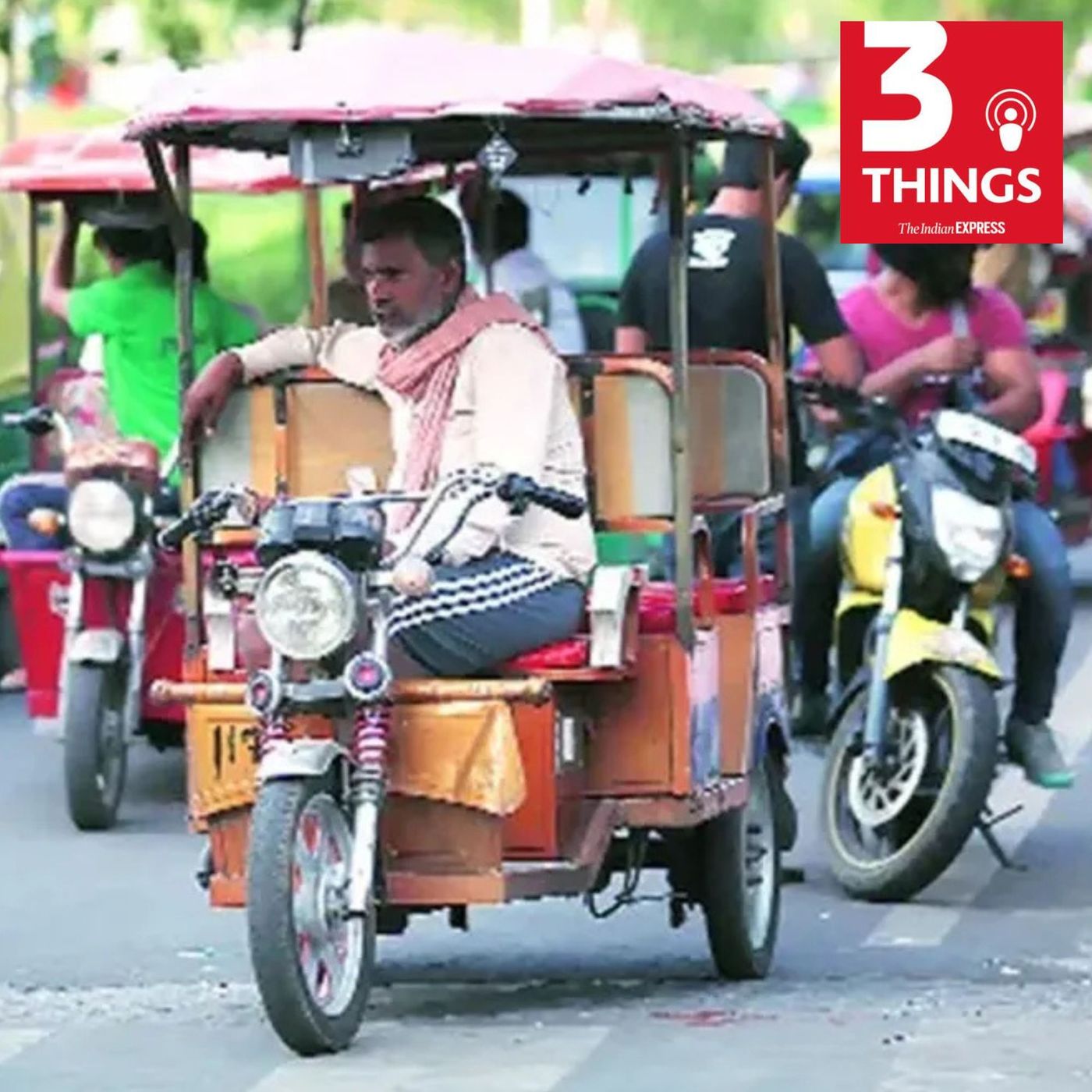
• E-Rickshaw Hijacking via Apps: Reports emerged of e-rickshaws in Delhi being remotely shut down using Bluetooth-enabled apps. This exploit, often carried out by individuals seeking to extort money or simply cause disruption, led to passengers being stranded and drivers losing income. The issue became severe enough for the government to direct app stores to remove such malicious applications.
• Remote E-Rickshaw Control Mechanisms: The apps used for hijacking were identified as low-cost battery management systems, often of Chinese origin. Lacking password protection, these systems could be accessed and manipulated via Bluetooth, allowing unauthorized individuals to cut power to the e-rickshaws. While some e-rickshaws remain vulnerable, newer models with better, password-protected battery management systems are less susceptible.
• Rajasthan Demolitions and Protests: In Rajasthan, 12 mosques and a dargah were demolished across Barmer and Jaisalmer districts within a 15 km radius of the international border. Residents, including members of both Hindu and Muslim communities, protested the demolitions, alleging insufficient notice and targeting of religious sites. The government cited security concerns due to their proximity to the border as the primary reason.
• Communal Harmony in Rajasthan: Despite the demolitions, the episode highlights the strong existing communal harmony in the region, with Hindus and Muslims sharing cultural practices and living peacefully. The protests involved a significant number of Hindu leaders and community members, underscoring a unified stance against what many perceive as politically motivated actions.
• Child Sexual Abuse Material on Instagram: A BBC investigation revealed that Instagram was running advertisements promoting child sexual abuse material. The Indian government has issued a notice to Meta, demanding a detailed response and action to remove such content and advertising. Meta maintains a zero-tolerance policy but acknowledged that detection and removal processes can take time.
• Government and Tech Company Response: The Indian government has actively intervened, directing app stores to remove malicious e-rickshaw apps and issuing notices to Meta regarding child sexual abuse material. While manufacturers have developed their own countermeasures for e-rickshaws, Meta claims to use AI and dedicated safety teams to combat the issue, though the BBC investigation suggests delays in action.
💡 Key Insights & Memorable Moments
• Technological Vulnerability of Public Transport: The remote shutdown of e-rickshaws reveals a critical, overlooked vulnerability in India’s burgeoning electric vehicle sector, where low-cost technology can be exploited for criminal activity, impacting livelihoods.
• The Delicate Balance of Security and Rights: The demolitions in Rajasthan highlight the government’s prioritization of border security, potentially overriding religious and cultural rights, raising questions about the proportionality and justification of such actions, especially when historical religious sites are involved.
• Meta’s Delayed Response to Harmful Content: The protracted time taken by Instagram to remove child abuse material, even after being flagged, points to significant challenges in content moderation, potentially indicating systemic issues in their automated and human review processes. As the report stated, “Instagram reportedly took more than 24 hours to conclude that it did not violate its community guidelines.”
• Sustained Communal Harmony Amidst Tensions: The strong inter-community solidarity observed in Rajasthan, with Hindus and Muslims protesting together, serves as a powerful counterpoint to narratives of religious conflict, showcasing the deep-rooted social fabric of the region.
🎯 Way Forward
- Strengthen E-Rickshaw Security Standards: Mandate robust, password-protected battery management systems for all new e-rickshaws and implement a certification process to ensure compliance, preventing future exploitation and safeguarding drivers’ incomes.
- Transparent and Equitable Law Enforcement: Ensure that any demolition or action against religious structures is conducted with adequate notice, adherence to legal procedures, and without discriminatory targeting, promoting trust and preventing communal unrest.
- Enhanced AI and Human Moderation for Social Media: Tech companies must significantly invest in and improve their AI detection capabilities, alongside human review processes, to drastically reduce the time taken to remove harmful content like child sexual abuse material.
- Inter-Agency Collaboration for Digital Safety: Foster stronger collaboration between government agencies and tech platforms to swiftly identify, report, and remove illegal content, ensuring a unified approach to protecting vulnerable populations online.
- Promote Inter-Community Dialogue and Initiatives: Support and amplify grassroots efforts that foster inter-community understanding and cooperation, as seen in Rajasthan, to build resilience against divisive political agendas and preserve social cohesion.