
🎯 Core Theme & Purpose
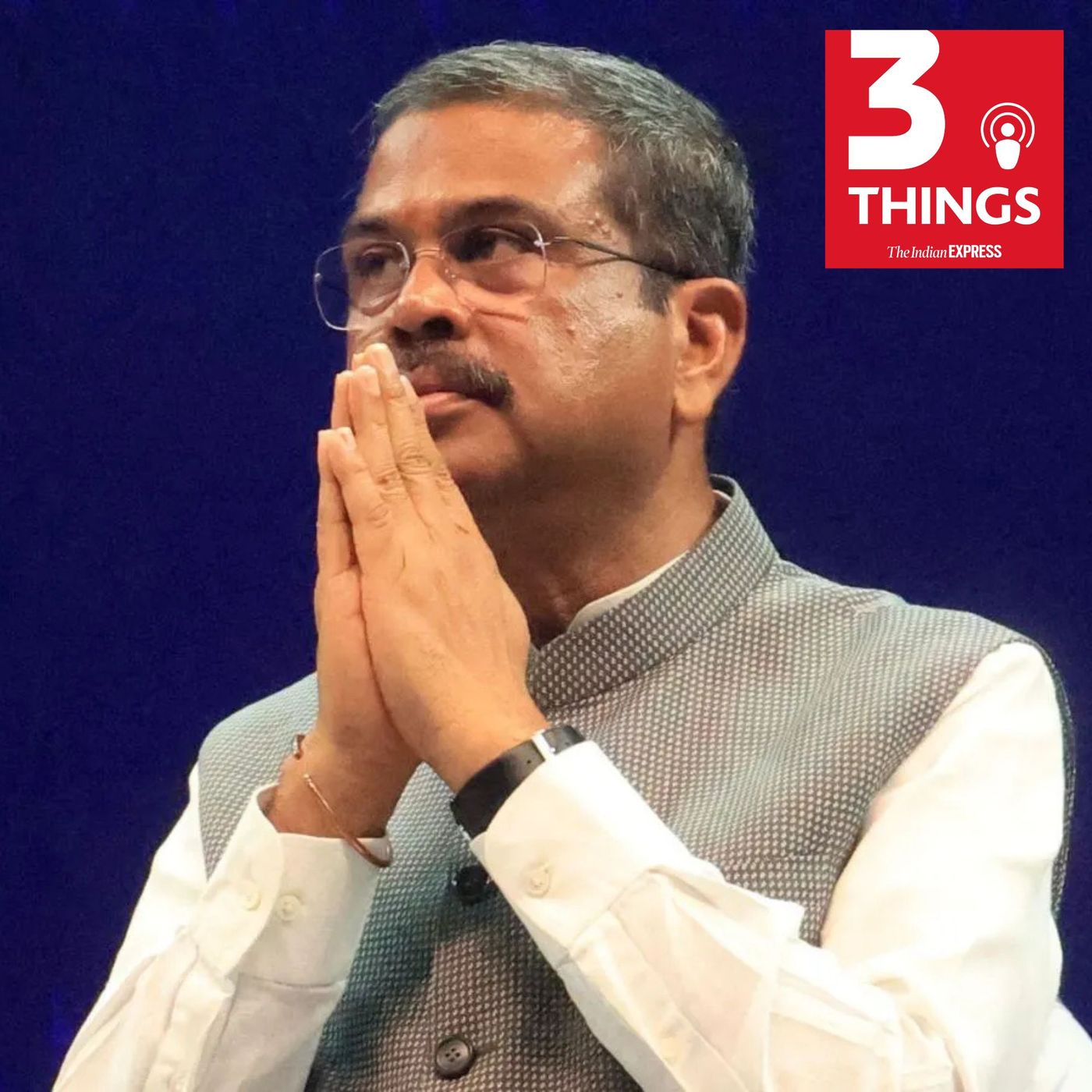
This episode delves into significant political and social developments in India, focusing on the recent resignation of Union Education Minister Dharmendra Pradhan amidst nationwide student protests. It examines the cascading events leading to this decision and its implications for the ruling government. The discussion also highlights the government’s proactive response to exam leaks and its intention to introduce stricter legislation to curb such malpractices. Additionally, the episode addresses the severe rainfall and flooding situation in Gujarat, detailing rescue efforts and infrastructural damage. The summary is beneficial for individuals seeking a concise yet thorough understanding of these critical national issues and policy responses.
📋 Detailed Content Breakdown
• Resignation of Union Education Minister Dharmendra Pradhan: The episode begins by detailing the circumstances surrounding Dharmendra Pradhan’s resignation following a month of student protests across several cities. The government acceded to key demands, including Pradhan’s resignation and assurances against legal action for protestors. This event is framed as a significant concession by the BJP-led NDA government, marking the second instance of a senior minister resigning under this administration.
• Government’s Response to Exam Leaks: The discussion highlights the government’s swift action following the NEET-UG exam leak. Prime Minister Narendra Modi acknowledged the gravity of the issue, emphasizing the government’s commitment to transparency and quick action. This led to the cancellation of the exam, re-investigations, and the initiation of a new stringent law aimed at preventing future leaks, with proposed harsher penalties.
• Introduction of New Legislation Against Exam Leaks: The newly introduced “Public Examinations (Prevention of Unfair Means) Act, 2026” is discussed. This legislation seeks to increase penalties for paper leaks, with imprisonment terms ranging from three to ten years and fines up to ₹10 crore. It covers various competitive examinations, including those conducted by the UPSC and SSC, aiming to deter unfair practices.
• Appointment of New Education Minister: Following Pradhan’s resignation, Pralhad Joshi has been appointed as the new Union Education Minister, also retaining his portfolio as Minister for Food and Consumer Affairs. Joshi, known for his close ties to the BJP leadership and his organizational skills, is expected to bring a strategic approach to the ministry’s agenda.
• Flooding Crisis in Gujarat: The episode shifts focus to the devastating floods in Gujarat, triggered by excessive rainfall. It reports over 40 deaths, with Valsad and Navsari districts being the most severely affected. Extensive rescue operations were undertaken by the army and police, including the evacuation of thousands from industrial units and houses. Damage to critical infrastructure like the Ahmedabad-Vadodara highway and the Sabarmati river crossing disrupted transportation.
• Crackdown on Food Industry in Mumbai: The summary details a significant crackdown by Mumbai’s Food and Drug Administration (FDA) on the city’s food industry under the new commissioner, Tukaram Mundhe. Inspections and raids have targeted various establishments, including restaurants, dairies, and factories, for violations related to licensing, hygiene, food adulteration (particularly milk and gutka), and non-compliance with safety standards. This action has raised concerns among restaurateurs about the severity of the penalties and the feasibility of immediate compliance.
💡 Key Insights & Memorable Moments
• The resignation of Dharmendra Pradhan is presented not just as a response to protests but as the second instance of a senior minister stepping down, indicating a pattern of the BJP-led NDA government making significant concessions on issues that gain widespread public traction. • The “Public Examinations (Prevention of Unfair Means) Act, 2026” signifies a firm stance against exam malpractice, demonstrating the government’s resolve to restore faith in the examination system. • The scale of the crackdown in Mumbai’s food industry, targeting even well-established businesses like K Rustom’s and Parsi Dairy Farm, highlights a new era of stringent enforcement under Tukaram Mundhe, emphasizing substance over political expediency. • The sheer volume of rainfall in Gujarat and its impact on infrastructure, such as the closure of the Ahmedabad-Vadodara highway for two consecutive days, underscores the vulnerability of urban and industrial areas to extreme weather events. • The criticism of Tukaram Mundhe’s approach focuses on the speed and intensity of enforcement rather than the necessity of food safety itself, pointing to a broader debate on balancing regulation with operational realities for businesses.
🎯 Way Forward
- Strengthen Regulatory Capacity and Infrastructure: Invest in increasing the number of qualified food safety officers and enhance logistical support for inspections, especially in densely populated areas like Mumbai, to ensure sustainable compliance rather than reactive crackdowns. This matters for long-term food safety and consumer trust.
- Develop Robust Early Warning Systems and Disaster Preparedness: Enhance meteorological forecasting and implement proactive measures for disaster management, particularly in flood-prone regions of Gujarat, to mitigate loss of life and property damage. This is crucial for safeguarding communities against increasing climate-related risks.
- Promote Transparency and Accountability in Examination Processes: Beyond legislation, establish transparent grievance redressal mechanisms and digital tracking systems for examinations to build public confidence and deter malpractices effectively. This will ensure fair opportunities for all aspirants.
- Foster a Collaborative Approach Between Regulators and Industry: Encourage dialogue and collaboration between regulatory bodies like the FDA and food businesses in Mumbai to develop practical and phased compliance strategies, balancing stringent standards with the operational challenges faced by small and medium enterprises. This fosters a more sustainable and cooperative regulatory environment.
- Integrate Climate Resilience into Urban Planning: In flood-affected regions of Gujarat, prioritize urban planning that incorporates climate resilience, including improved drainage systems, flood barriers, and stricter building codes in low-lying areas. This is vital for long-term safety and economic stability.