
🎯 Core Theme & Purpose
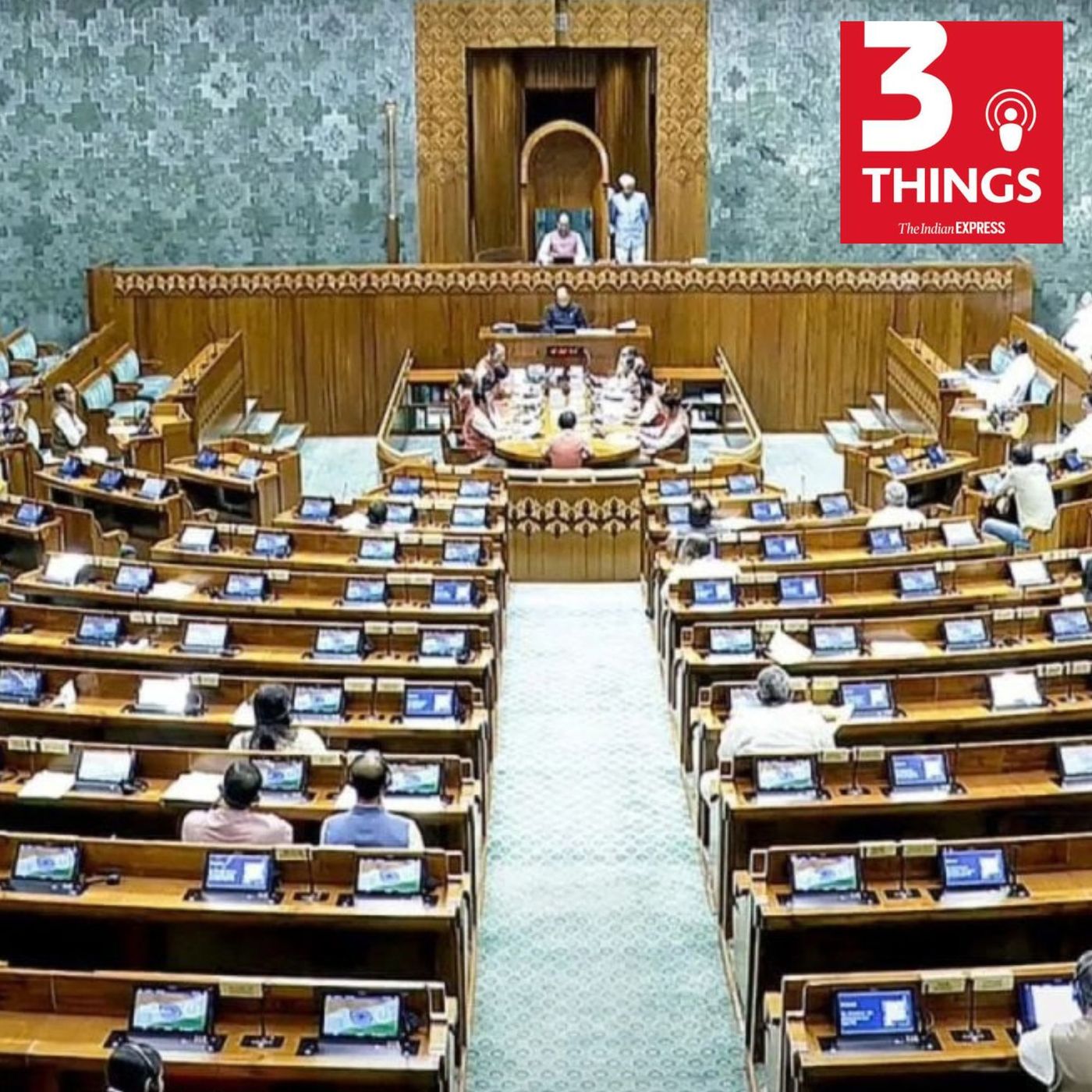
This episode delves into the intricacies of political redistricting in India, examining the proposed legislation aimed at increasing parliamentary seats and implementing women’s reservation. It further scrutinizes the potential impact of these changes on regional political power dynamics, particularly concerning the concerns raised by southern states. The discussion also touches upon the regulation of Indian athletes’ commercial engagements and a significant political shift in Bihar. This episode is crucial for political analysts, policymakers, legal experts, and engaged citizens seeking to understand the evolving landscape of Indian governance and representation.
📋 Detailed Content Breakdown
• Delimitation and its Implications: The introduction of three bills signifies a move towards fresh delimitation exercises, redrawing constituency boundaries based on the latest census data. This process could potentially increase the Lok Sabha’s strength from 543 to 850 members and introduce reservations for women in Parliament and state assemblies. • Southern States’ Concerns on Delimitation: Despite the central government’s push, southern states have voiced strong concerns about the delimitation exercise. Leaders like M.K. Stalin and K. Chandrashekar Rao fear that the process could disproportionately increase the political weight of northern states due to differing population growth rates, potentially altering the federal balance. • Constitutional Basis of Delimitation: The delimitation process is guided by Article 81 of the Indian Constitution, which mandates that the ratio between the population of a state and the number of seats allocated to it should be as consistent as possible across all states. The current freeze on delimitation since 1971, originally intended to encourage family planning, is now being re-examined. • Proposed Legislative Changes: The government has introduced a constitutional amendment bill to modify the Nari Shakti Vandan Adhiniyam, removing the condition that delimitation must occur based on future census data. This aims to expedite the process while still adhering to constitutional principles. Additionally, a delimitation commission bill is proposed to facilitate this restructuring. • Challenges and Controversies: A significant point of contention is the lack of a clear roadmap for ensuring proportional representation (pro-rata) in seat allocation under the new framework, especially without amending Article 81. Legal experts highlight that any such amendment would require a two-thirds majority in both houses of Parliament, posing a significant hurdle. The government’s approach has been criticized for lacking consultation with opposition parties.
💡 Key Insights & Memorable Moments
• The proposed delimitation exercise aims to increase the Lok Sabha’s strength to 850 seats, a significant jump from the current 543. • Southern states’ apprehension stems from the fear that the delimitation, based on past census data, could disproportionately benefit northern states with higher population growth, thus altering federal power dynamics. • The discussion highlights the tension between the constitutional mandate for periodic delimitation and the political realities that have led to its long-standing freeze since 1971. • A key legal challenge lies in the fact that any move to significantly alter the seat distribution formula would likely necessitate an amendment to Article 81 of the Constitution, requiring a supermajority in Parliament. • The regulation of Indian athletes’ commercial engagements by the Athletics Federation of India (AFI) has drawn criticism for being overly broad and potentially infringing on athletes’ rights, with concerns raised about its legal enforceability under the Indian Contract Act.
🎯 Way Forward
- Transparent Delimitation Process: Ensure that the delimitation process, when undertaken, is perceived as transparent and equitable, addressing the demographic shifts fairly across all states to maintain federal harmony. This matters for the legitimacy of the electoral process and the representation of all regions.
- Consensus Building on Reservation: Foster broader political consensus and stakeholder engagement, including from southern states, regarding the proposed women’s reservation and delimitation reforms to ensure smoother legislative passage and public acceptance. This is critical for inclusive policy-making.
- Regulatory Clarity for Athletes: The AFI needs to reconsider its circular on athlete sponsorships, focusing on providing genuine protection against exploitative contracts rather than imposing broad restrictions. Clearer, more balanced guidelines are essential for athletes’ financial stability and career growth.
- Addressing Legal Hurdles: The government must proactively address the significant legal and constitutional challenges associated with the proposed delimitation, particularly concerning Article 81 and the requirement for a two-thirds majority. Exploring amendments that gain wider support will be crucial.
- Political Stability in Bihar: The recent political developments in Bihar, with Nitish Kumar’s resignation and the subsequent formation of a new government, signal the need for strong governance and stable political alliances to address the state’s developmental challenges. This matters for effective administration and public service delivery.