
🎯 Core Theme & Purpose
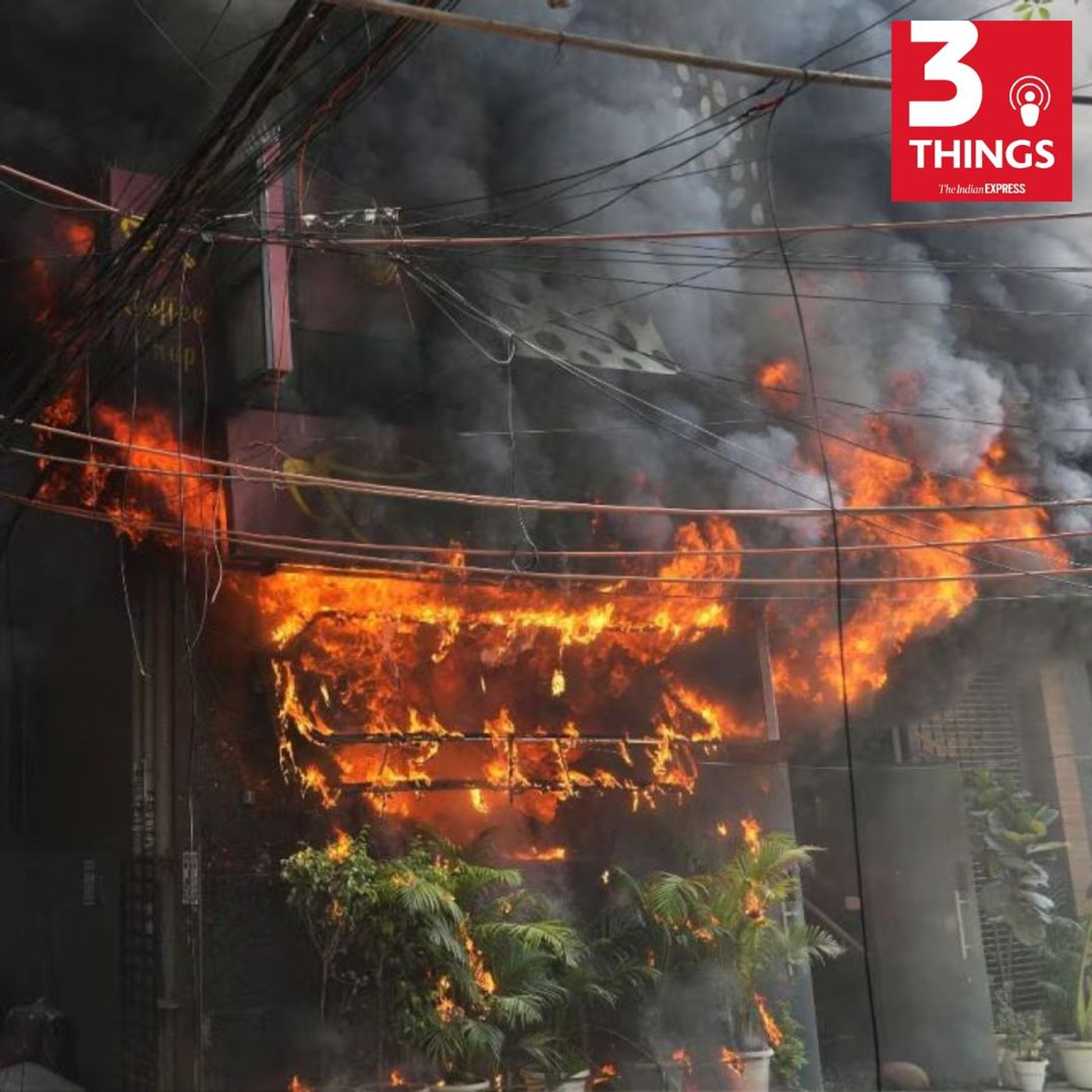
This episode delves into two critical issues plaguing India: a disturbing case of privacy violation and alleged online sale of sensitive footage from a women’s hospital in Rajkot, alongside an analysis of escalating tensions within India’s opposition alliance, highlighted by the absence of the DMK during a crucial bloc meeting in Delhi. The discussion also addresses the tragic fire at a Delhi bed and breakfast, claiming 21 lives, and examines the underlying systemic failures in safety and regulation. This episode is crucial for citizens concerned about public safety, privacy rights, and the dynamics of Indian politics.
📋 Detailed Content Breakdown
• Rajkot Hospital Privacy Breach: Allegations surfaced of a disturbing incident where CCTV footage of female patients, including in a maternity hospital, was allegedly recorded and sold online. This led to arrests under cyber-terrorism charges, highlighting a severe breach of privacy and the dark side of online content dissemination. • Delhi Bed and Breakfast Fire Tragedy: A devastating fire at a bed and breakfast in Delhi’s Karol Bagh area resulted in the deaths of 21 people, including a family of eight and several foreign nationals. The fire exposed serious lapses in fire safety compliance and potentially illegal construction practices within densely populated residential areas. • Systemic Failures in Building Safety and Regulation: Investigations into the Delhi fire revealed widespread violations, including illegal construction, exceeding permitted floors, and inadequate safety measures. The local municipal corporation’s crackdown, involving sealing and demolition, pointed to a deep-rooted problem of regulatory oversight and enforcement. • The Popularity of Medical Tourism in Delhi and its Underbelly: Delhi’s proximity to Max Super Speciality Hospital makes it a hub for medical tourism. This attracts foreign nationals seeking affordable treatments, leading to a proliferation of small hotels and guesthouses catering to them, often operating in a regulatory gray area with package deals involving accommodation and facilitation. • Exploitation and Regulatory Gaps in Guest Houses: The investigation into the Delhi fire indicated that many guest houses, including the one that caught fire, operated with significantly more rooms than permitted and often had illegal basements used for accommodation. This points to systemic corruption and a lack of stringent enforcement by licensing and fire safety authorities. • Internal Strife within the Opposition Bloc: An upcoming key meeting of opposition parties in Delhi is overshadowed by internal discord, particularly the absence of the DMK. This absence signals growing strains, fueled by issues like Congress’s unilateral decision-making regarding Rajya Sabha candidacies and differing stances on alliance strategies.
💡 Key Insights & Memorable Moments
• The “Package Deal” Ecosystem: The rise of medical tourism has fostered an ecosystem of “package deals” involving hospitals, accommodation providers, and facilitators, where hospitals play a role in these packages, creating potential conflicts of interest and opportunities for exploitation. • The “Manager” as a Shield: Some hotel owners operate by issuing licenses in the name of a “manager” to evade direct responsibility for illegal operations and safety violations, as seen in the Delhi fire case. • “Life Saver Pharmacy” on an Illegally Constructed Building: The discovery of a “Life Saver Pharmacy” sign on a building with an illegally constructed four-floor extension, and a “homestay” operating on another, illustrates the blatant disregard for safety norms and the complex web of violations. • Cyber-Terrorism Charges for Privacy Breach: The application of cyber-terrorism charges in the Rajkot hospital incident, a provision typically used for threats to national security, highlights the severity with which authorities are treating such privacy violations and the potential intent behind them. • The DMK’s Absence as a Political Signal: The DMK’s expected absence from the Delhi bloc meeting is interpreted as a significant political signal, indicating dissatisfaction with Congress’s leadership and a potential shift in regional party alignments ahead of future elections.
🎯 Way Forward
- Strengthen Regulatory Enforcement: Municipal bodies and fire departments must implement more rigorous and frequent inspections of hospitality establishments, especially those in densely populated areas, and strictly enforce building codes and fire safety regulations. This matters to prevent future tragedies like the Delhi fire.
- Enhance Data Privacy Laws and Enforcement: The Rajkot incident underscores the need for stronger legal frameworks and enforcement mechanisms to protect sensitive patient data. This includes clear guidelines for CCTV usage in healthcare settings and severe penalties for unauthorized recording and sale of such footage.
- Promote Transparency in Political Alliances: Opposition parties need to foster greater transparency and consensus-building within their alliances. Clear communication channels and a commitment to inclusivity are vital for presenting a united front against the ruling party.
- Develop Robust Oversight for Medical Tourism Facilitators: Given the complexities and potential for exploitation in medical tourism, regulatory bodies should establish clearer guidelines and oversight for facilitators and package providers to ensure patient safety and ethical practices.
- Investigate and Prosecute Systemic Corruption: Authorities must address the root causes of regulatory failures, including potential corruption, that allow illegal constructions and safety violations to persist unchecked, as highlighted by the Delhi fire investigation.