
🎯 Core Theme & Purpose
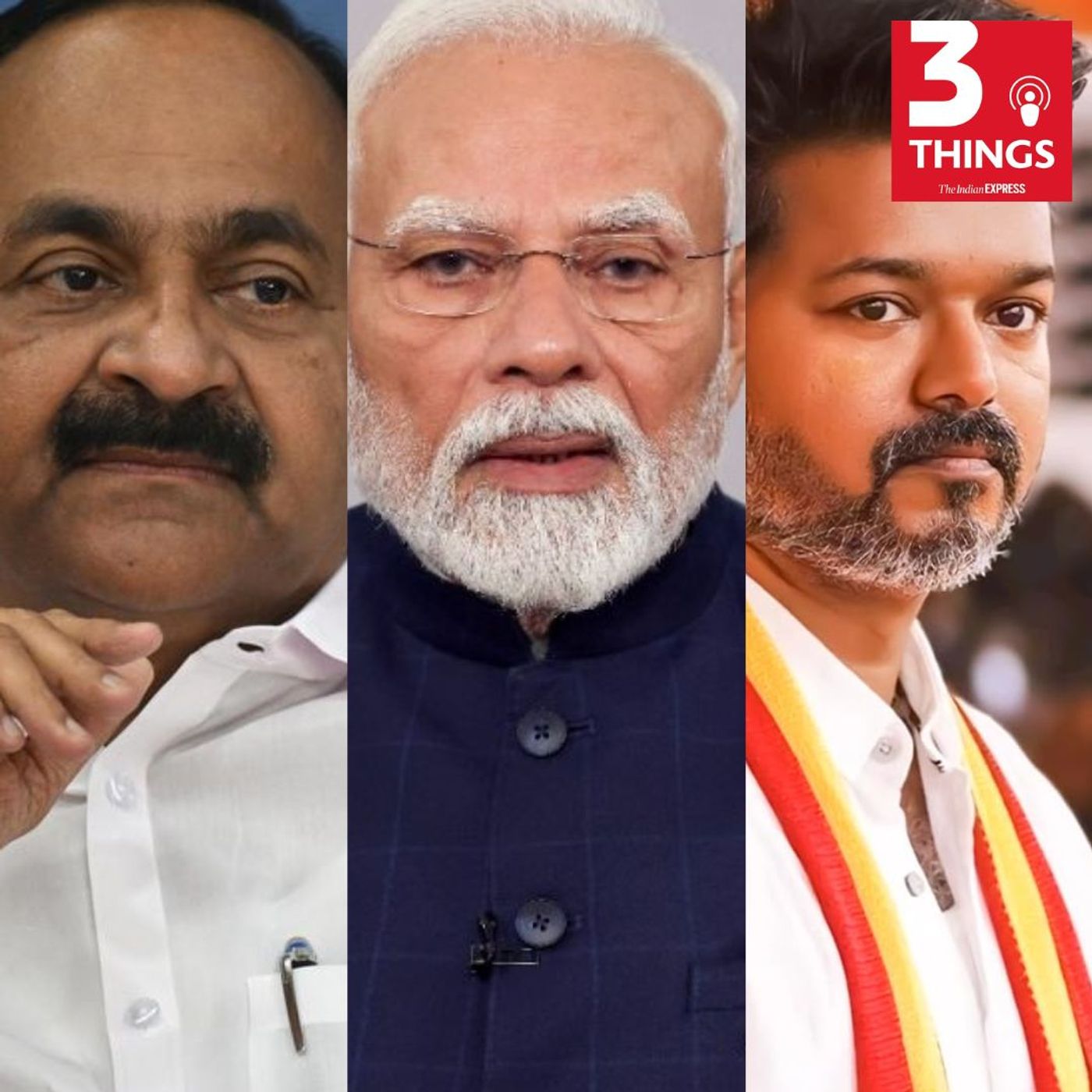
This episode of Three Things, from The Indian Express, dissects the results of the recent assembly elections in West Bengal, Assam, Kerala, Tamil Nadu, and Puducherry. It offers a granular analysis of the factors contributing to the electoral outcomes, including the BJP’s significant victory in West Bengal and the shifting political dynamics in Kerala and Tamil Nadu. The discussion is particularly beneficial for political analysts, strategists, and anyone seeking a deeper understanding of contemporary Indian electoral trends and the nuanced strategies employed by major political parties.
📋 Detailed Content Breakdown
• BJP’s West Bengal Landslide: The Bharatiya Janata Party secured a significant victory in West Bengal, ending the 15-year rule of the Trinamool Congress under Chief Minister Mamata Banerjee. Prime Minister Narendra Modi hailed the win as historic, symbolizing the BJP’s expanding influence across India. The narrative focused on overcoming fear and the long-awaited change that has arrived in the state.
• Tamil Nadu’s Political Reshuffle: Actor-turned-politician Vijay’s party, a relatively new entrant, made a significant impact in Tamil Nadu, narrowly missing the halfway mark in the 234-member assembly. This performance challenged the established DMK-led government of M.K. Stalin and disrupted the decades-long bipolar political landscape of the state.
• Kerala’s Left Democratic Front Victory: In Kerala, the Congress-led United Democratic Front was defeated by the Left Democratic Front, bringing an end to its decade-long tenure. This result marked the end of the last remaining Left government in the country.
• Shifting Sands in Puducherry and Assam: Puducherry saw the NDA, comprising the All India N.R. Congress and the BJP, retain control. Assam witnessed the BJP returning to power for a third consecutive term.
• Analysis of BJP’s Strategy in West Bengal: The BJP’s success in West Bengal is attributed to several factors: the anti-incumbency sentiment against the 15-year-old TMC government, the BJP’s organizational strength and extensive ground network, and their strategic messaging. The party actively worked to counter its “outsider” image by engaging in extensive campaigning and ensuring high-profile participation from national leaders.
• Factors Influencing Tamil Nadu’s Electoral Landscape: The discussion highlights how the BJP’s entry, while not securing a majority, has disrupted the established political binary. The “outsider” perception, a historical challenge for national parties in regional strongholds, remains a key factor. The BJP’s ability to navigate this and gain significant traction is noted.
💡 Key Insights & Memorable Moments
-
Shift in Bengali Identity Politics: The analysis suggests that while Mamata Banerjee’s “Bengali identity” and “rule of Delhi” narrative was a significant challenge, the BJP’s core messaging, including Hindu nationalism and the “development vs. appeasement” theme, resonated more deeply this time. The sentiment of wanting change and a desire for more than just welfare schemes, as expressed by some voters, indicates a shift in priorities.
-
The Evolving Nature of “Outsider” Politics: The episode notes that the BJP’s persistent efforts to overcome its “outsider” image in West Bengal, by focusing on national leaders and grassroots engagement, have yielded results. This indicates a potential recalibration in how regional politics perceives national party influence.
-
The Muslim Vote’s Nuance: The discussion debunks the monolithic view of the Muslim vote, particularly in Assam and West Bengal. It suggests that while the Muslim vote is crucial, polarization and specific demographic shifts, rather than a uniform bloc vote, played a more significant role in determining outcomes. The decline in the influence of the Muslim vote in swinging elections in certain regions is noted.
-
“Didi’s” Defensive Battle: Mamata Banerjee’s campaign is characterized as a defensive one, primarily focused on protecting the “Bengali identity” and opposing “outsider” influence. This strategy, while historically effective, was ultimately insufficient against the BJP’s multifaceted campaign and the strong desire for change among a significant portion of the electorate.
🎯 Way Forward
- Strengthen Grassroots Mobilization and Local Connect: Parties need to move beyond national narratives and focus on robust grassroots organization, especially in regions where they have historically been weak. This involves understanding local grievances and aspirations, as seen in the BJP’s success in West Bengal.
- Adapt Messaging for Diverse Electorates: A one-size-fits-all approach to messaging is ineffective. Parties must tailor their communication to resonate with specific regional identities and concerns, addressing issues like economic development, job creation, and local welfare beyond broad national themes.
- Address “Outsider” Perceptions Proactively: National parties must continue to develop and refine strategies to overcome “outsider” labels by integrating local leadership, focusing on regional development agendas, and demonstrating a genuine understanding of regional nuances.
- Foster Trust and Combat Disinformation: The analysis implicitly points to the need for political discourse based on facts and transparency. Addressing voter concerns about data transparency and countering disinformation, as hinted in the discussions about governance and law and order, will be crucial for building long-term trust.
- Focus on Governance and Development Over Identity Politics: While identity and regional pride are important, the increasing emphasis on tangible outcomes like job creation and economic progress suggests that future electoral success will hinge on demonstrating effective governance and a clear vision for development.