
🎯 Core Theme & Purpose
This episode delves into the stringent new safety regulations impacting India’s traditional bus body manufacturing industry, particularly in Rajasthan, and the subsequent challenges faced by small-scale businesses. It also touches upon NASA’s Artemis II mission, highlighting the renewed interest in lunar exploration and the strategic geopolitical implications of human space travel. The discussion would be most beneficial for stakeholders in the automotive manufacturing sector, policymakers, and individuals interested in the future of space exploration and international competition.
📋 Detailed Content Breakdown
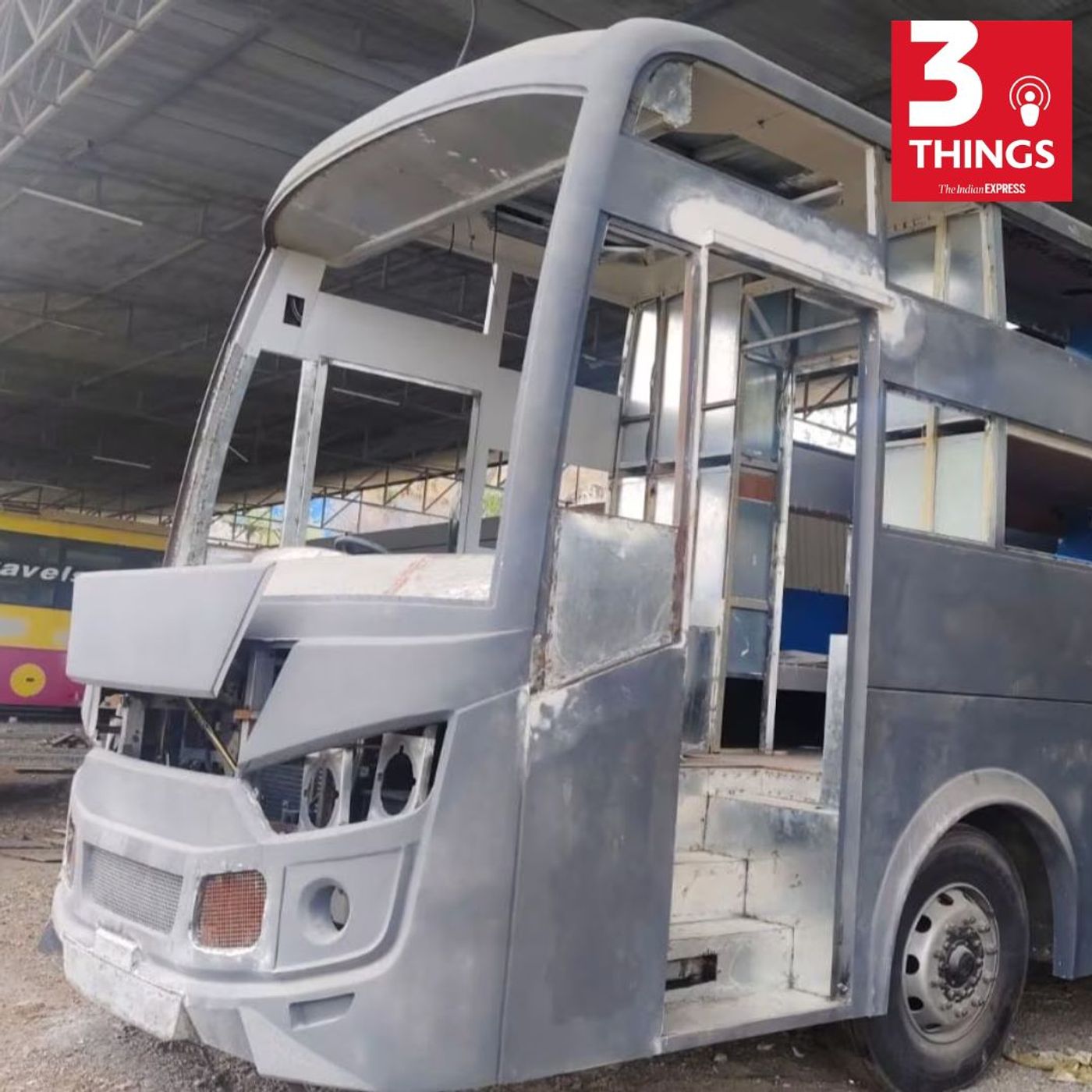
• Rajasthan’s Bus Body Industry Under Pressure: Following a series of bus fires, the government has implemented stricter safety norms, including fire safety, evacuation systems, and structural testing. These regulations, while aimed at enhancing passenger safety, have been described as “frozen work” by manufacturers, leading to significant operational disruptions and financial strain for small businesses. The new rules impose substantial costs and complex procedures, raising concerns about the industry’s viability.
• The Burden of New Regulations: Manufacturers are required to procure chassis from major companies, a process now subject to rigorous licensing and increased costs. The overall expense for building a bus, including the chassis, body, and air conditioning, has escalated dramatically. This financial burden, coupled with lengthy approval processes, is pushing many small workshops towards the brink of closure, impacting livelihoods built over generations.
• Accountability and the Bigger Picture: Small bus body manufacturers argue they are being unfairly burdened with the cost of safety failures, while the core components responsible, such as chassis and engines, are manufactured by large, multi-million dollar corporations. They contend that accountability should be spread across operators and component manufacturers, not solely placed on the body builders who assemble the final product. The perceived lack of oversight on larger entities while smaller ones face stringent penalties is a major point of contention.
• The Artemis II Mission: A New Era of Lunar Exploration: NASA’s Artemis II mission marks the first human journey to the moon’s vicinity in over five decades. The four-member crew, including astronauts from the US and Canada, will circle the moon without landing, serving as a critical test of systems before the planned landing mission in 2028. This mission signifies a renewed global emphasis on lunar exploration, driven by scientific curiosity and the potential for long-term human presence and resource utilization.
• Geopolitical Rivalry and the Space Race: The current lunar ambitions are underscored by a palpable sense of competition, particularly with China’s parallel space program and its stated goal of a human lunar landing by 2030. Unlike the Cold War space race, the current landscape involves multiple nations and private entities, creating a complex dynamic. The strategic imperative is not just about planting a flag but about securing potential lunar resources, establishing bases, and utilizing the moon as a stepping stone for deeper space exploration, such as missions to Mars.
• Legal Challenges and Judicial Scrutiny: The Supreme Court’s strong criticism of the West Bengal government highlights a breakdown in administrative oversight regarding the safety of public transport. The court’s intervention, prompted by an attack on judicial officers during election-related duties, underscores the judiciary’s role in ensuring the rule of law and protecting the integrity of democratic processes. The directive for a CBI or NIA investigation signals the seriousness with which the apex court views the incident and its implications for judicial independence.
💡 Key Insights & Memorable Moments
- Counterintuitive Revelation: The stringent safety regulations, while necessary, are disproportionately impacting small bus body manufacturers in Rajasthan, potentially crippling a traditional industry built over generations.
- Expert Opinion: “We are being asked to bear the cost of a system where accountability should be spread across operators and component manufacturers, not just us.” - Representative of small bus body manufacturers.
- Data Point: The cost of obtaining a license for bus body manufacturing has reportedly increased from ₹60,000 to ₹1 crore, with chassis alone costing ₹45-50 lakh.
- Strategic Shift in Space Exploration: The focus has moved from a symbolic “race to the moon” (Apollo era) to a long-term strategy involving lunar bases, resource utilization, and the moon as a potential launchpad for Mars missions.
- Judicial Intervention: The Supreme Court’s sharp rebuke of the West Bengal government over the attack on judicial officers signifies a critical juncture where the judiciary is stepping in to uphold the rule of law and protect its own officers from intimidation.
🎯 Way Forward
- Phased Regulatory Implementation: Implement new safety regulations in phases, allowing small businesses time to adapt and invest in necessary upgrades, potentially with government subsidies or low-interest loans. This acknowledges the economic realities of small enterprises while still prioritizing safety.
- Public-Private Partnerships for Lunar Missions: Foster stronger collaborations between government space agencies and private companies to share the immense cost and technological challenges of deep space exploration, accelerating progress and innovation.
- Streamline Licensing and Certification: Simplify and expedite the licensing and certification processes for bus body manufacturers while maintaining rigorous safety standards. This would reduce bureaucratic hurdles and allow businesses to focus on compliance and production.
- Independent Oversight for Safety Compliance: Establish independent bodies to audit and ensure compliance across all tiers of the automotive supply chain, from component manufacturers to bus operators, ensuring shared responsibility for safety.
- International Lunar Cooperation: Encourage international collaboration on lunar missions beyond competition, focusing on shared scientific goals and the establishment of a sustainable lunar presence, which could benefit all participating nations.