
🎯 Core Theme & Purpose
This episode dissects critical issues within India’s legislative and governance processes, specifically focusing on the Punjab anti-sacrilege law controversy and the Agnipath scheme’s evolving recruitment dynamics. It highlights concerns about legislative scrutiny, the balance of power between branches of government, and the military’s need for experienced personnel. The discussion is valuable for citizens interested in political accountability, defense policy, and the functioning of democratic institutions in India.
📋 Detailed Content Breakdown
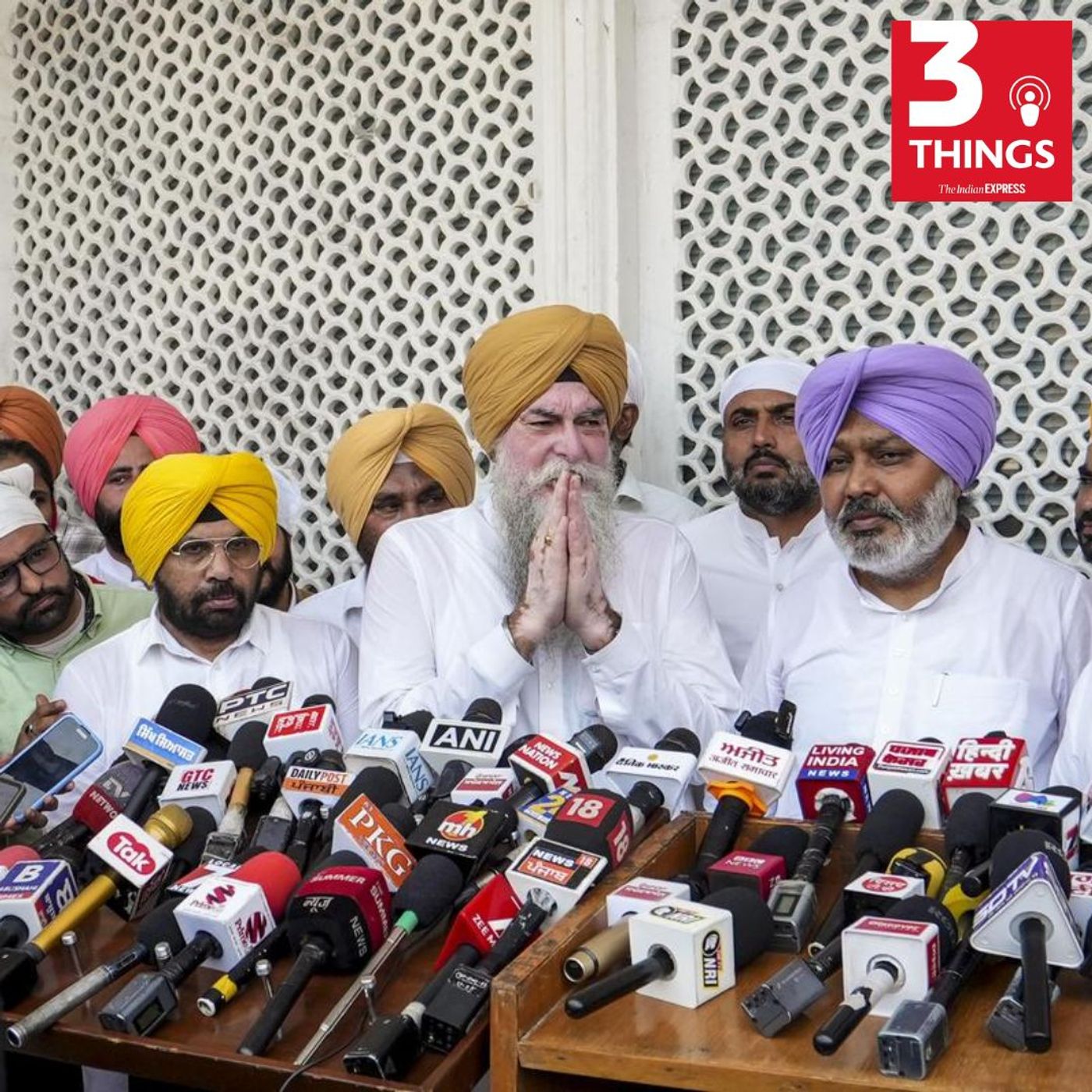
• Punjab’s Anti-Sacrilege Law Controversy: The debate centers on MLAs admitting they passed recent anti-sacrilege legislation without reading it, leading to a broader discussion on legislative diligence. This highlights a potential disconnect between lawmakers and the sensitive religious matters they legislate on, raising questions about the effectiveness of the legislative process. • Agnipath Scheme Recruitment Changes: The armed forces are seeking to retain a larger percentage of Agniveers beyond the initial four-year tenure, moving from the current 25% retention. This shift is driven by the need for experienced personnel, especially in technically demanding services like the Navy, and the initial success of the scheme in its early batches. • Legislative Scrutiny and the Anti-Defection Law: The anti-defection law, introduced in 1985 to curb party hopping, is discussed as potentially hindering independent legislative thinking. While ensuring government stability, it may force elected representatives to follow party lines even when they have genuine concerns, thereby weakening their ability to scrutinize bills effectively. • The Role of Select Committees: Select committees are crucial for detailed legislative scrutiny, allowing for expert testimony and stakeholder consultations. However, the discussion points out that such rigorous examination is rarely utilized, with many bills being passed quickly without adequate debate or amendment, as exemplified by the Punjab case. • Operational Impact of Agniveers: Following operations like “Sudarshan” (Sindoor) and others, the armed forces have recognized the need for more experienced manpower in technically complex roles. The performance of Agniveers in these operations has been noted, influencing the push for higher retention rates to leverage their growing expertise. • Badrinath Temple Donation Irregularities: A suspension and probe into alleged irregularities in handling donations at Badrinath Dham have led to the formation of a high-level committee. This incident, mirroring issues at Ayodhya, has prompted a broader call for enhanced transparency and accountability in managing religious offerings and a potential re-evaluation of related processes.
💡 Key Insights & Memorable Moments
• “The debate is far beyond Punjab.” This statement emphasizes that the issues of legislative diligence and hasty law-making are not isolated incidents but reflect a national concern. • The paradox of the anti-defection law: While intended to promote stability, it may inadvertently stifle independent thought and scrutiny by elected representatives, turning them into party loyalists rather than critical legislators. • “The bill was tabled and it was handed to them only when it was being tabled.”: This quote from the Punjab case underscores the perceived lack of proper legislative process and understanding of critical bills. • The push for higher Agniveer retention: Driven by the armed forces’ recognition of the value of experienced personnel, particularly in technically advanced branches like the Navy, and influenced by recent operational successes. • “The government’s response has been that they have a clear electoral mandate and they should not delay legislation unnecessarily.”: This highlights a common justification for rapid bill passage, often overriding concerns about thorough review.
🎯 Way Forward
- Strengthen Legislative Scrutiny Mechanisms: Implement mandatory minimum debate times and robust committee review periods for all significant legislation to ensure thorough understanding and public input, mirroring the ideal function of select committees. This matters to ensure laws are well-crafted and serve their intended purpose.
- Enhance Transparency in Religious Institution Finances: Establish clear, standardized auditing and oversight frameworks for all major religious trusts and temples to prevent financial impropriety and build public trust in the management of donations. This is crucial for maintaining public confidence and preventing misuse of funds.
- Re-evaluate Agniveer Retention Policies Based on Performance: Continuously assess the performance and retention needs of Agniveers across all services, adjusting retention percentages based on skill acquisition, operational requirements, and long-term force readiness goals. This ensures the Agnipath scheme evolves to meet the military’s dynamic needs.
- Promote an Independent Legislative Culture: Encourage and protect the right of elected representatives to scrutinize bills critically, potentially through reforms that reduce the punitive impact of the anti-defection law on genuine dissent and independent analysis. This fosters a healthier balance of power and more robust law-making.
- Invest in Continuous Training and Skill Development for Agniveers: Beyond initial training, ensure structured pathways for Agniveers to acquire advanced technical and operational skills, making them indispensable assets for longer service tenures and critical roles within the armed forces. This maximizes the return on investment in the Agnipath scheme.