
🎯 Core Theme & Purpose
This episode explores three significant ongoing events: a contentious political scandal involving the Punjab Chief Minister, allegations of evidence fabrication, and a police counter-investigation. It also details the deepening inquiry into alleged financial irregularities, including theft of donations, within the high-profile Ram Temple Trust in Ayodhya. Finally, the podcast provides an update on the severe monsoon weather impacting Western and Central India, highlighting associated landslides and casualties. The episode aims to inform listeners about the complexities and multifaceted implications of these major national headlines.
📋 Detailed Content Breakdown
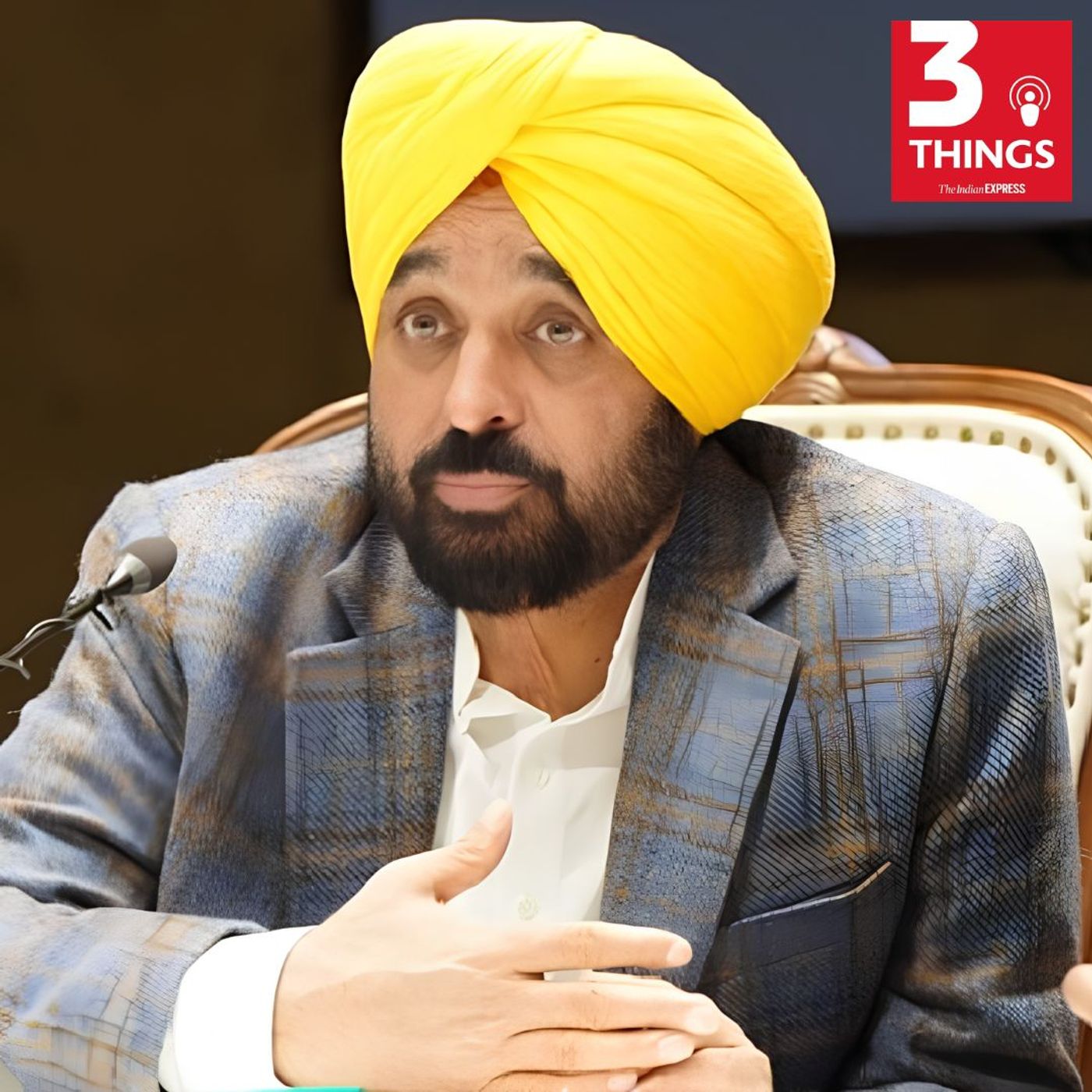
• Controversial Video and Akal Takht’s Stance on Punjab CM Bhagwant Mann: A video, allegedly showing Punjab CM Bhagwant Mann drinking alcohol in front of Sikh Gurus’ portraits, ignited a major controversy. The Akal Takht Sahib, the highest religious authority in Sikhism, consequently declared Mann a “Guru Dokhi” and “Panth Virodhi.” CM Mann denies the video’s authenticity, claiming it depicts someone wearing a hyper-realistic mask as part of a political conspiracy against him.
• Alleged Fabrication of Forensic Reports and Subsequent Arrests: The Punjab government and Aam Aadmi Party submitted forensic reports purporting to prove the video was doctored. However, Gurgaon police launched a counter-investigation, arresting two individuals, Arun Mahindru and Ankit Bhardwaj, on charges of fabricating these reports. It was revealed that these reports were issued under the names of laboratories that were either non-existent or had no connection to the alleged work, raising serious questions about their credibility.
• Bribery Allegations and Traced Financial Transactions: The Gurgaon police investigation uncovered allegations that two senior Punjab Police officers pressured a complainant, Jaspreet, to hire the arrested “forensic experts” to produce a favorable report. In return, Jaspreet was allegedly given a bag containing 10 lakh rupees. Subsequent financial analysis by the police found that Jaspreet used 7.5 lakh rupees to pay a loan and distributed the remaining 2.5 lakh to Arun and Ankit, indicating a monetary incentive for a “tailor-made” report.
• Widening Scope of the Ayodhya Ram Temple Investigation: The investigation into alleged theft of donations at the Ram Temple has expanded beyond monetary pilferage to include scrutiny of recruitment practices, security protocols, financial records, and the handling of silver donations. Following these developments, General Secretary Champat Rai and trustee Anil Mishra submitted their resignations. The probe suggests that while minor thefts might have occurred earlier, the alleged irregularities became more organized and widespread during the last Mahakumbh period, coinciding with a surge in donations.
• Intense Monsoon Activity and Disaster Across India: The first low-pressure system of the monsoon season, originating in the Bay of Bengal, triggered heavy rainfall across Western and Central India, notably impacting Maharashtra, coastal Karnataka, and parts of Gujarat. Mumbai experienced at least 10 rain-related deaths, including a building collapse. Landslides blocked major routes like the Mumbai-Pune Expressway and Mumbai-Goa Highway. Authorities have issued red alerts for several districts in Maharashtra, warning of continued severe weather.
💡 Key Insights & Memorable Moments
- The Weight of Religious Censure: The rare and severe religious denouncement of a sitting Chief Minister as a “Guru Dokhi” by the Akal Takht highlights the profound intersection of religious authority and political leadership in India.
- Sophistication of Digital Deception: The allegations involving “hyper-realistic masks,” AI-generated content, and potentially fabricated forensic reports from phantom laboratories underscore the escalating complexity of digital misinformation and its implications for justice.
- Vulnerability of Sacred Institutions: Despite the immense public trust and extensive security, the investigation into the Ram Temple Trust reveals how even revered religious organizations can be susceptible to organized financial irregularities and internal conflicts, especially during periods of high public engagement.
- The Unseen Systemic Flaws in Security: The revelation that security gaps at the Ram Temple allowed counting agents to wear casual clothes without pockets and that some areas outside the counting room were managed by a private agency, points to critical oversight failures in high-security zones.
🎯 Way Forward
- Strengthen Forensic Science and Digital Forensics Standards: Implement stringent accreditation and oversight for forensic laboratories and experts, alongside continuous training in advanced digital forensics to counter sophisticated fabrication techniques, ensuring the integrity of evidence in legal proceedings.
- Enhance Transparency and Accountability in Religious Trusts: Mandate robust financial audit mechanisms, establish clear internal controls, and require public disclosure of donation management and expenditure for large religious trusts like the Ram Temple Trust to rebuild and maintain public confidence.
- Re-evaluate Public Safety and Infrastructure Preparedness: Conduct comprehensive audits of urban infrastructure, especially drainage systems and hillside stability in monsoon-prone regions, and enhance disaster response protocols, including effective communication strategies to ensure public safety.
- Investigate and Prosecute Allegations of Official Misconduct: Launch independent, thorough investigations into allegations of police officers coercing individuals to produce false reports or accepting bribes, holding all involved accountable to uphold the rule of law and deter corruption within public services.
- Formalize Oversight for Manpower Outsourcing in Sensitive Areas: Establish clear guidelines and oversight mechanisms for hiring private manpower agencies, especially for sensitive tasks like counting public donations, to ensure accountability, background checks, and adherence to security protocols.