
🎯 Core Theme & Purpose
This episode delves into significant policy shifts and controversies surrounding education in India. It highlights the reversal of hijab bans in Karnataka, the implementation of a new three-language policy by CBSE, and the allegations of a NEET exam paper leak. The discussion is particularly relevant for students, parents, educators, and policymakers concerned with the evolving educational landscape and the integrity of examination processes in India.
📋 Detailed Content Breakdown
• Karnataka Hijab Ban Reversal: The Congress government in Karnataka has reversed the previous BJP government’s order banning hijabs in schools and pre-university colleges. This decision allows students to wear religious symbols like hijabs, turbans, and sacred beads, framing it as a measure to uphold cultural heritage and allow student autonomy. However, the opposition, including the BJP, has criticized this move as appeasement politics, while the JDS linked the timing to the Congress’s narrow victory margin in the recent Davanagere South by-election.
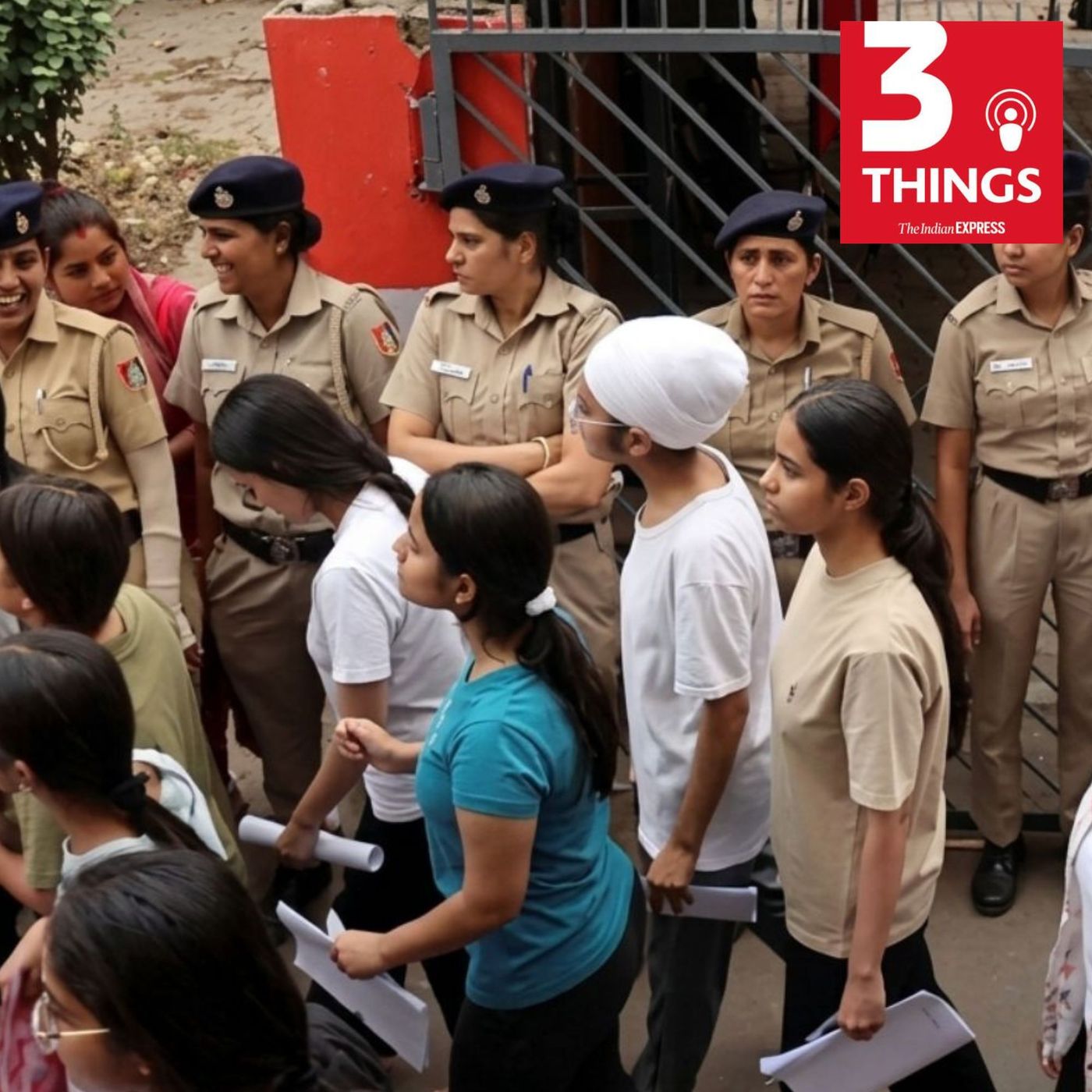
• NEET Exam Paper Leak Allegations: The National Testing Agency (NTA) received a complaint about a potential leak of the NEET exam paper shortly after the exam was conducted. Investigations revealed that a significant portion of the questions in the leaked paper matched those in the actual exam. This led to the cancellation of the exam and the decision to conduct a re-test without charging any fees, impacting a large number of aspirants.
• New CBSE Three-Language Policy: The Central Board of Secondary Education (CBSE) has mandated that students in Class 9 will have to study three languages, with at least two of them being native Indian languages, starting from the upcoming academic year. This policy aims to align with the National Education Policy 2020 and promote linguistic diversity. However, it presents practical challenges for schools, particularly those in English-medium streams, due to the potential shortage of language teachers and the need for updated curriculum materials.
• NEET Re-test and Systemic Issues: Following the NEET paper leak, discussions have arisen about transitioning to a computer-based test (CBT) format. While acknowledging potential benefits in terms of preventing leaks, concerns remain about internet connectivity and technical glitches. The government has indicated a potential move towards CBT for NEET, but its full implementation and implications are still under consideration. The re-test will be conducted without fees for affected students.
• Widespread Impact of Exam Irregularities: The NEET exam leak has had a devastating impact on students, with reports of several suicides across the country following the news. The pressure to perform, coupled with the uncertainty and delays caused by exam cancellations, highlights the severe mental and emotional toll on aspirants. The episode touches upon the need for robust support systems for students facing such high-stakes situations.
• Legal and Political Ramifications: The hijab ban reversal and the NEET exam leak have sparked significant political debate and legal challenges. The Supreme Court’s split verdict on the hijab ban and the ongoing investigations into the NEET leak underscore the complexity of balancing religious freedom, educational policy, and exam integrity. The government’s response, including offering re-tests and reconsidering examination formats, reflects an effort to address these challenges.
💡 Key Insights & Memorable Moments
• The reversal of the hijab ban in Karnataka, while framed as upholding cultural heritage, is viewed by the opposition as politically motivated appeasement, particularly in the context of recent electoral outcomes.
• The NEET paper leak incident reveals systemic vulnerabilities in the examination process, leading to widespread distress among students and prompting discussions about more secure testing formats like CBT.
• The CBSE’s new three-language policy, while promoting Indian languages, poses logistical hurdles for schools, especially regarding the availability of qualified teachers and the development of new study materials.
• The episode highlights the precarious mental state of students facing high-stakes exams, underscored by tragic reports of suicides following the NEET leak, emphasizing the need for greater support systems.
🎯 Way Forward
- Strengthen Examination Security: Implement advanced technological solutions and stringent protocols for conducting national-level entrance exams like NEET to prevent future paper leaks and ensure fairness. This is critical for maintaining the credibility of the selection process.
- Address Teacher Shortages in Language Education: Proactively recruit and train teachers for native Indian languages to support the CBSE’s three-language policy, ensuring smooth implementation and quality education for all students.
- Enhance Mental Health Support for Students: Establish comprehensive mental health counseling and support services within educational institutions to help students cope with the pressure of examinations and the impact of exam irregularities.
- Develop Robust Grievance Redressal Mechanisms: Create efficient and transparent channels for students to report issues related to examinations and admissions, ensuring timely and fair resolution of grievances.
- Promote Inclusive Educational Policies: Foster an environment where diverse cultural and religious expressions are respected within educational institutions, balancing academic standards with inclusivity and student well-being.