
🎯 Core Theme & Purpose
This episode delves into the critical intersection of political activism, public health crises, and bureaucratic failures in India. It highlights a deeply concerning case of neglect leading to a preventable death, alongside the complexities of parliamentary proceedings amidst political maneuvering. The discussion is particularly relevant for citizens seeking to understand systemic inefficiencies, the challenges faced by vulnerable populations, and the political dynamics that impact public welfare.
📋 Detailed Content Breakdown
• Preventable Death Due to Bureaucratic Neglect: The episode details the tragic story of Ratan Lakra, a 75-year-old tuberculosis patient in Jharkhand, who died waiting to withdraw his own pension of ₹8,000. His family faced a year-long ordeal with the Jharkhand Gramin Bank for KYC updates, illustrating the severe hurdles faced by the elderly and illiterate in rural India when accessing essential welfare benefits. The lack of timely assistance and the cumbersome process ultimately cost Ratan his life.
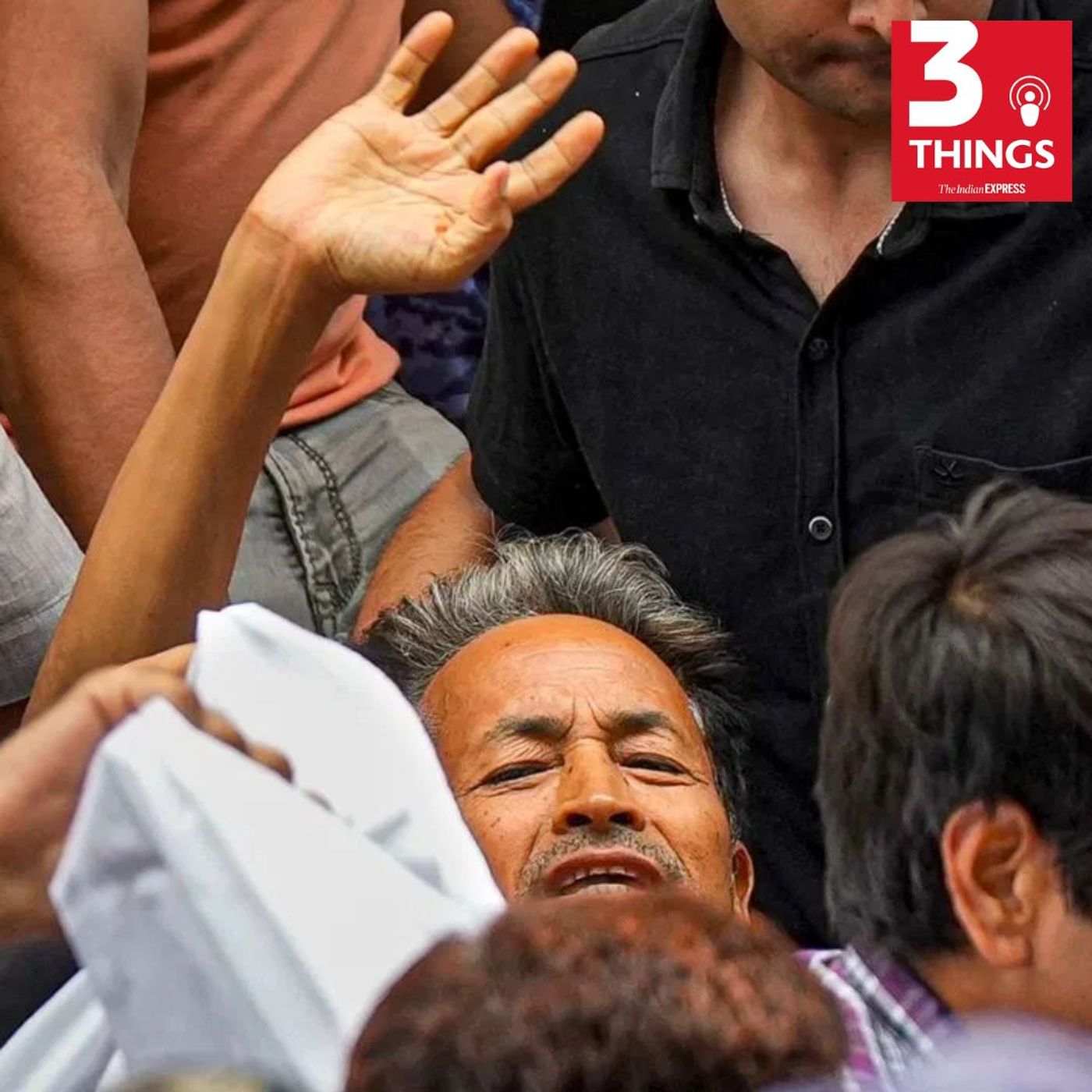
• Controversial Evacuation of Activist Sonam Wangchuk: The removal of activist Sonam Wangchuk from the protest site at Jantar Mantar by Delhi police is presented as a significant political flashpoint. Wangchuk had been on a hunger strike demanding the resignation of the Education Minister over an alleged NEET UG paper leak. The manner of his removal, described as a “commando-style” operation, has reignited protests and drawn criticism for allegedly trying to suppress dissent ahead of the monsoon session.
• Parliamentary Monsoon Session Amidst Political Shifts: The episode previews the commencement of the monsoon session of Parliament, marked by political realignments and a charged atmosphere. The shift of 37 MPs from four opposition parties to the BJP-led NDA is noted, strengthening the government’s numbers. However, the government’s cautious approach, shelving a bill to remove MPs for serious offenses and postponing a committee meeting on higher education, signals strategic maneuvering rather than immediate legislative action.
• Women’s Reservation Bill and Political Calculus: The government’s intention to reintroduce the Women’s Reservation Bill, which failed in the Lok Sabha previously, is discussed. The political calculation behind this move is examined, with concerns raised by the DMK and SP regarding the proposed 50% reservation for women in the legislative package. The government’s current stance suggests a wait-and-watch approach, contingent on the final text of the bill and the prospect of gaining support from various parties.
• Escalating Tensions at Jantar Mantar and Protester Demands: Following Wangchuk’s removal, the focus of the Jantar Mantar protest has shifted. While Dharmendra Pradhan’s resignation remains a core demand, the protesters are now also emphasizing the right to protest and dissent itself. The recent events, including the removal of Wangchuk and the subsequent larger gatherings, indicate a potential escalation of the movement, with protesters seeking dialogue and transparency on issues like the NEET exam irregularities.
• The NEET Exam Scandal and its Ramifications: The alleged NEET UG paper leak continues to be a major point of contention, fueling the ongoing protests. The scale of the alleged exam irregularities and the subsequent investigations are highlighted as significant concerns. The government’s response and the ongoing debates surrounding the NEET exam underscore the deep-seated issues within the examination system and the widespread public demand for accountability.
💡 Key Insights & Memorable Moments
- “The irony is that the money needed for his treatment was actually his own pension savings.” This quote underscores the tragic paradox of Ratan Lakra’s situation – his own funds, meant to sustain him, were inaccessible, leading to his death.
- The “commando-style” removal of Sonam Wangchuk is presented not just as an act of law enforcement, but as a deliberate political move to quell dissent and control the narrative surrounding the protests.
- The shifting of MPs to the NDA is seen as a calculated strategy to bolster the government’s numbers, particularly as it prepares to reintroduce potentially contentious legislation like the Women’s Reservation Bill.
- The “wait-and-watch” approach of the government on key legislative matters, like the delimitation bill, suggests a cautious political strategy aimed at gauging opposition support and minimizing potential setbacks.
- The bureaucratic hurdles faced by Ratan Lakra’s family highlight a broader systemic failure, where essential services remain inaccessible due to a lack of digital literacy, administrative support, and empathy for vulnerable citizens in rural India.
🎯 Way Forward
- Streamline E-KYC and Pension Withdrawal Processes for Rural Populations: Why it matters: The case of Ratan Lakra exemplifies the life-threatening consequences of inaccessible digital and bureaucratic processes. Implementing user-friendly, offline alternatives and ensuring adequate human support at bank branches is crucial for elderly and illiterate citizens.
- Strengthen Grievance Redressal Mechanisms for Welfare Schemes: Why it matters: A robust and responsive system is needed to handle complaints and resolve issues promptly, preventing tragedies like Ratan’s death. Establishing dedicated helplines and accessible administrative channels can ensure that citizens’ concerns are addressed effectively.
- Ensure Transparency and Accountability in Examination Processes: Why it matters: The NEET paper leak scandal erodes public trust in educational institutions. Implementing stringent security measures, independent oversight, and swift, decisive action against perpetrators is essential to restore faith in the system.
- Foster Genuine Dialogue and De-escalation in Political Protests: Why it matters: The forceful removal of activists like Sonam Wangchuk can often backfire, galvanizing support and escalating tensions. The government should prioritize dialogue and address protesters’ grievances constructively rather than resorting to measures that can be perceived as suppressive.
- Re-evaluate the Accessibility and User-Friendliness of Digital Government Services: Why it matters: While digitization offers efficiency, it must not exclude vulnerable sections of society. Digital services need to be designed with inclusivity in mind, offering multi-lingual support, physical alternatives, and accessible assistance for those with limited digital literacy or facing specific challenges.