
🎯 Core Theme & Purpose
This episode delves into the recent political landscape of India, focusing on the BJP’s landslide victory in Assam and its implications. It also touches upon the ongoing allegations of sexual harassment within the wrestling federation and the challenges faced by women athletes. The discussion further explores West Bengal’s upcoming implementation of a national health insurance scheme. This episode is particularly beneficial for political analysts, sports enthusiasts, and individuals interested in public policy and healthcare initiatives in India.
📋 Detailed Content Breakdown
• Assam Election Analysis: The BJP secured a decisive victory in Assam, winning 82 out of 126 assembly seats, securing a full majority for the first time in its history in the state. This marks a significant achievement, especially given the party has been in power for a decade. The NDA coalition’s performance, including its allies, reached 102 seats, indicating a strengthening of its position.
• Congress’s Steep Decline in Assam: The Congress party, once a dominant force in Assam’s politics, experienced its worst-ever performance, securing only 19 seats. This represents a drastic drop from its previous performance and highlights a significant erosion of its support base in the state. The party’s inability to counter the BJP’s narrative and connect with voters contributed to this downfall.
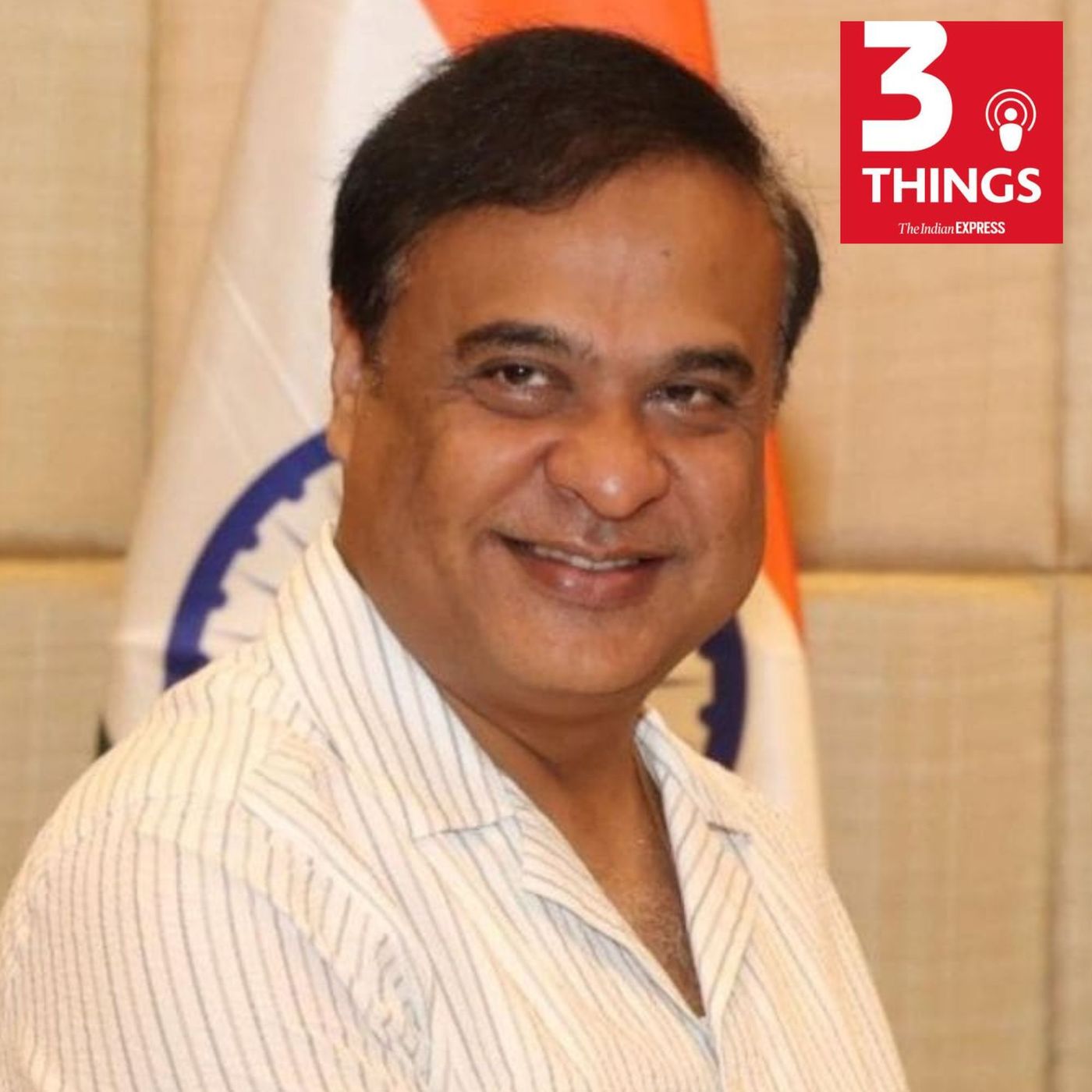
• Factors Behind BJP’s Success in Assam: The BJP’s win is attributed to a combination of factors, including the popularity of welfare schemes, focus on development projects and infrastructure, and the personal connect of Chief Minister Himanta Biswa Sarma. The party’s effective campaigning and strong organizational machinery also played a crucial role in mobilizing voters.
• Wrestler’s Allegations and Athlete’s Safety: The episode highlights the allegations of sexual harassment against former Wrestling Federation of India (WFI) president Brij Bhushan Sharan Singh. Wrestler Vinesh Phogat revealed she was one of the six complainants, forced to disclose her identity due to the lack of progress in the case and the decision to hold a major tournament in Uttar Pradesh, a region where Singh holds considerable influence. This situation raises serious concerns about athlete safety and the accountability of sports federations.
• Challenges for Wrestlers: Vinesh Phogat’s decision to speak out comes after a significant period of silence, driven by a lack of support and fear of reprisal. The case underscores the difficulties athletes face in speaking out against powerful figures in sports, particularly when allegations involve high-profile individuals with strong political connections.
• West Bengal’s Health Insurance Rollout: West Bengal is set to implement the Ayushman Bharat Pradhan Mantri Jan Arogya Yojana (AB-PMJAY), the central government’s flagship health insurance scheme. This move aims to provide health coverage of ₹5 lakh to eligible families and senior citizens, potentially benefiting a large segment of the population. The state’s prior hesitancy was reportedly due to political considerations and the existence of its own welfare schemes.
💡 Key Insights & Memorable Moments
• The BJP’s consistent growth in Assam over the past decade, despite being in power, is a testament to its evolving political strategy and ability to maintain public support. This longevity in power, coupled with an increase in seat share, challenges conventional political wisdom.
• Vinesh Phogat’s decision to go public with her allegations, especially during her comeback to wrestling, highlights the immense courage required for athletes to speak truth to power. Her statement, “I am one of the victims,” delivered with evident distress, underscores the personal toll of such experiences.
• The perceived influence of Brij Bhushan Sharan Singh in Uttar Pradesh, where the key wrestling tournament is being held, raises serious questions about fairness and impartiality in sports governance. The decision to host the event in his stronghold despite ongoing allegations creates a challenging environment for the accusers.
• The political maneuvering behind the delay and eventual adoption of the Ayushman Bharat scheme in West Bengal illustrates how policy decisions can be influenced by electoral considerations, even when public welfare is at stake.
🎯 Way Forward
- Strengthen Athlete Protection Mechanisms: Implement robust and independent grievance redressal systems within sports federations, ensuring confidentiality and protection from retaliation for whistleblowers. This is crucial to encourage athletes to report misconduct without fear.
- Ensure Fair Play in Sports Governance: Investigate and address allegations of undue influence by officials with political or personal connections to ensure fair selection processes and tournament hosting. This will restore faith in the integrity of sports.
- Prioritize Universal Health Coverage: Expedite the implementation of schemes like Ayushman Bharat in all states, ensuring genuine reach and accessibility to the most vulnerable populations. This is vital for public health outcomes and socioeconomic equity.
- Promote Transparency in Political Campaigning: Encourage political parties to focus on policy and governance rather than divisive rhetoric or leveraging personal influence, fostering a more constructive political discourse.
- Empower Marginalized Voices: Support individuals, especially women, who come forward with serious allegations, ensuring their voices are heard and their concerns addressed through fair and timely processes.