
🎯 Core Theme & Purpose
This episode delves into critical issues facing India, focusing on the burgeoning field of AI data centers and their infrastructural needs, the persistent societal problem of dowry deaths and judicial responses, and the controversial proposal to restrict non-Hindu entry into certain temples. It offers a nuanced perspective on technological advancement, legal challenges, and religious sensitivities, benefiting policymakers, legal professionals, tech enthusiasts, and those interested in socio-cultural discourse in India.
📋 Detailed Content Breakdown
• AI Data Centers and India’s Ambitions: The discussion highlights India’s push to establish AI data centers, positioning them as crucial for the nation’s technological progress and global competitiveness. These centers are noted to be significantly more demanding in terms of computing power and specialized infrastructure, like GPUs, compared to traditional data centers. India aims to leverage this for economic growth and job creation, though challenges in bridging the gap with global leaders like the US and China remain.
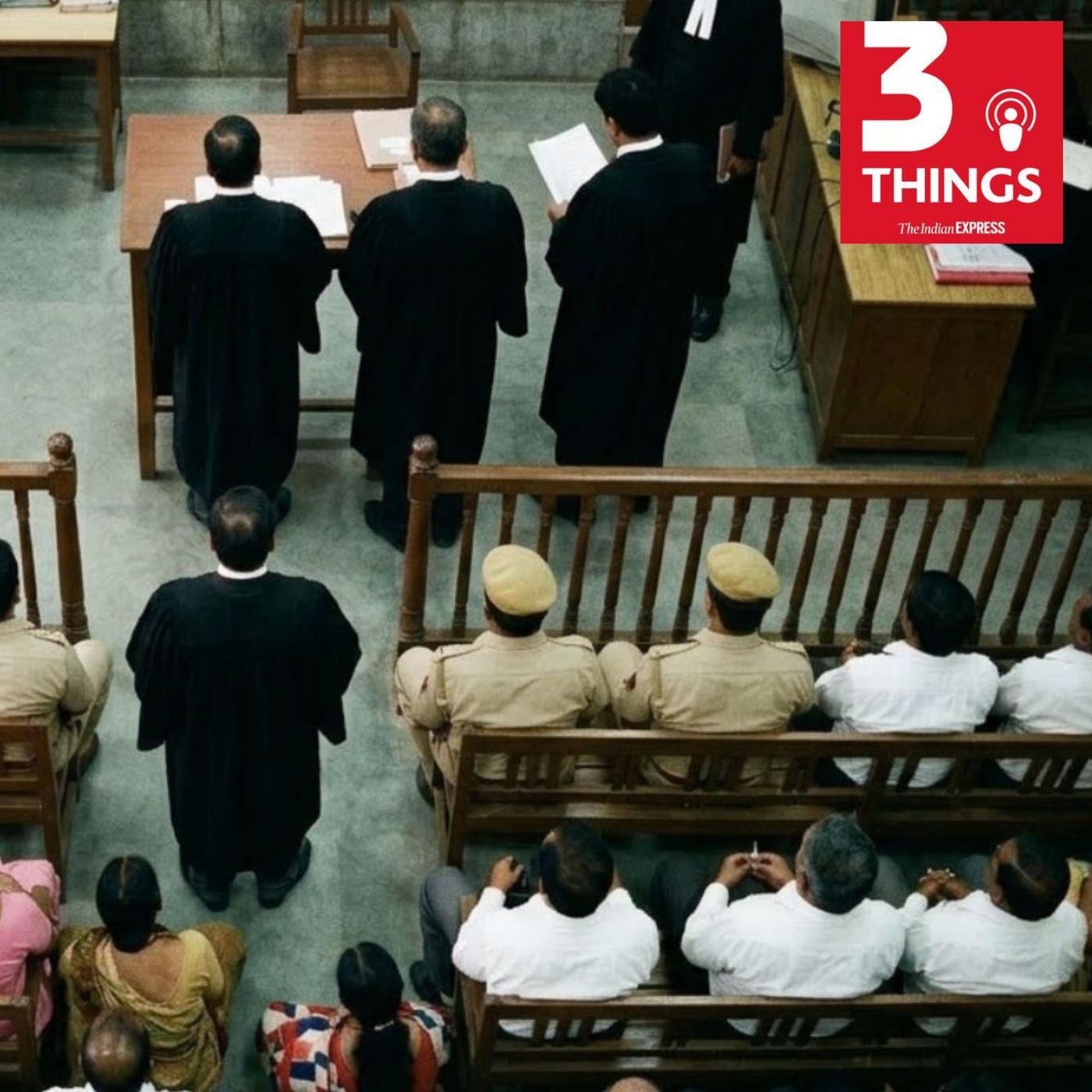
• Dowry Deaths and Judicial Scrutiny: The episode critically examines the ongoing issue of dowry deaths in India, with a stark 14% increase in registered cases in 2023 and over 6,100 deaths reported. It details a Supreme Court case that questioned a High Court’s decision to grant bail in a dowry death case, highlighting the judicial struggle to balance legal presumptions against the accused with the need for robust evidence. The analysis reveals inconsistencies in how courts handle such cases, particularly concerning the reliance on post-mortem reports and the interpretation of “dowry demand” evidence.
• The Controversial Temple Entry Proposal: A significant portion of the discussion revolves around a proposal to ban non-Hindus from entering religious sites like Kedarnath and Badrinath, along with 45 other temples. This move, framed as preserving sanctity, has drawn criticism from the Congress party, who argue it could also affect constitutional rights and the visits of figures like the Governor. The proposal necessitates a declaration of faith, raising questions about religious inclusivity and secular principles.
• Infrastructure Demands of AI Data Centers: Experts liken building AI infrastructure to a five-layer cake, with the foundational layers encompassing land, electricity, and water. The subsequent layers involve advanced computing chips (GPUs) and vast datasets, culminating in AI models and user-facing applications. The immense power and water consumption of these centers, potentially rivaling that of small cities, raises environmental concerns, especially in water-scarce regions like India.
• The Role of GPUs and AI Models: The episode clarifies that GPUs are central to AI data centers due to their ability to process vast amounts of data in parallel, a significant upgrade from traditional CPUs. These GPUs are trained on massive datasets and power large language models that form the backbone of generative AI applications. The sheer scale of computational power and data processing required underscores the necessity for dedicated, high-capacity AI data centers.
• Environmental and Resource Concerns: The substantial energy and water footprint of AI data centers is a recurring concern. With estimates suggesting that AI data centers consume electricity comparable to entire cities and vast quantities of water for cooling, experts question the sustainability of this rapid expansion. The reliance on non-renewable energy sources for powering these centers further exacerbates environmental anxieties.
💡 Key Insights & Memorable Moments
- The ambition to build AI data centers is projected to be the largest infrastructure build-out in human history, driven by the need to process vast amounts of data and power advanced AI models.
- A statistic that stood out was the 14% increase in dowry death cases in India in 2023, highlighting the persistent societal challenge and the complexities faced by the judiciary in addressing it.
- Expert insight from Aastha Kapoor on AI data centers: “We have not done the cost-benefit analysis of the massive resources these data centers consume and the benefits that we get from it.”
- The analogy of AI infrastructure being a “five-layer cake” effectively breaks down the complex components involved, from basic resources to advanced AI models.
🎯 Way Forward
- Develop Sustainable AI Infrastructure: Prioritize the development of AI data centers powered by renewable energy sources to mitigate their significant environmental impact, particularly concerning water consumption and carbon emissions. This is critical for India’s long-term sustainability goals.
- Strengthen Judicial Frameworks for Dowry Deaths: The legal system needs to adopt a more consistent and robust approach to prosecuting dowry death cases, ensuring that presumptions of guilt are supported by thorough investigation and evidence, thereby deterring such crimes.
- Foster Inclusivity in Religious Sites: Re-evaluate and potentially revise policies that restrict entry into religious places based on faith, ensuring that such decisions uphold secular principles and constitutional rights, rather than creating division.
- Promote Indigenous AI Talent and Job Creation: While focusing on attracting foreign investment, create targeted policies to ensure that the growth of the AI sector also benefits local communities through accessible job opportunities and skill development programs, addressing concerns about job displacement and underrepresentation.
- Conduct Comprehensive Environmental Impact Assessments: Before approving new AI data center projects, rigorous environmental impact assessments should be mandatory, focusing on energy consumption, water usage, and waste management, to ensure responsible technological development.