
🎯 Core Theme & Purpose
This episode delves into two significant political and defense-related events in India. Firstly, it scrutinizes an AI-generated video that has put the Assam BJP in a difficult position, sparking controversy and highlighting the ethical implications of such technology in political discourse. Secondly, it covers the BJP’s escalating rhetoric against Bengali Muslims in Assam and the wider implications for inter-community relations. The discussion also touches upon India’s defense advancements, specifically the procurement of Rafale fighter jets and maritime surveillance aircraft, and concludes with the BJP’s significant gains in the Odisha state assembly elections. This episode is particularly relevant for political analysts, defense strategists, social commentators, and citizens interested in contemporary Indian affairs.
📋 Detailed Content Breakdown
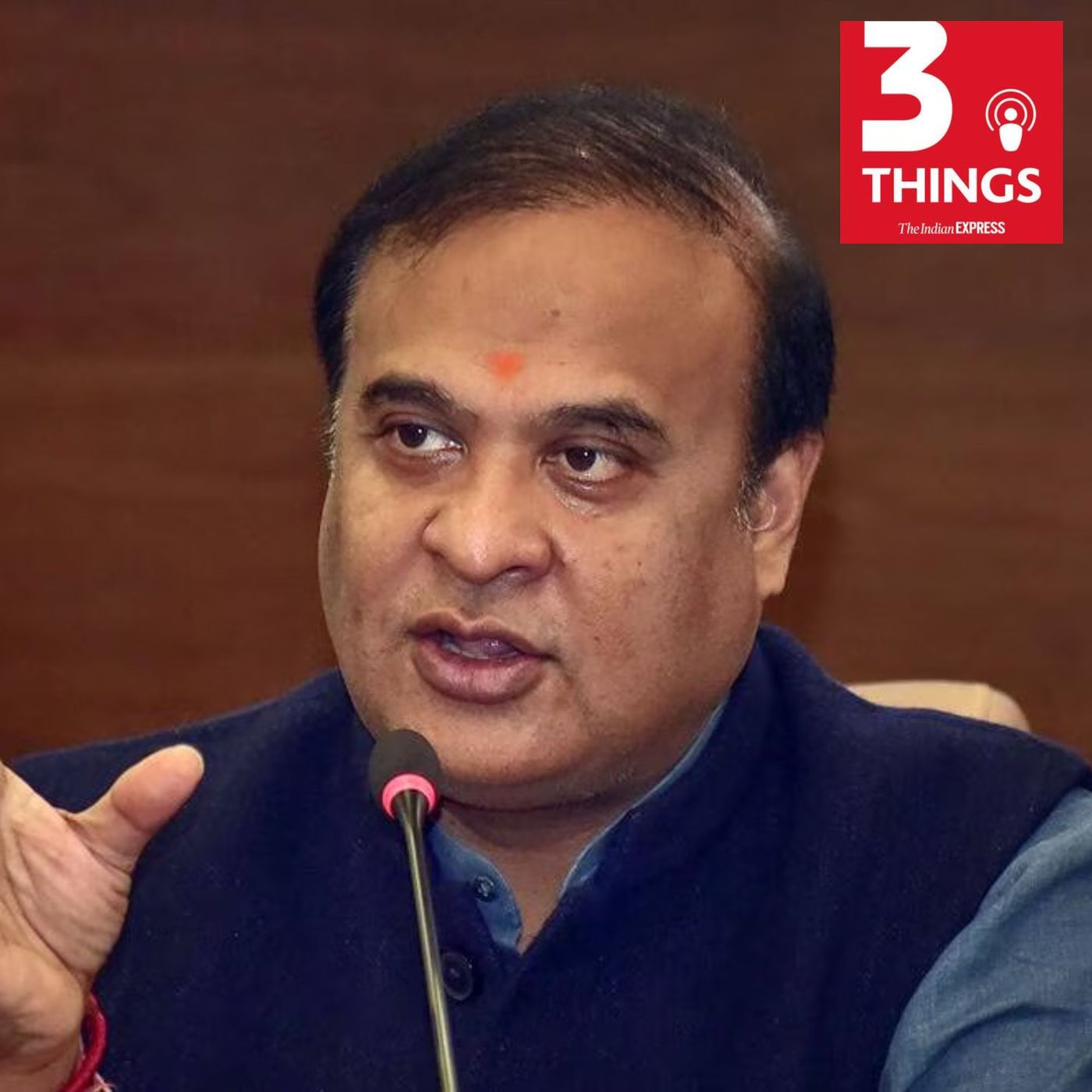
• AI-Generated Video Controversy: An AI-generated video posted by the Assam BJP’s official handle drew widespread criticism. The video depicted the Chief Minister using a rifle in a manner perceived as targeting Muslim individuals, leading to calls for its removal and accusations of promoting hate speech. The BJP has since distanced itself from the video, attributing it to a lapse in oversight.
• BJP’s Rhetoric on Bengali Muslims in Assam: The episode highlights a pattern of increasingly hostile rhetoric from the BJP in Assam targeting the Bengali Muslim community. This includes accusations of being “Miyas,” being illegal immigrants from Bangladesh, and being a threat to Assamese identity. This has fueled anxieties and led to widespread community backlash.
• Odisha Election Results and BJP’s Performance: The BJP has achieved significant victories in the Odisha state assembly elections, marking a notable shift in the state’s political landscape. This success is attributed to a combination of factors, including the party’s strategic campaigning and potentially the polarization fueled by the rhetoric discussed earlier.
• India’s Defense Acquisitions: The Defense Acquisition Council (DAC) has cleared the procurement of 114 Rafale fighter jets from France, with 90 to be manufactured in India. Additionally, six Poseidon 8I maritime surveillance aircraft will be acquired from the US for the Indian Navy. These acquisitions aim to bolster India’s aerial and maritime capabilities.
• Challenges in Farm Produce Procurement: The discussion highlights the struggles faced by farmers in Odisha, particularly concerning the procurement of paddy. The BJP government’s promise of MSP and timely payments has been contrasted with alleged delays, illegal deductions, and a lack of proper channels for farmers to sell their produce, leading to widespread protests.
💡 Key Insights & Memorable Moments
- The use of AI-generated videos in political campaigns poses significant ethical challenges, as demonstrated by the controversy surrounding the Assam BJP’s post, which was quickly deleted but not before igniting outrage.
- The BJP’s strategy in Assam appears to involve polarizing the electorate by targeting the Bengali Muslim community, a tactic that has drawn sharp criticism from opposition parties and civil society groups.
- Despite promises, the implementation of the Subhadra Scheme for women and the MSP for paddy has been criticized for delays and mismanagement, leading to farmer distress and protests in Odisha.
- The significant deal for Rafale jets, with a substantial portion to be manufactured in India, signals a move towards greater indigenous defense production, a key aspect of India’s ‘Make in India’ initiative.
🎯 Way Forward
- Develop Robust AI Content Moderation Policies: Political parties and social media platforms must establish clear guidelines and verification processes for AI-generated content to prevent the spread of misinformation and hate speech. This is crucial to maintain a healthy and informed public discourse.
- Promote Inclusive Political Discourse: Political parties should focus on issue-based campaigns rather than resorting to divisive rhetoric that targets specific communities, thereby fostering social harmony and national unity.
- Strengthen Agricultural Supply Chains and Farmer Support Systems: The government needs to ensure transparent and efficient procurement processes for agricultural produce, guaranteeing fair Minimum Support Prices and timely payments to farmers. This is vital for the economic well-being of a significant portion of India’s population.
- Accelerate Indigenous Defense Manufacturing: India should continue to prioritize and invest in domestic defense production capabilities, leveraging collaborations like the Rafale deal to build a self-reliant and modern military force. This reduces dependency on foreign suppliers and boosts the national economy.
- Enhance Oversight in Defense Procurement: While acquisitions are critical, ensuring strict oversight and adherence to timely delivery schedules for defense equipment is paramount. This guarantees that modernization efforts translate into tangible operational readiness.