
🎯 Core Theme & Purpose
This episode delves into the complexities of international trade policy and its impact on national economies, particularly focusing on recent US trade tariff decisions and their ripple effects. It also explores a unique legal case concerning an early release of a Bangladeshi national and the cross-border legal implications. The content is crucial for policymakers, international business professionals, legal experts, and anyone interested in global trade dynamics and the intersection of law and foreign relations.
📋 Detailed Content Breakdown
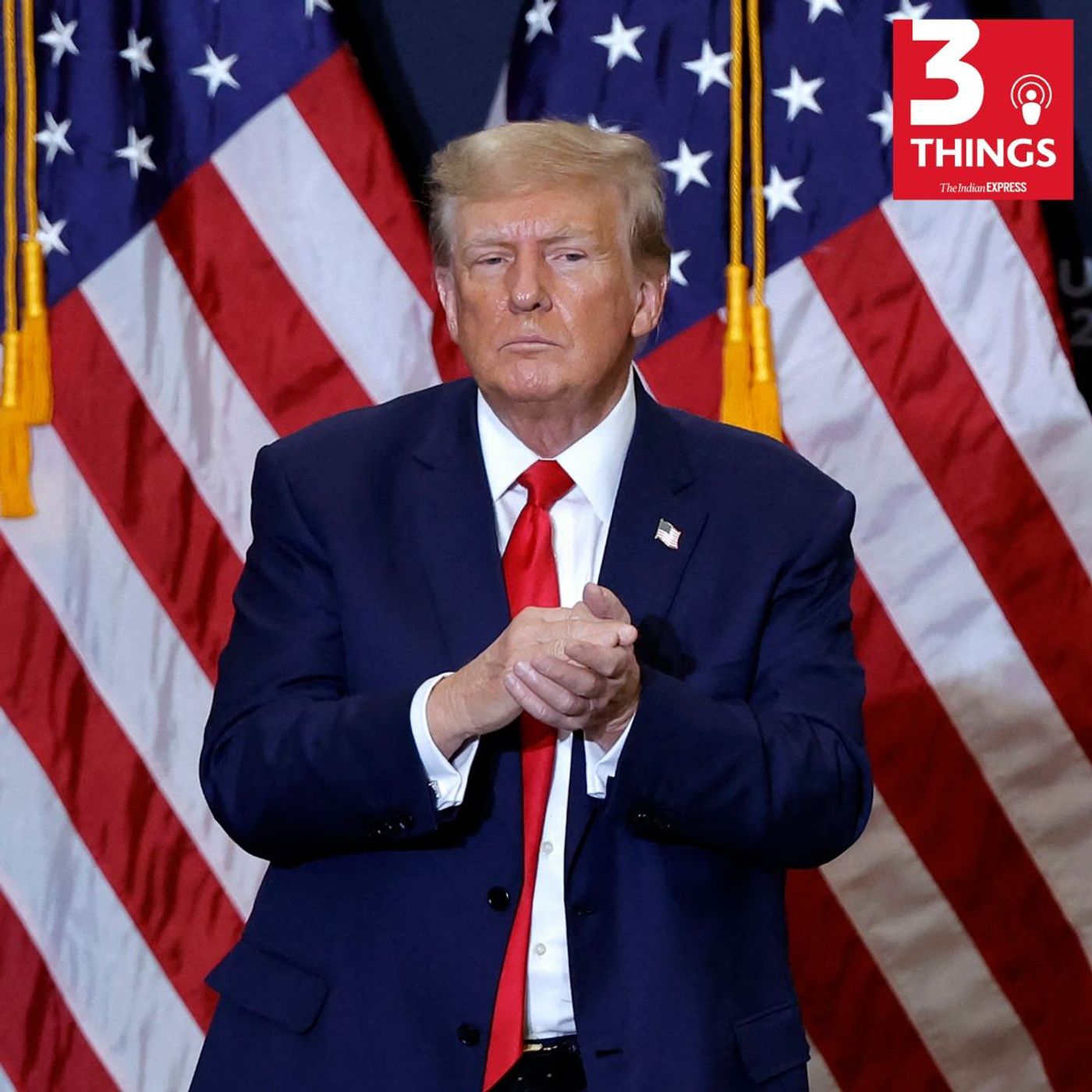
• US Tariff Reversal and Trade Policy Shift: The US Supreme Court struck down President Trump’s sweeping tariffs, ruling he exceeded his authority. However, Trump quickly invoked a rarely used provision (Section 122 of the 1974 Trade Act) to impose a 10% global tariff, later raised to 15% for 150 days. This move creates significant uncertainty for global trade, impacting various countries and industries differently.
• India’s Trade Position in Flux: India benefited from earlier US trade tensions with other nations, but the new global tariffs, even at 15%, create a more level playing field, potentially reducing some competitive advantages. While the US had previously imposed higher tariffs on Indian goods, the current blanket approach simplifies trade dynamics but raises concerns about predictable long-term trade strategies.
• The Case of Asif and Cross-Border Legal Cooperation: Asif, a Bangladeshi national, was convicted in India in 2004 for dacoity and murder, receiving a life sentence. Despite convictions in India, his early release was requested and subsequently facilitated by the Dhaka jail authorities, based on recommendations from Indian legal bodies and a repatriation request from the Bangladesh government. This case highlights the intricate legal cooperation and diplomatic channels required for transferring and releasing individuals across international borders, even for serious crimes.
• Questions of Nationality and Jurisdiction: Asif’s legal journey involved conflicting claims about his nationality, with Indian courts and his lawyers asserting he was Indian, while Bangladeshi authorities claimed he was a Bangladeshi national born there. The Delhi High Court ultimately accepted the repatriation request, demonstrating the role of international agreements and diplomatic assurances in resolving such cross-border legal matters.
• The Role of Section 122 in Trade Law: The US invocation of Section 122 of the 1974 Trade Act is a significant development. Unlike other trade provisions (Sections 232 and 301) that require formal investigations and findings, Section 122 allows for broader, more immediate tariff impositions, posing challenges for predictable trade environments. This provision’s effectiveness and legality are likely to face further legal scrutiny.
• A Manipur Film’s Global Recognition: The Manipuri language film “Just Like That” (also referred to as “Boom” or “I Rise”) won a BAFTA for Best Children’s Film, a significant achievement for regional Indian cinema. Directed by Laxmi Priya Devi, the film, set amidst ethnic conflict in Manipur, tells the story of a boy searching for his father, highlighting themes of peace and resilience. Despite its critical acclaim, it faced limited theatrical release and has been subject to concerns about underrepresentation.
💡 Key Insights & Memorable Moments
• Counterintuitive Trade Policy Dynamics: The US’s shift from targeted tariffs to a broad, albeit temporary, global tariff under Section 122 indicates a move towards a more unpredictable and potentially disruptive trade strategy, impacting nations like India by leveling the playing field.
• “Early Release” as a Diplomatic Tool: The early release of Asif from a jail in Dhaka, facilitated by international cooperation, underscores how humanitarian considerations and diplomatic agreements can influence the outcomes of serious criminal convictions across borders.
• “The most important thing is to be able to have a say in how we want to live”: This quote from Laxmi Priya Devi, director of “Just Like That,” encapsulates the film’s core message about agency and self-determination in the face of conflict and marginalization.
• The Legal Nuance of Section 122: The ease with which Section 122 can be invoked, compared to more investigation-heavy trade measures, suggests a significant shift in the US administration’s approach to trade disputes, prioritizing swift action over extensive deliberation.
• “We pray for peace to return to Manipur”: This powerful plea from Laxmi Priya Devi during her BAFTA acceptance speech highlights the ongoing human cost of conflict and the role of art in advocating for peace and reconciliation.
🎯 Way Forward
- Monitor US Trade Policy Stability: Closely track the duration and impact of the Section 122 tariffs and any subsequent legal challenges or negotiations, as this will significantly influence global trade stability.
- Strengthen Bilateral Legal Frameworks: Countries should proactively review and update bilateral treaties for prisoner transfer and mutual legal assistance to streamline processes and prevent exploitation, as seen in Asif’s case.
- Promote Regional Cinema on Global Platforms: Support and amplify films like “Just Like That” to raise awareness about underrepresented regions and issues, fostering greater understanding and demand for diverse cinematic voices.
- Advocate for Predictable Trade Regulations: Businesses and governments should collectively advocate for transparent and predictable international trade policies to allow for better long-term planning and investment.
- Understand the Impact of “Early Release” Mechanisms: Recognize how early release provisions, when used in conjunction with international agreements, can serve both humanitarian and diplomatic purposes, but require robust oversight to maintain justice.