
🎯 Core Theme & Purpose
This episode of “Three Things” by The Indian Express delves into critical national and international security issues. It examines India’s expanding nuclear submarine fleet, the ongoing tensions surrounding voter list revisions in West Bengal, and the significant security concerns and aftermath of a violent incident in Manipur. The discussion is highly relevant for policymakers, defense analysts, and citizens seeking a deeper understanding of India’s strategic capabilities and internal security challenges.
📋 Detailed Content Breakdown
-
India’s Expanding Nuclear Submarine Fleet: The induction of INS Aridhaman, a new nuclear-powered ballistic missile submarine, marks a significant step for India’s sea-based nuclear deterrence. This acquisition strengthens India’s second-strike capability, allowing for a retaliatory nuclear strike even after absorbing a first strike. INS Aridhaman, along with INS Arihant and INS Vikrant, forms India’s nascent nuclear triad, enhancing its strategic depth.
-
West Bengal Voter List Revisions and Tensions: The episode highlights the controversy surrounding the Special Intensive Revision of voter lists in West Bengal, impacting over 60 lakh people. Cases are being adjudicated under Supreme Court supervision, with over 27 lakh names reportedly being deleted. This process has led to widespread anxiety and protests regarding voting rights, with concerns about potential disenfranchisement.
-
Security Concerns and Aftermath in Manipur: A tragic incident in Manipur’s Bishnupur district, where a rocket-propelled grenade targeted a home and killed two minors, is discussed. This event has led to significant protests and a heightened security presence. The investigation is being handled by the NIA, with initial findings suggesting a deliberate act by elements aiming to destabilize the region.
-
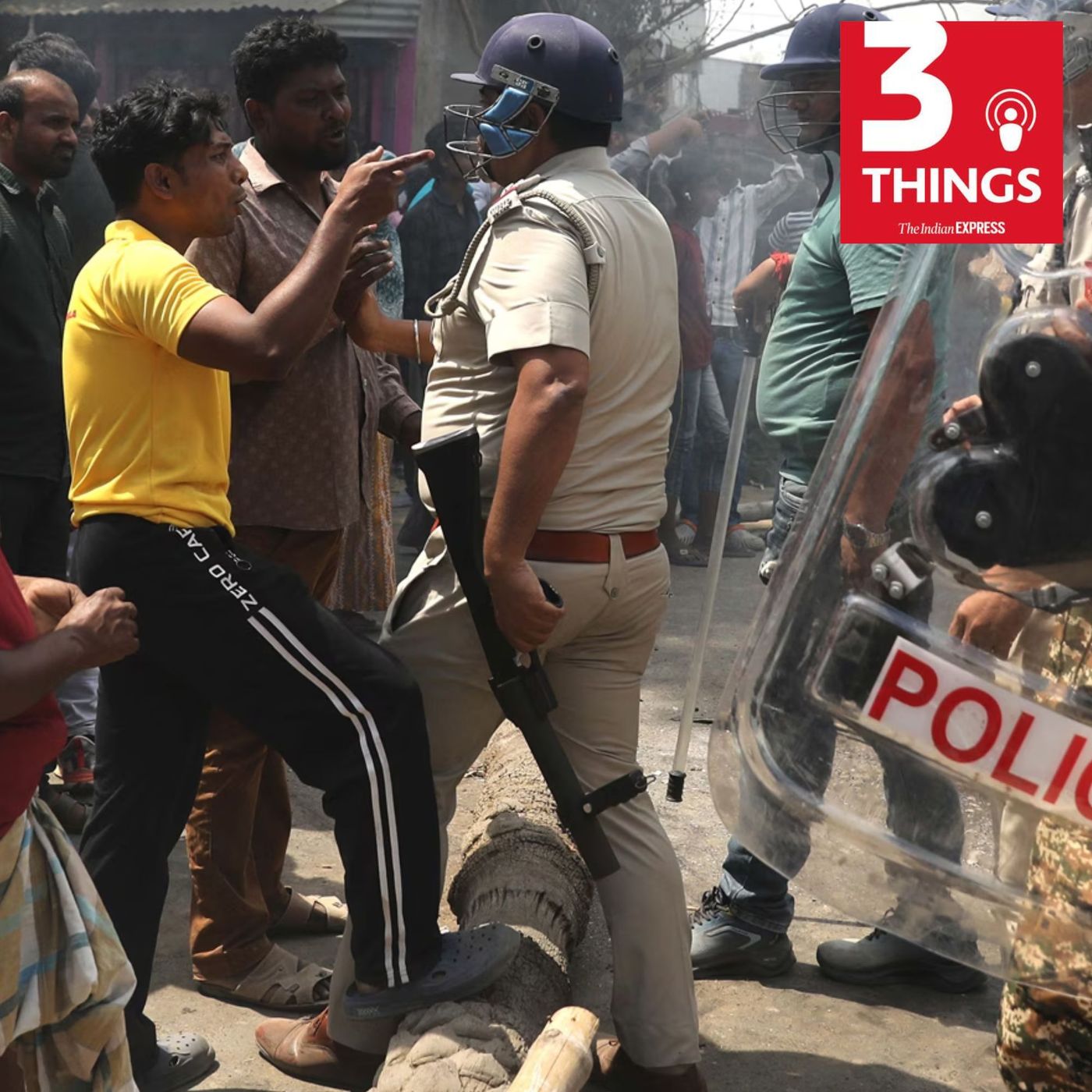
Security Challenges in West Bengal’s Malda District: The discussion details the large-scale protests in Malda and other districts of West Bengal concerning voter list deletions. Road blockades and significant public gatherings highlight the deep-seated anxieties among the affected population. The situation is exacerbated by the logistical challenges of addressing appeals and the ongoing lack of established tribunals.
-
Security Lapses and Official Concerns in West Bengal: Judicial officers in West Bengal flagged security concerns and potential risks to judicial officers due to the voter list revision controversy. A letter to the district judge highlighted the increasing security risks for judicial officers, the long and arduous commutes, and the need for relocation closer to their workplaces to ensure safety and efficiency.
-
Investigation into Manipur Violence: The National Investigation Agency (NIA) is leading the probe into the Manipur grenade attack. The investigation involves reviewing CCTV footage and interviewing witnesses to identify the perpetrators, believed to be elements seeking to disrupt peace. Several arrests have been made, including a lawyer from the Kuki community, highlighting the complex ethnic and political dimensions of the conflict.
💡 Key Insights & Memorable Moments
- Strategic Capability Enhancement: The addition of INS Aridhaman significantly bolsters India’s nuclear triad, providing a credible sea-based deterrent that is difficult to detect and target. This is crucial for maintaining strategic stability in a volatile geopolitical environment.
- Voter Rights Concerns in West Bengal: The large-scale deletion of names from voter lists, impacting millions, raises serious questions about electoral fairness and the potential for political manipulation. The prolonged adjudication process and the lack of functional tribunals contribute to public distrust.
- The Human Cost of Conflict: The tragic deaths of two young children in Manipur underscore the devastating human impact of ethnic and political conflicts, highlighting the urgent need for de-escalation and effective governance.
- Security of Judicial Officers: The concerns raised by judicial officers in West Bengal about their safety during the voter list revision process are a stark reminder of the challenges faced by those involved in sensitive administrative and legal duties in volatile regions.
- Investigative Challenges: The NIA’s investigation into the Manipur attack faces the challenge of navigating a complex political and ethnic landscape, with accusations of state actors potentially being involved and the need to identify individuals or groups with destabilizing intentions.
🎯 Way Forward
- Strengthen Judicial Security Protocols: Implement robust security measures for judicial and administrative officers involved in sensitive revision processes, especially in areas with high potential for unrest. This is crucial for ensuring fair adjudication and maintaining public trust in the electoral system.
- Expedite Voter List Grievance Redressal: Establish efficient and transparent mechanisms for addressing appeals related to voter list exclusions in West Bengal, ensuring timely resolution to prevent disenfranchisement and political disenfranchisement.
- Enhance Intelligence and Security Coordination in Manipur: Improve inter-agency coordination between state police, central forces, and intelligence agencies to proactively address threats of violence and terrorism, focusing on community engagement and rehabilitation efforts.
- Continue Naval Modernization and Diversification: Accelerate the development and induction of advanced submarine platforms, including potentially additional SSBNs and SSNs, to maintain India’s strategic advantage and deter potential adversaries. This ensures a comprehensive and resilient maritime security posture.
- Promote Dialogue and Reconciliation in Conflict Zones: Foster inclusive dialogue processes between conflicting communities in Manipur and other affected regions, addressing root causes of conflict and promoting long-term peace and stability through collaborative governance and development initiatives.