
🎯 Core Theme & Purpose
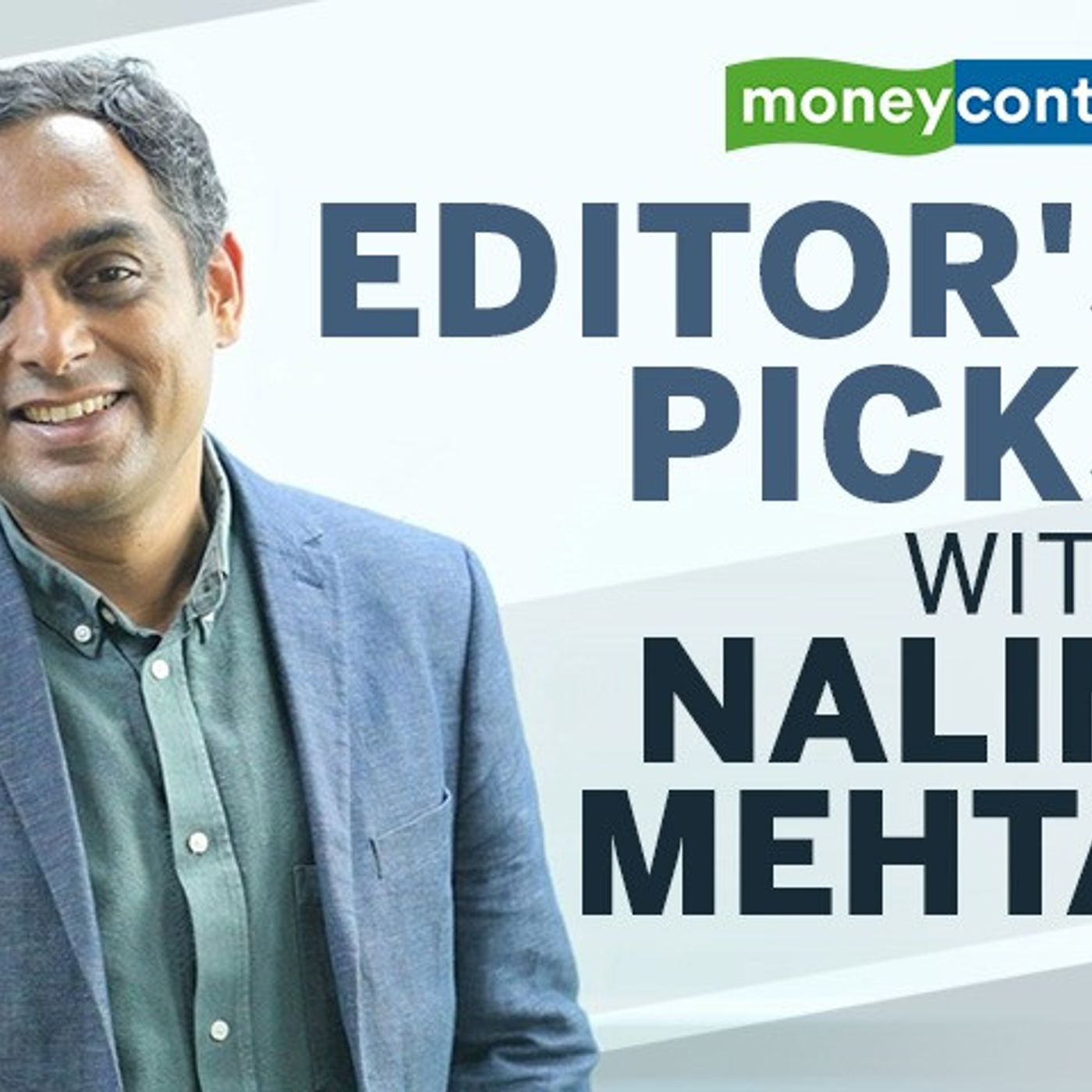
This episode of “Editor’s Picks” by Nalin Mehta of Money Control delves into critical economic and policy decisions impacting India. It offers a granular analysis of government actions on gold imports, the rupee’s stability, and evolving regulatory landscapes in sectors like jewelry and electric vehicles. The content is beneficial for investors, policymakers, and anyone seeking to understand the intricate economic forces shaping India’s financial future.
📋 Detailed Content Breakdown
• Gold Import Duties and Rupee Defense: The government doubled import duties on gold and silver to 15%, a move aimed at defending the rupee and conserving foreign exchange reserves amid the West Asia crisis. This policy shift has reignited debates on the efficacy of tariffs in controlling gold imports, especially considering a significant rise in gold imports even with previous duties.
• Gold Smuggling and Market Impact: A report suggests that past trends and the latest duty hikes could potentially revive gold smuggling activities. This is despite the fact that gold imports continued to grow significantly in FY24. The analysis also touches upon how ETFs and financiers saw gains as bullion prices rose, indicating a complex interplay of market dynamics.
• Challenges for Jewelry Sector: Rising import duties are expected to dampen fresh sales in the jewelry industry. Companies are reportedly encouraging consumers to trade old gold for new jewelry, signaling a shift in consumer behavior and business strategies to navigate the new tariff environment.
• Vodafone Idea’s Capital Infusion: Vodafone Idea is set to receive a significant boost with its non-executive chairman, Kumar Mangalam Birla, spearheading a new round of capital infusion. The telecom company is in talks with a consortium of banks to raise ₹25,000 crore, a move that has positively impacted its stock performance.
• EV Transition and Import Bill: The push towards electric vehicles (EVs) presents a dual challenge. While a rapid shift to EVs is encouraged, it could initially increase India’s import bill due to reliance on imported batteries and components, before the country achieves greater self-sufficiency in domestic production and reduces crude oil dependency.
• Capital Gains Tax Treatment for AIFs: The Income Tax Appellate Tribunal has ruled that capital gains earned by certain registered alternative investment funds (AIFs) cannot be treated as business income. This decision impacts the tax treatment of investments made by these specific AIFs.
• Niche Market Diversification: Nazara Technologies is divesting its esports and ad-tech businesses to focus on its high-margin gaming segment. Simultaneously, a gaming company has successfully raised ₹360 crore in an internal funding round to support its expansion plans, including acquisitions and investments in areas like ed-tech and AI.
• Indian Space Ambitions: Skyroot Aerospace is poised for its first orbital launch, with a significant portion of its future business expected to come from international markets, including the US, Europe, and Southeast Asia. The company’s recent funding success highlights its rapid growth and ambition in the burgeoning space sector.
💡 Key Insights & Memorable Moments
• A counterintuitive point raised is that while the government aims to defend the rupee through gold duty hikes, it could inadvertently spur illegal activities like gold smuggling. • The analysis highlights a nuanced view on the EV transition, suggesting that while it’s a long-term goal, short-term import costs for components like batteries could rise significantly. • “The stock market cheered the move” in reference to Vodafone Idea’s capital infusion, illustrating the immediate market reaction to positive financial news for a struggling entity. • The mention of specific financial instruments like AIFs and the tax tribunal’s ruling underscores the intricate regulatory environment that investors and businesses must navigate. • The data point that Skyroot Aerospace aims to derive “as much as 80% of its future business from overseas markets” demonstrates the global aspirations of India’s private space industry.
🎯 Way Forward
- Strategic Hedging Against Gold Volatility: Investors and policymakers should explore diversified strategies to manage the impact of gold import duties and potential currency fluctuations, beyond simple import tariffs. This matters for economic stability.
- Accelerating Domestic EV Component Manufacturing: The government and industry must prioritize and fast-track local production of EV batteries and components to mitigate the initial surge in import bills and enhance long-term energy security. This is crucial for making EVs truly sustainable for India.
- Clarifying AIF Tax Regimes: Continued clarity and consistent rulings on the tax treatment of alternative investment funds are vital to attract and retain domestic and foreign capital for India’s growth sectors. This fosters a predictable investment climate.
- Leveraging Global Markets for Space Technology: Indian space startups should continue to aggressively pursue international collaborations and market opportunities to fuel innovation and bring in foreign exchange, as exemplified by Skyroot’s strategy. This positions India as a global player in space.
- Developing Comprehensive Financial Sector Regulations: As new investment vehicles and market dynamics emerge, regulatory frameworks must evolve to ensure fair competition, investor protection, and overall financial market integrity, addressing both established and emerging risks. This is key to sustained economic growth.