
🎯 Core Theme & Purpose
This episode delves into the geopolitical and economic ramifications of the Ukraine war on global energy markets and explores its impact on various regions. It examines the responses of different nations to these challenges, from domestic policy shifts to international diplomatic efforts. The discussion is particularly relevant for policymakers, economists, and individuals seeking a comprehensive understanding of the current global energy crisis and its far-reaching consequences.
📋 Detailed Content Breakdown
• South East Asia’s Exposure to Oil Shocks: The discussion highlights the vulnerability of South East Asian countries to the oil shock triggered by the Ukraine war. Petrol stations are closing in some nations, and governments are scrambling for alternatives to Middle Eastern oil, underscoring the region’s dependence and the immediate impact of the conflict.
• Tôto Wolff’s Billion-Dollar Journey: The narrative shifts to the world of Formula 1, focusing on Tôto Wolff, the team boss of Mercedes. His journey from a risky race to becoming a billionaire is explored, providing insight into the high-stakes world of motorsport and the entrepreneurial spirit behind it.
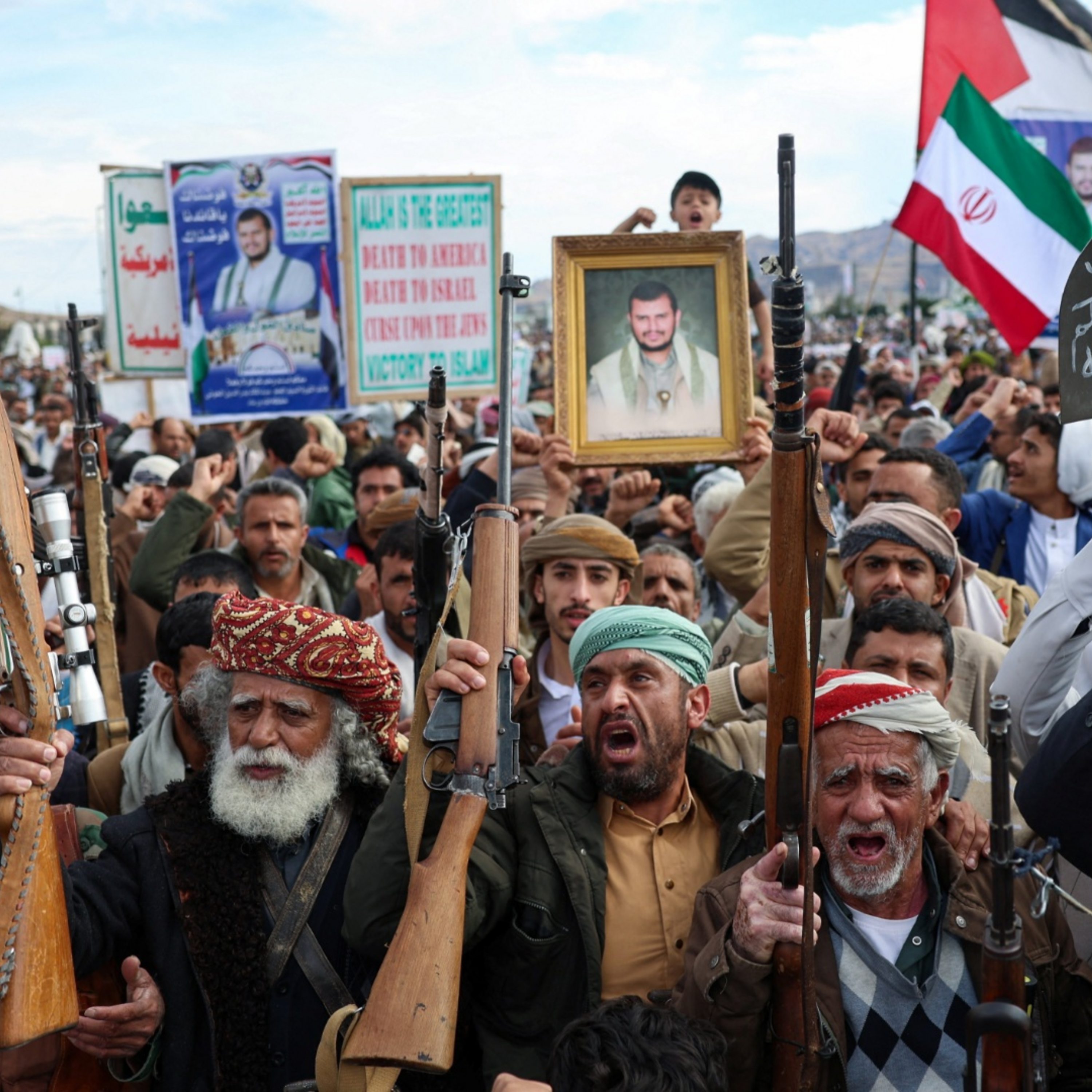
• Yemen’s Houthi Rebels Targeting Israel: The episode details the Houthi rebels’ continued threats and actions against Israel, marking their first attack since the start of the Israel-Hamas war. This escalation signifies a widening of regional tensions and poses a significant threat to global stability and the global economy.
• Ukraine’s Accusations Against Russia and Iran: Ukraine’s president, Volodymyr Zelensky, accuses Russia of aiding Iran in launching an attack on a shared military base in the Indian Ocean. This allegation points to a complex web of international alliances and actions, with implications for global military security and intelligence operations.
• Yemen’s Houthi Rebels and Global Trade Routes: The Houthi rebels’ actions in the Red Sea are analyzed, particularly their potential to disrupt shipping through the Bab el-Mandeb strait. This poses a significant economic threat, as it could impact Saudi Arabia’s oil exports and the broader global oil supply, potentially exacerbating existing economic challenges.
• Pakistan’s Diplomatic Efforts for De-escalation: Pakistan is leading initiatives to mediate peace talks between Iran and the US, inviting foreign ministers from Turkey, Saudi Arabia, Egypt, and Iran to Islamabad. This highlights Pakistan’s role as a potential mediator in the escalating Middle East tensions, aiming to de-escalate the conflict and prevent further economic repercussions.
💡 Key Insights & Memorable Moments
• Counterintuitive Impact of War: The conflict in Ukraine is shown to have a ripple effect, not only causing an oil shock but also leading to an investigation into beauty brands marketing anti-aging products to children, revealing unexpected societal consequences of global events.
• The Strategic Importance of Shipping Lanes: The potential disruption of the Bab el-Mandeb strait by the Houthis is highlighted as a critical point, with significant economic implications for Saudi Arabia’s oil exports and the global supply chain.
• Russia’s Strategic Gamble: The analysis suggests that Russia might be benefiting from the prolonged conflict, as the longer it continues, the stronger its strategic position becomes, influencing international negotiations and global economic dynamics.
• The Global Reach of Anti-Monarchical Sentiments: The “No Kings” movement, originating in the US and spreading to other countries, signifies a growing global sentiment against concentrated power and autocratic rule, resonating even in unexpected regions.
• The Double-Edged Sword of Social Media Marketing: The lawsuit against Meta and YouTube concerning a child’s addiction to social media raises critical questions about the ethical boundaries of digital marketing and the long-term effects of platform design on young users.
🎯 Way Forward
- Diversify Energy Sources and Supply Chains: Nations, particularly in South East Asia, must accelerate efforts to diversify their energy sources and strengthen supply chains to reduce reliance on single suppliers and mitigate the impact of geopolitical shocks. This is crucial for long-term economic stability.
- Strengthen International Diplomatic Channels: Continued and robust diplomatic engagement is vital to de-escalate regional conflicts, such as the one involving Yemen’s Houthi rebels, and to prevent further disruptions to global trade and energy security.
- Implement Stricter Regulations on Marketing Practices: The investigation into beauty brands marketing anti-aging products to children necessitates stronger regulatory frameworks globally to protect vulnerable populations from potentially harmful marketing practices and to ensure ethical advertising.
- Promote Critical Media Literacy: Educating the public, especially young people, on critical media literacy is essential to navigate the complex information landscape, identify misinformation, and understand the psychological impact of social media, fostering a healthier digital environment.
- Foster Entrepreneurship in Alternative Energy: Encouraging innovation and investment in alternative energy solutions, beyond fossil fuels, is paramount for building a resilient global energy infrastructure and reducing the susceptibility to oil market volatility.