
🎯 Core Theme & Purpose
This podcast episode explores the evolving landscape of global power, focusing on the concept of the “American Dream,” geopolitical tensions between the US and Iran, and the ethical implications of artificial intelligence. It delves into how these disparate issues reflect shifting global dynamics and challenges to established norms. Listeners interested in international relations, economics, technology, and the future of societal aspirations will find this discussion insightful.
📋 Detailed Content Breakdown
• The Fading American Dream: The episode questions the continued accessibility of the “American Dream,” characterized as a promise of a better, freer, and richer life. It suggests that while the dream might still exist, its realization is increasingly challenging, reflecting broader economic and social shifts.
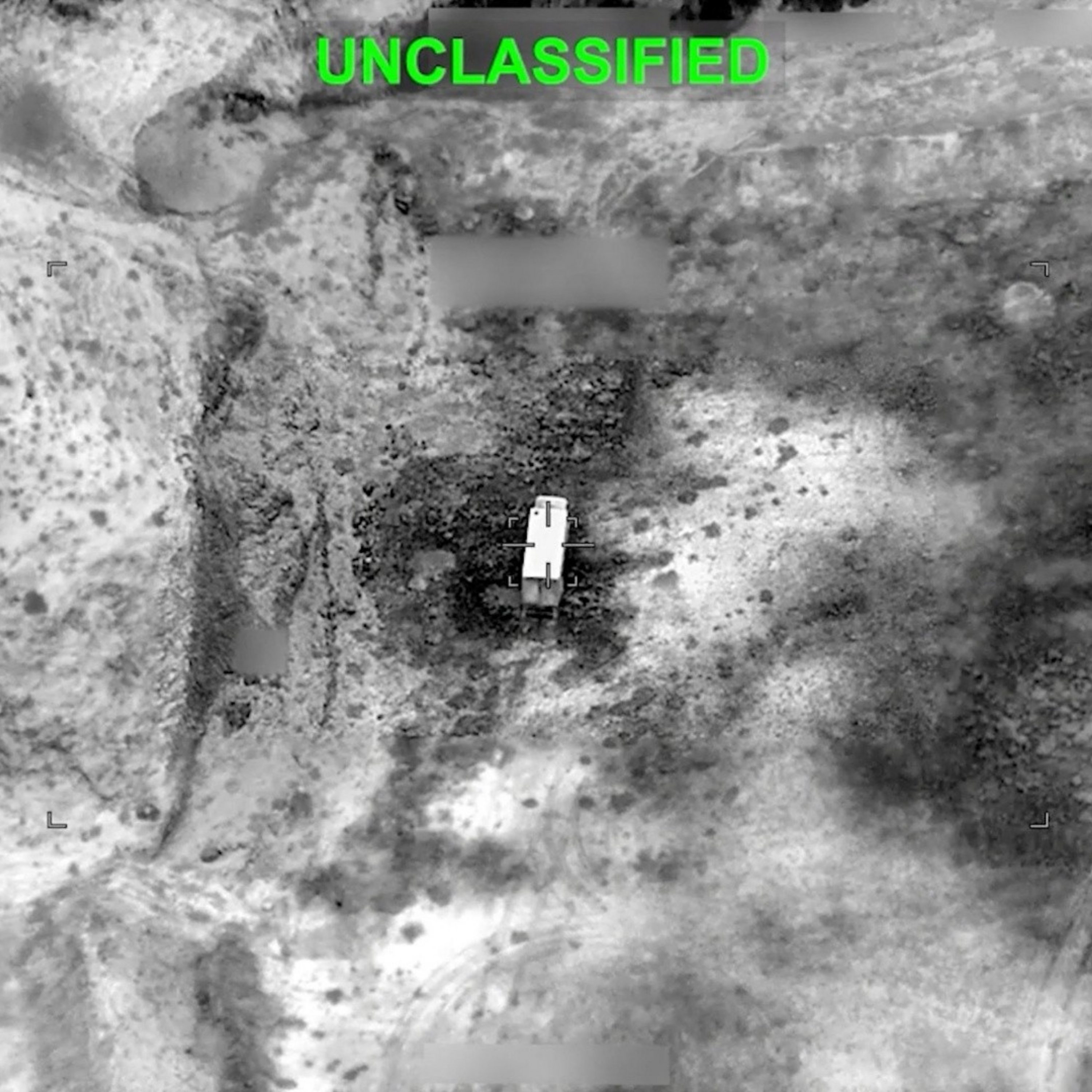
• US-Iran Tensions and the Strait of Hormuz: The podcast highlights the escalating conflict between the US and Iran over control of the Strait of Hormuz. It details recent military actions, including US airstrikes and Iranian threats to disrupt international shipping, underscoring the precarious geopolitical situation.
• Australia’s AI Regulation and Data Centers: Australia is revealed to be developing wide-ranging plans to regulate Artificial Intelligence, with a particular focus on the impact of data centers. These plans include restrictions on data centers, reflecting global concerns about AI’s growing influence and resource consumption.
• Bolivia’s Investigation into Recruitment for Russia: The episode sheds light on an investigation in Bolivia concerning the alleged recruitment of Bolivian men to fight for Russia. This raises concerns about deceptive recruitment practices and the global flow of individuals into military conflicts.
• The Ethical Minefield of AI and Copyright: The discussion touches upon the challenges of AI’s impact on copyright, with AI companies using existing works to train models without compensating creators. This raises significant legal and ethical questions about intellectual property in the age of AI.
• Gibraltar’s Post-Brexit Border Dynamics: The podcast details how Gibraltar’s border checks have ended after a century, following a UK-EU treaty. This significant change aims to facilitate the movement of people and goods, easing economic activity and solidifying Gibraltar’s alignment with the EU while maintaining British sovereignty.
💡 Key Insights & Memorable Moments
- The American Dream, once a potent symbol of opportunity, is now facing scrutiny regarding its attainability in the current global climate.
- The US-Iran conflict is not just about regional influence but carries the risk of wider geopolitical disruption, particularly concerning vital shipping lanes.
- Australia’s proactive approach to AI regulation, specifically addressing data center impacts, signals a growing global trend towards governing AI’s infrastructure.
- The alleged deceptive recruitment of individuals for foreign conflicts highlights a darker side of globalization and the exploitation of economic desperation.
- “The effectiveness of these AI models is dependent on the data they are trained on, and that data is currently drawn from the creative output of human beings. This isn’t necessarily about the destruction of copyright but about finding a way to ensure those creators are appropriately compensated.” (Paraphrased insight on AI and copyright).
🎯 Way Forward
- Develop Robust International Frameworks for AI Ethics: Create globally standardized ethical guidelines for AI development and deployment, addressing issues like data bias, copyright, and job displacement, to foster responsible innovation.
- Promote Transparency in Geopolitical Disputes: Encourage open communication and de-escalation strategies between nations involved in regional conflicts to prevent unintended escalation and safeguard global stability.
- Implement Fair Compensation Models for AI Training Data: Establish mechanisms that ensure artists, writers, and other creators are compensated when their work is used to train AI models, respecting intellectual property rights.
- Strengthen Oversight of International Recruitment: Enhance regulations and enforcement to prevent deceptive recruitment practices for foreign military or mercenary roles, protecting vulnerable individuals from exploitation.
- Foster Adaptive Border Policies: Continue to refine bilateral and multilateral agreements, like the Gibraltar-EU treaty, to balance economic fluidity with security concerns in a post-Brexit world.