
🎯 Core Theme & Purpose
This episode delves into the multifaceted ways the United States has shaped the modern world, particularly as it approaches its 250th anniversary. It examines historical impact, contemporary challenges, and future expectations, offering a critical analysis of American influence on global affairs. Listeners interested in international relations, political science, and the dynamics of global power will find this a valuable resource.
📋 Detailed Content Breakdown
• US Global Influence: The episode explores the United States’ significant impact on the modern world, stemming from its historical trajectory and its current position as a superpower. It highlights the surprising and often hidden ways the US has influenced global events and societal structures.
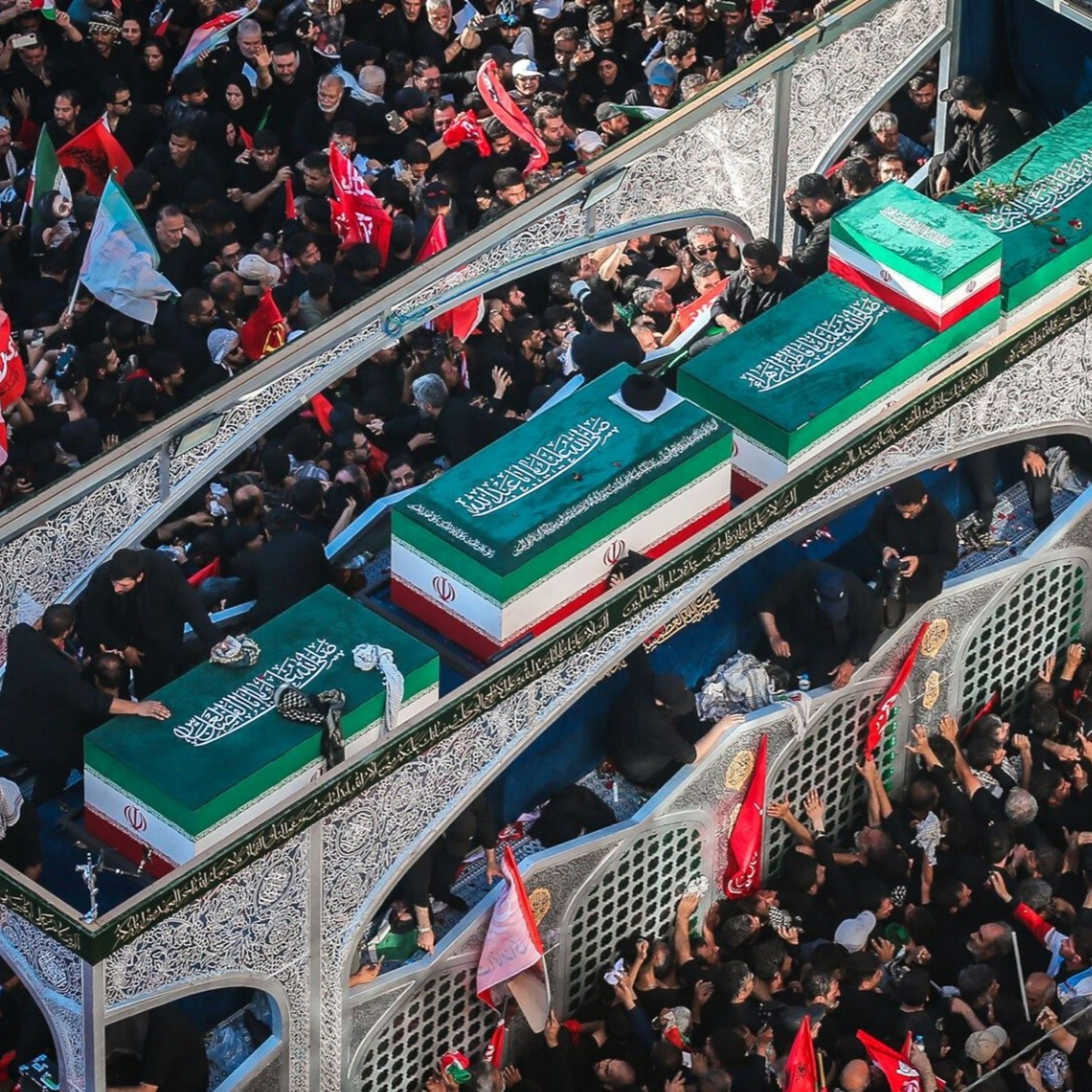
• Geopolitical Tensions and Ceasefires: A significant portion discusses the complex relationship between Iran and the US, focusing on ceasefires and potential escalations. The death of Iran’s supreme leader is mentioned, alongside ongoing tensions and attacks between the two nations, underscoring the precarious state of their relationship.
• Economic and Social Challenges in Gaza: The podcast details the dire humanitarian situation in Gaza, highlighting the devastating impact of conflict on infrastructure and food security. It points out the inadequacy of aid and the resulting challenges for the population, emphasizing the need for localized food production.
• The Role of a Seed Bank in Gaza: A specific initiative, a seed bank in Gaza, is highlighted as a crucial effort to empower local communities and ensure food self-sufficiency amidst ongoing conflict and destruction. This project aims to provide farmers with resilient seeds to overcome the severe challenges they face.
• Venezuela’s Recovery Post-Earthquake: The episode touches upon the aftermath of major earthquakes in Venezuela, focusing on the ongoing humanitarian crisis and the efforts of relief organizations. It details the displacement of people, the strain on healthcare systems, and the critical need for clean water and sanitation in temporary shelters.
• The World Cup and National Pride: The discussion includes the FIFA World Cup, celebrating France’s progression to the semi-finals and the accompanying national jubilation. It also reflects on Morocco’s commendable performance and the mixed emotions of pride and disappointment felt by their supporters.
💡 Key Insights & Memorable Moments
- Redefining “Ceasefire”: The concept of a ceasefire is critically examined, with the observation that it can sometimes mean “lesser fire” rather than complete cessation of hostilities, as seen in recent conflicts.
- The Economic Strain on Nations: The episode highlights the severe economic and financial consequences faced by nations involved in protracted conflicts, including staggering inflation rates and job losses, demonstrating the broader impact beyond military action.
- The Impact of Leadership Change: The shift in Iranian leadership appears to have emboldened a new generation of leaders who are less cautious in their approach to international confrontation, a significant change from previous leaders’ focus on de-escalation.
- The Resilience of Agriculture: Despite immense destruction, the focus on local agriculture and initiatives like seed banks in conflict zones like Gaza underscore a powerful drive towards self-sufficiency and resilience in the face of adversity.
🎯 Way Forward
- Enhance International Aid Coordination: The dire situation in Gaza underscores the need for more effective and coordinated international aid efforts that go beyond immediate relief to foster long-term food security and infrastructure rebuilding.
- Support Localized Food Systems: The success of initiatives like Gaza’s seed bank highlights the importance of supporting and expanding localized agricultural solutions in vulnerable regions to build resilience against conflict and climate change.
- Promote Diplomatic De-escalation: The ongoing geopolitical tensions, particularly between the US and Iran, necessitate renewed efforts towards diplomatic engagement and de-escalation to prevent further conflict and protect civilian populations.
- Invest in Post-Conflict Reconstruction: The long-term recovery of areas affected by natural disasters, as seen in Venezuela, requires sustained investment in rebuilding infrastructure and ensuring access to basic services like clean water and healthcare.
- Foster Global Cooperation on Cybersecurity: The mention of cyberattacks on critical infrastructure points to the growing need for international cooperation and robust defense mechanisms against sophisticated cyber threats targeting businesses, governments, and essential services.