
🎯 Core Theme & Purpose
This episode delves into the intricate world of international diplomacy and geopolitical tensions, primarily focusing on the nuclear negotiations between the US and Iran. It also touches upon domestic US political hearings involving the Clintons regarding the Jeffrey Epstein case and explores emerging trends in sustainable construction, particularly the use of timber. The discussion offers insights for policymakers, international relations students, and those interested in global security and innovative building practices.
📋 Detailed Content Breakdown
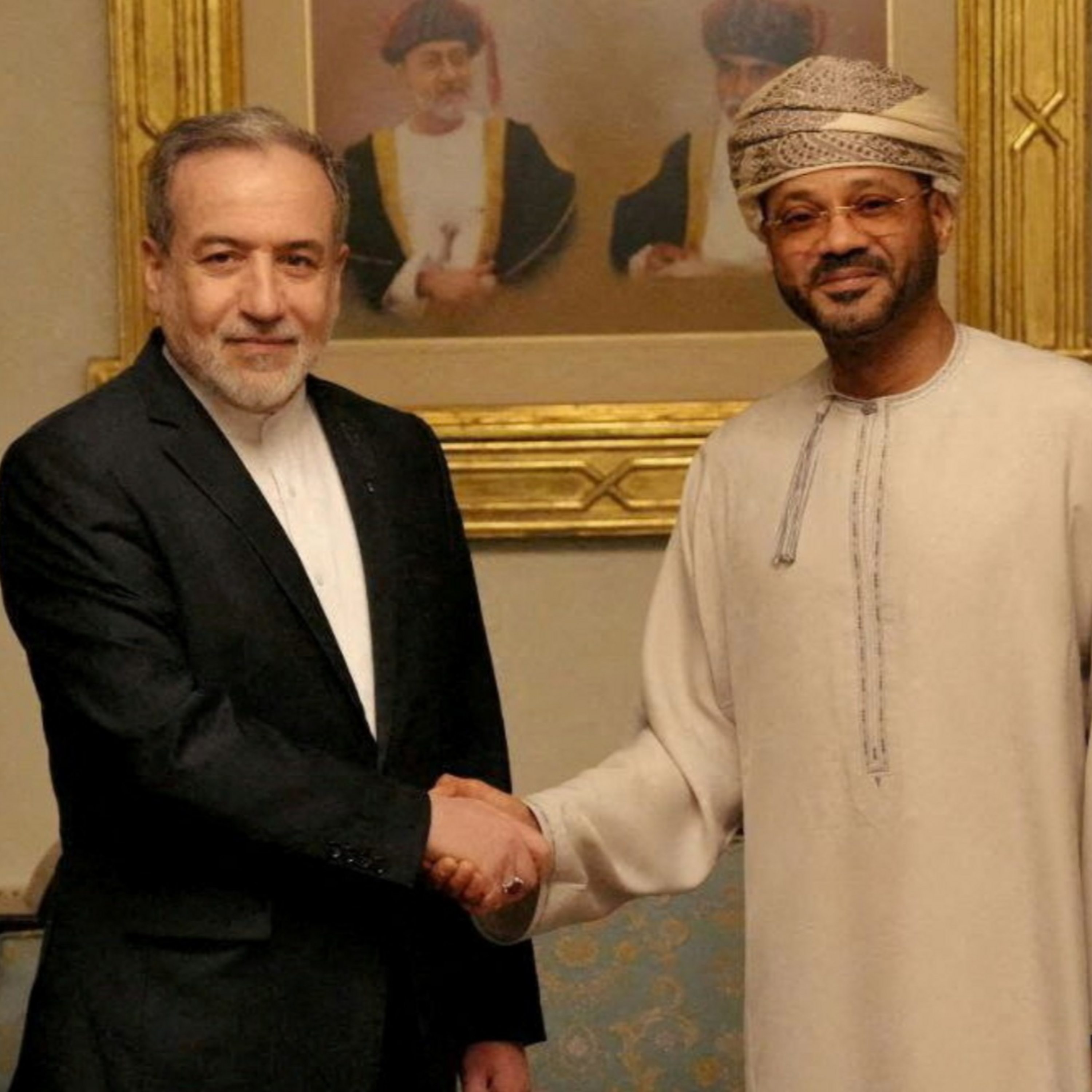
• US-Iran Nuclear Negotiations: The core of the discussion revolves around ongoing talks in Geneva between the US and Iran concerning Iran’s nuclear program. These negotiations are viewed as a crucial opportunity to prevent military conflict, with both sides engaging in complex discussions about sanctions relief and Iran’s nuclear capabilities. The article notes the presence of Oman as a mediator, highlighting the sensitive nature of the talks and the stakes involved.
• Jeffrey Epstein Investigation and Clinton Testimony: The episode covers the impending testimony of Bill and Hillary Clinton before a US congressional committee investigating the Jeffrey Epstein sex trafficking scandal. It highlights the scrutiny faced by the Clintons due to their past association with Epstein, including the release of documents and photographs, and mentions their initial resistance to testifying, followed by an agreement under threat of a contempt of Congress charge.
• North Korea’s Nuclear Ambitions: The podcast addresses statements from North Korean leader Kim Jong Un, who suggests the possibility of improved relations with the US if Washington recognizes Pyongyang as a nuclear power. The report details North Korea’s ambitious plans for expanding its nuclear arsenal, including the development of a nuclear submarine capable of launching missiles anywhere on Earth, and the potential for a summit meeting with President Trump.
• Sustainable Construction Trends: The discussion highlights the significant carbon emissions of the European construction industry, particularly in cement production, and proposes timber as a viable sustainable alternative. The piece features Alex de Ruyter, a pioneer in engineered wood construction, who is building his retirement home in Portugal using this method. It emphasizes the fire-resistant qualities of timber compared to steel and the growing demand for modular wooden houses, driven by factors like labor shortages and environmental consciousness.
• Sweden’s Timber Construction Leadership: The segment introduces Sandra Frank of Arvet, a Swedish firm specializing in engineered wood construction, and their pioneering work in building an eight-story apartment block entirely from timber. This highlights Sweden’s long-standing expertise in sustainable forestry and timber construction, with a commitment to replanting four trees for every one felled, contributing to forest growth and carbon sequestration.
• The Science of Super-Aging: The episode explores research into individuals with exceptional cognitive abilities in old age, termed “super-agers.” The study found that these individuals have a significantly higher rate of neurogenesis (new neuron formation) in the hippocampus, the brain region crucial for learning and memory. This suggests that factors like exercise, which boost brain-derived neurotrophic factor (BDNF), may play a role in maintaining cognitive vitality and potentially preventing age-related cognitive decline.
💡 Key Insights & Memorable Moments
• Counterintuitive Fire Resistance of Wood: Contrary to common perception, engineered timber, when properly constructed, can be more fire-resistant than steel. As explained by Alex de Ruyter, timber chars on the outside, protecting the core and maintaining structural integrity for longer periods than steel, which can buckle under extreme heat.
• North Korea’s Dual Strategy: Kim Jong Un’s pronouncements reveal a strategic duality: expressing a willingness to engage in diplomacy if recognized as a nuclear power, while simultaneously outlining aggressive expansion of his nuclear and missile capabilities. This presents a complex challenge for international negotiators.
• Cognitive Reserve in Super-Agers: The research on super-agers suggests that lifelong engagement in activities like exercise can build “cognitive reserve,” enhancing the brain’s resilience against age-related changes and neurodegenerative diseases like Alzheimer’s. This points to proactive lifestyle choices as a key factor in cognitive longevity.
• “Creative and Positive Ideas” in Diplomacy: Oman’s Foreign Minister, Badr Albusaidi, described the exchange of “creative and positive ideas” during the US-Iran nuclear talks. This framing, while diplomatic, hints at a potentially more open and constructive dialogue than previously seen, despite the inherent difficulties.
🎯 Way Forward
- Prioritize Diplomatic Solutions in Nuclear Negotiations: Continue to leverage multilateral forums and trusted intermediaries like Oman to facilitate dialogue between the US and Iran, focusing on verifiable steps towards de-escalation and non-proliferation. This matters for global security and regional stability.
- Incorporate Sustainable Building Materials in Urban Planning: Encourage and incentivize the use of engineered timber and other sustainable construction methods in urban development to significantly reduce the carbon footprint of the construction sector. This is crucial for combating climate change.
- Invest in Neuroscience Research for Cognitive Health: Further research into the factors contributing to super-aging, particularly neurogenesis and cognitive reserve, could pave the way for therapeutic interventions to combat age-related cognitive decline and dementia. Understanding these mechanisms is vital for public health.
- Promote Transparency and Accountability in Political Investigations: Ensure that high-profile political hearings, such as those concerning the Jeffrey Epstein case, are conducted with thoroughness and transparency to maintain public trust and uphold justice. This is essential for democratic governance.
- Support International Cultural Exchange through Film: Recognize the power of cinema, like “Sentiment of Value,” to foster cross-cultural understanding and dialogue, particularly by supporting films that explore universal human themes and originate from less represented cinematic traditions. This enriches global cultural discourse.