
🎯 Core Theme & Purpose
This podcast delves into the multifaceted geopolitical and economic ramifications of ongoing global conflicts, particularly focusing on the Middle East and Ukraine. It offers an analytical perspective on how international relations are being reshaped by these events, from military actions to the impact on global markets. The content is highly relevant for policymakers, investors, and anyone seeking a deeper understanding of the current global landscape.
📋 Detailed Content Breakdown
• Northern India and Buddhist Monks: The episode touches upon a journey through Northern India, exploring the lives of Jain monks and their ancient religion. It highlights the dangers they face due to their chosen path, emphasizing their resilience and acceptance of potential mortality.
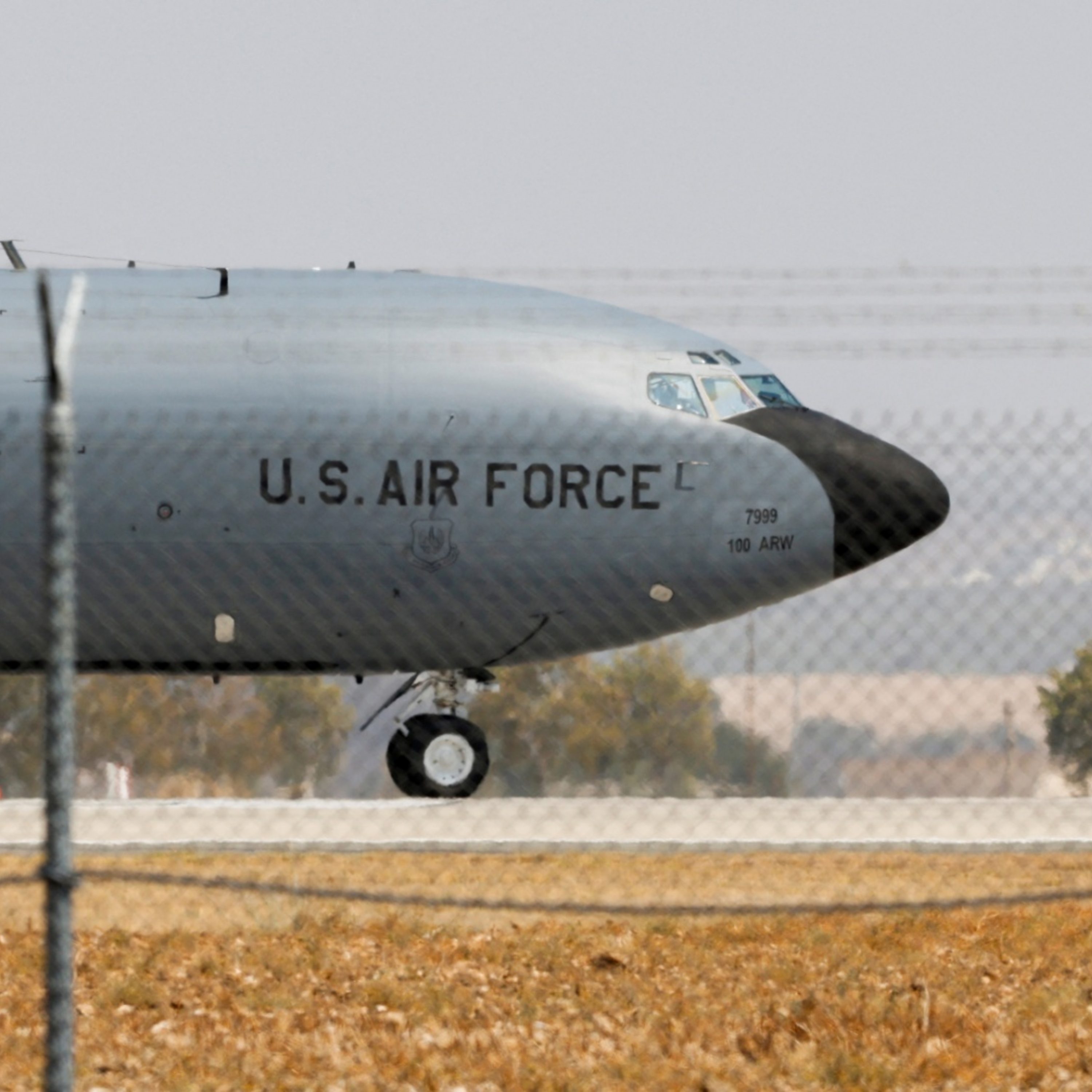
• US Military Aircraft Incident in Iraq: A significant portion details the crash of a US refueling aircraft in Iraq, with the US military stating no hostile fire was involved. This incident is framed as an “inevitable cost of conflict,” underscoring the inherent risks in military operations, even in peacetime.
• Israeli-Palestinian Conflict and Northern Evacuations: The podcast discusses escalating tensions in Lebanon, with Israel launching air strikes. It covers the forced evacuation of hundreds of thousands of people from southern Lebanon, highlighting the dire humanitarian situation and the challenges faced by civilians.
• US Sanctions Relief on Russian Oil: The US has announced a temporary sale of Russian oil to bolster global supply and stabilize energy prices. This move is analyzed as a potential concession, impacting global markets and potentially benefiting Russia economically amidst sanctions.
• Dubai’s Law on Filming Missile Attacks: The episode addresses the arrest of individuals in Dubai for filming missile attacks, citing a law against content that “disturbs public order.” This raises questions about freedom of expression versus national security concerns in the UAE.
• Noma Restaurant Scandal: Noma, a renowned Copenhagen restaurant, faces controversy following allegations of creating a toxic work environment by its head chef, René Redzepi. This highlights broader issues in the hospitality industry concerning labor practices and workplace culture.
💡 Key Insights & Memorable Moments
- The US military’s acknowledgment that “even the best military doesn’t operate without accidents” provides a stark reminder of the inherent dangers of conflict zones.
- The decision to allow the temporary sale of Russian oil, despite sanctions, signifies the complex economic pressures influencing international policy.
- The arrests in Dubai for filming missile attacks underscore the sensitive balance between public safety and the right to document events.
- The allegations against Noma’s head chef, René Redzepi, suggest a systemic problem within the high-end culinary world, extending beyond a single establishment.
- Architect Smiljan Radich’s approach to design, emphasizing “fragility” and “instability,” offers a unique perspective on how built environments can reflect deeper societal or personal conditions.
🎯 Way Forward
- Enhanced Geopolitical Monitoring: Continuously track developments in conflict zones like the Middle East and Ukraine to understand evolving regional dynamics and potential global spillover effects. This matters for anticipating market shifts and humanitarian crises.
- Diversified Energy Strategies: Nations should accelerate efforts towards energy independence and diversification to mitigate the impact of geopolitical events on oil prices and supply chains. This matters for economic stability and national security.
- Ethical Labor Practices in Hospitality: The Noma scandal necessitates a broader industry conversation about improving working conditions, fair wages, and addressing workplace abuse in the culinary sector. This matters for employee well-being and industry reputation.
- Re-evaluation of Free Expression vs. Security Laws: Governments should carefully review and potentially reform laws that restrict filming of public events, ensuring a balance between security concerns and the public’s right to information. This matters for transparency and democratic values.
- Architectural Empathy in Design: Architects should continue to explore how design can foster a sense of refuge and reflect the human condition, as exemplified by Smiljan Radich’s work, to create more meaningful and resilient spaces. This matters for improving the human experience within the built environment.