
🎯 Core Theme & Purpose
This episode examines the increasing internationalization of the Academy Awards and the global implications of geopolitical conflicts. It delves into the strategic role of drone warfare and the complex challenges of maintaining maritime security in volatile regions. The discussion is particularly relevant for those interested in international relations, military strategy, film criticism, and global current affairs.
Detailed Content Breakdown
• Internationalization of the Oscars: The Academy Awards, traditionally focused on American cinema, are increasingly recognizing international films. This shift reflects a broader trend of globalization in the film industry, moving beyond purely domestic narratives to embrace diverse global storytelling. This opens up opportunities for non-American films to gain international acclaim and recognition.
• Drone Warfare and Geopolitical Strategy: Iran’s use of low-cost drones in conflicts across the Middle East is reshaping modern warfare. These drones are being deployed against strategic targets like oil tankers and infrastructure, influencing the dynamics of regional power struggles. This highlights the evolving nature of conflict and the growing importance of unconventional military tactics.
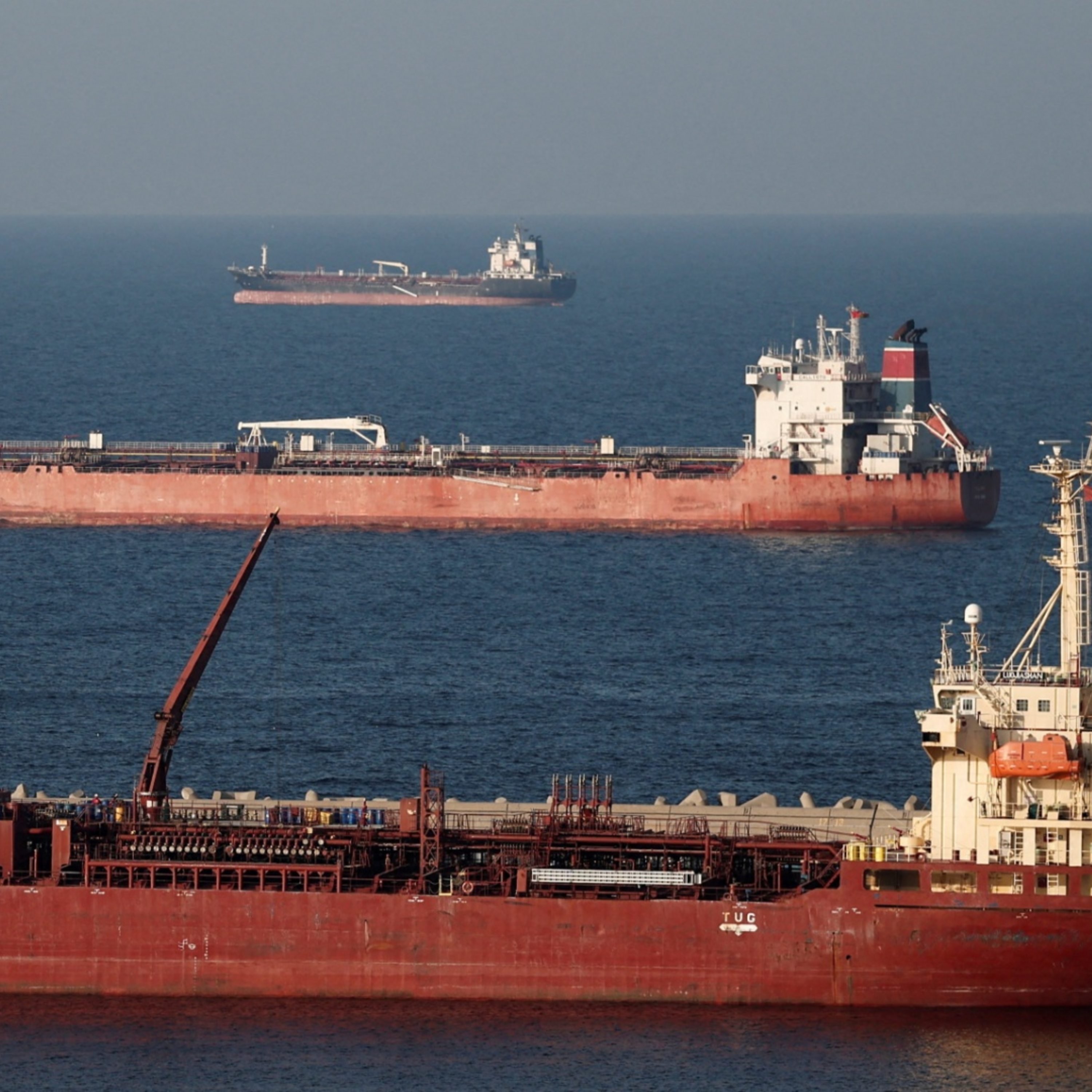
• Maritime Security in the Strait of Hormuz: The Strait of Hormuz, a critical chokepoint for global energy supplies, is a focal point of geopolitical tension. Iran’s actions there have led to significant disruptions in shipping, impacting oil and liquefied natural gas (LNG) traffic. The call for international naval support underscores the strategic importance of this waterway and the potential for wider conflict.
• The US Response and Diplomatic Appeals: President Trump’s call for international cooperation, including from China and Britain, to secure the Strait of Hormuz indicates a complex diplomatic strategy. While demanding adherence to international law, the US is also seeking allies to ensure freedom of navigation. This reflects a delicate balancing act between asserting dominance and building a coalition.
• Lebanon-Israel Conflict and Humanitarian Crisis: The ongoing conflict between Israel and Hezbollah in southern Lebanon has resulted in significant casualties and displacement. Israel reports substantial strikes against Hezbollah infrastructure, while Hezbollah claims direct clashes. The humanitarian crisis is escalating, with a substantial portion of the population displaced and a need for international aid.
• Internet Disruptions in Russia: Major Russian cities like Moscow and St. Petersburg are experiencing significant internet outages and disruptions. These issues impact essential services like banking and communication, forcing residents to rely on older technologies. While the Kremlin attributes these problems to “systemic safety measures,” the widespread nature suggests a more deliberate control or disruption.
💡 Key Insights & Memorable Moments
• The Oscars are no longer solely a celebration of American cinema, but a growing platform for international films, reflecting a globalized industry. • Iran’s deployment of drones is fundamentally altering the landscape of modern warfare, offering cost-effective and disruptive military capabilities. • President Trump’s appeals for international naval support in the Strait of Hormuz mark a significant shift from previous rhetoric, highlighting the escalating stakes. • The conflict in Lebanon has created a severe humanitarian crisis, with over 800,000 people displaced and a critical need for aid. • The internet outages in Russia are a stark reminder of state control over information and a potential tactic in geopolitical maneuvers.
🎯 Way Forward
- Diversify Film Narratives: Hollywood and international film industries should continue to foster a wider range of global stories, moving beyond traditional American-centric narratives to enrich cinematic diversity and reflect a global audience.
- Invest in Cybersecurity Diplomacy: As state-sponsored cyberattacks and internet disruptions become more prevalent, nations must prioritize robust cybersecurity defenses and engage in international dialogue to establish norms and prevent escalation.
- Strengthen Maritime Security Cooperation: International collaboration is crucial to ensure the safe passage of global energy supplies through critical chokepoints like the Strait of Hormuz, requiring coordinated naval efforts and de-escalation strategies.
- Prioritize Humanitarian Aid and Diplomacy: In regions experiencing conflict, such as Lebanon, immediate humanitarian assistance and sustained diplomatic efforts are essential to mitigate suffering and prevent wider regional instability.
- Support Independent Media and Information Access: Given the increasing control over online information in various countries, supporting independent journalism and ensuring unrestricted access to diverse information sources is vital for informed public discourse and democratic resilience.